
Last updated November 25, 2026
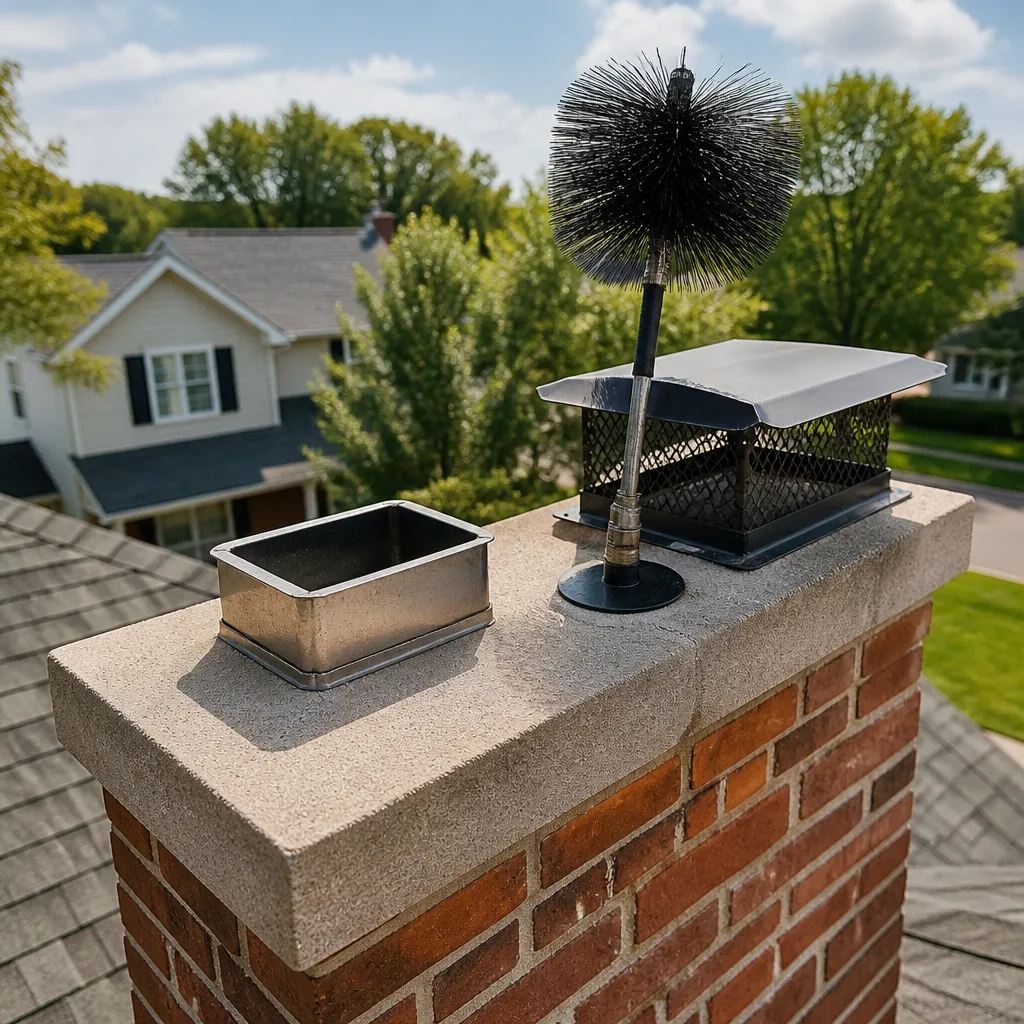 Sweep & inspection
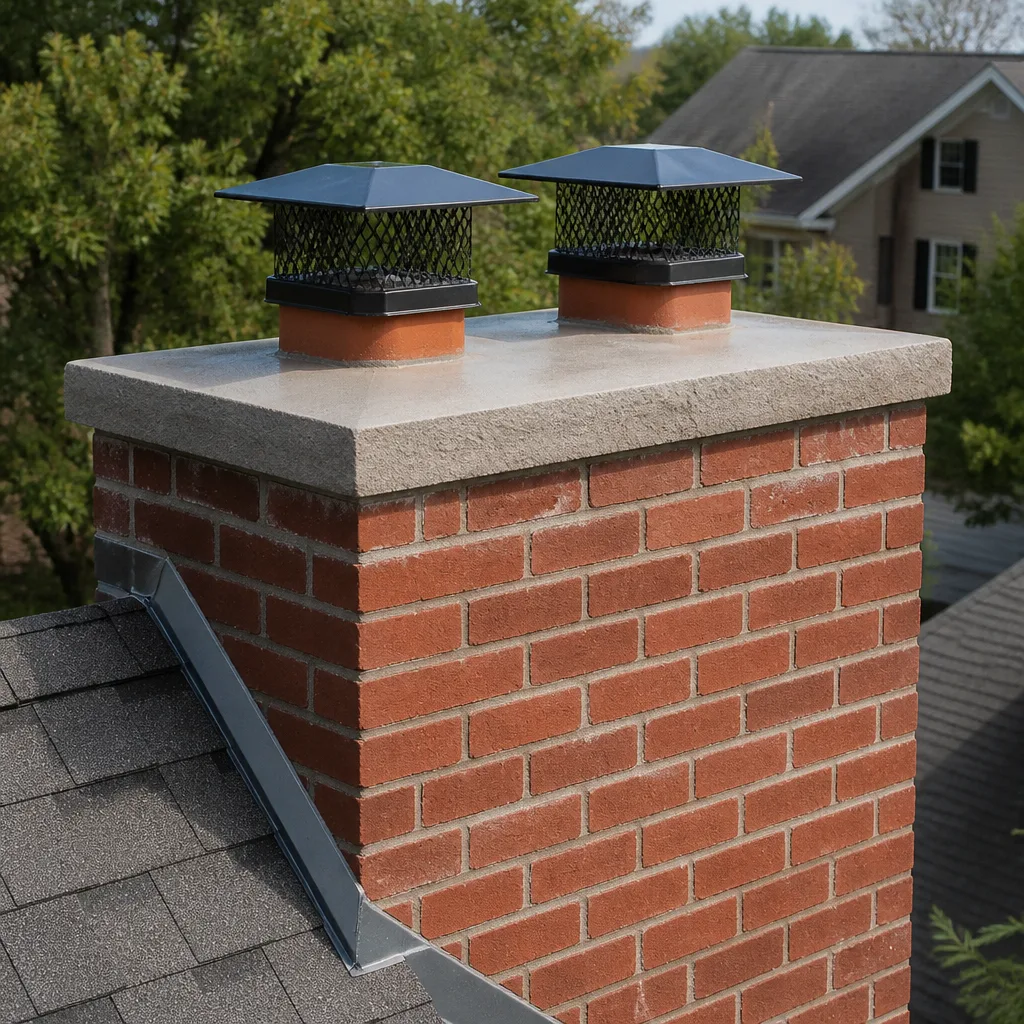 Caps & crowns
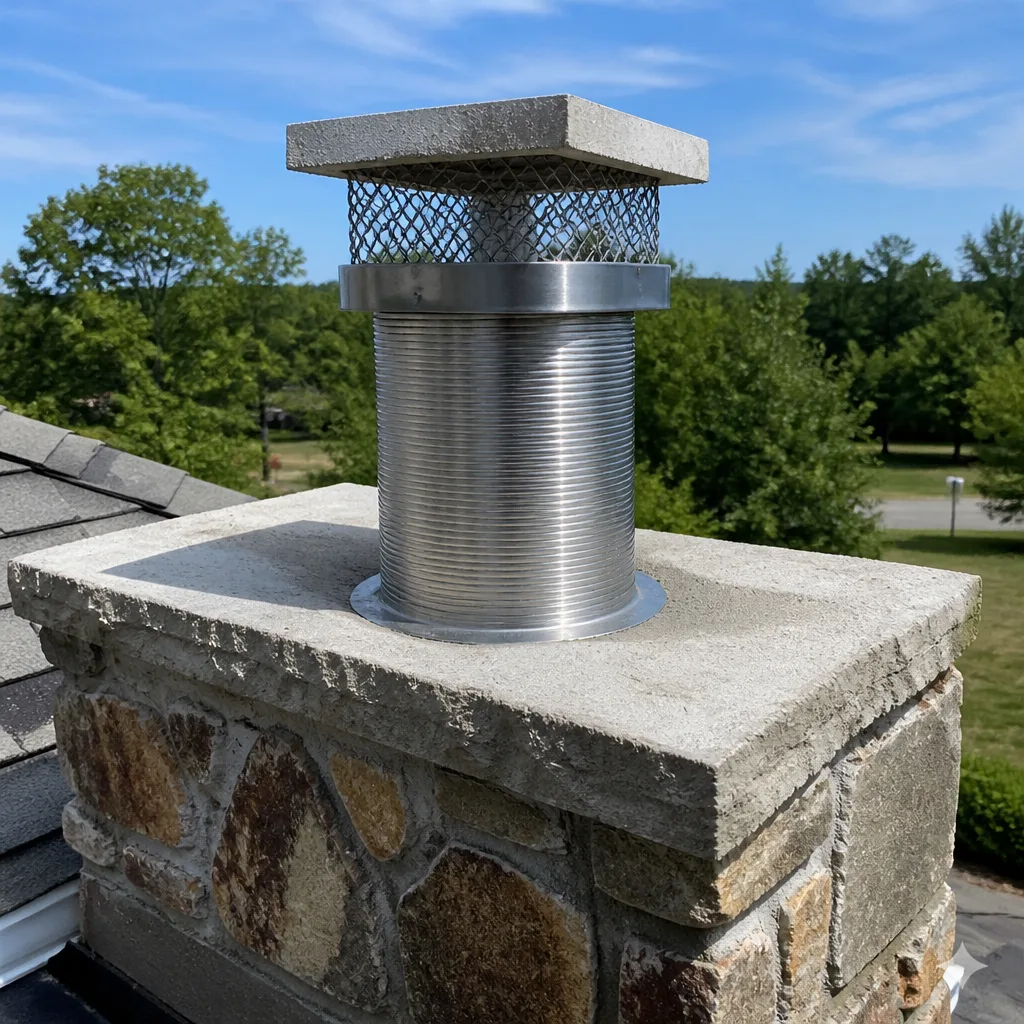 Flue relining
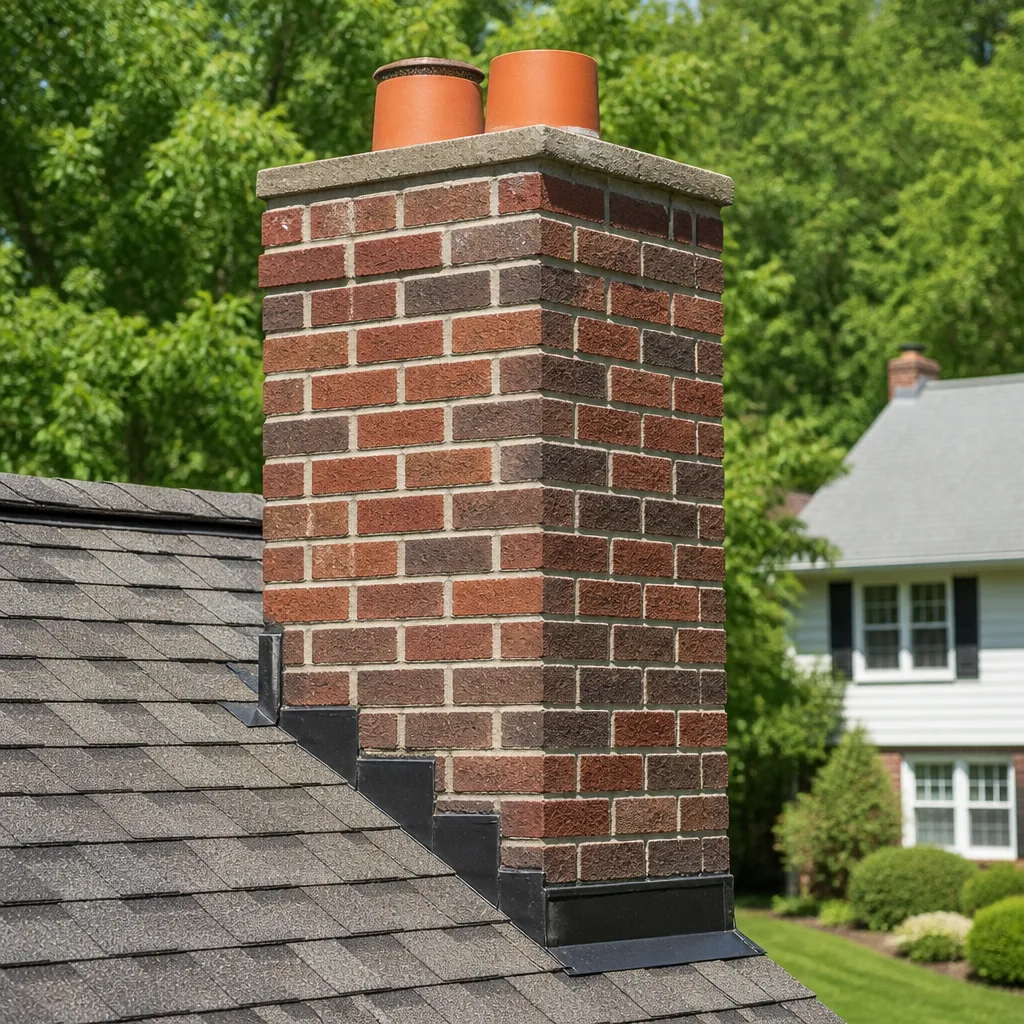 Masonry repair
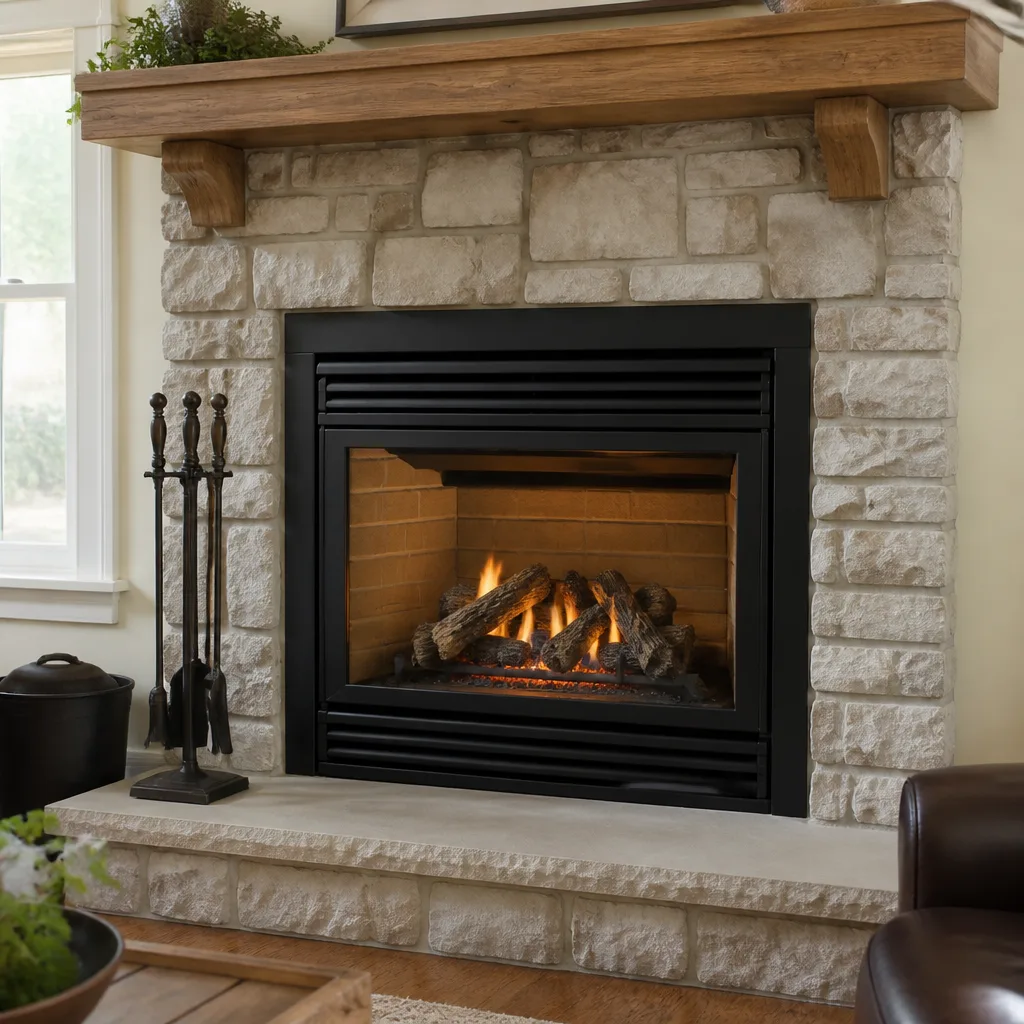 Gas fireplace service
Level 1 sweep and inspection to the NFPA 211 annual standard - flue, crown, cap, and flashing checked and photographed
Chimney sweep logs do not sweep chimneys. They loosen some creosote - which then falls where a brush and vacuum still have to collect it.
Chimney Sweep Troubleshooting in Sedgefield: Common Problems and How to Fix Them
A smoky living room isn’t always a dirty flue. Sometimes it’s a pressure problem your sweep can’t solve with a brush, and no amount of scrubbing will fix it. Here’s the part most homeowners miss: nearly every chimney complaint we hear in Sedgefield traces back to one of five root causes – draft failure, a blockage, creosote buildup, liner damage, or a failed cap and crown. Each one behaves differently, smells differently, and needs a completely different fix. Get the diagnosis wrong and you’ll pay for the wrong repair, then pay again when the real problem shows back up. This guide walks you through how to tell these five apart before you call anyone, which checks you can safely do yourself, and the point where patching stops making financial sense and replacement becomes the smarter path. Understanding what’s actually wrong is the first step toward a chimney that drafts cleanly and burns safely all season.
Quick Answer
Most chimney problems in Sedgefield break down into five root causes: poor draft (an airflow or pressure issue), a physical blockage (debris, nests, or a stuck damper), creosote buildup, a damaged flue liner, or a failed cap and crown letting water in. Diagnosis starts with noticing how the smoke behaves, what kind of smell you get, and what’s visible from outside. Once you match the symptom to the cause, the fix becomes obvious – and a good chimney sweep can fix the brush-able issues while flagging the structural ones that need a camera inspection.
Styles & brands we work with
- Sweep & inspection
- Caps & crowns
- Flue relining
- Masonry repair
- Gas fireplace service
Table of Contents
- Why Smoke Won’t Go Up: Diagnosing Draft Failure
- Blockages: What’s Actually Stuck in There
- Creosote Buildup and the Fire Risk It Creates
- Liner Damage and Why Sedgefield’s Humidity Accelerates It
- Cap and Crown Failures: The Water Intrusion Chain
- The Symptom-to-Cause Decision Tree
- What You Can Safely Check Yourself vs. What Needs a Camera
- When a Repair Stops Being a Repair
Why Smoke Won’t Go Up: Diagnosing Draft Failure
Draft failure is the sneakiest of the five problems because the chimney can be spotless inside and still smoke. A chimney needs a pressure difference to pull smoke up and out. When the air pressure in your house is lower than outside, or the chimney is too short for the flue’s size, or the house is tightly sealed, smoke can spill back into the room instead of rising. It’s an airflow problem, not a dirt problem.
Several things cause this. Modern homes built tight for efficiency trap air, and without a makeup air source the chimney competes with bathroom fans and kitchen exhaust for the air it needs. A flue that’s too large for the firebox lets smoke cool before it can rise. And in Sedgefield, where summers run humid and hot, the temperature difference between a cold flue and warm outside air at the start of a fire can stall the draft until the chimney warms up.
Signs you’re dealing with draft failure
- Smoke rolls out when you first light a fire, then improves as the chimney warms.
- The fire smokes worse on windy days or when another exhaust fan is running.
- You smell smoke in the room but the flue looks clean.
- The draft is weak even after a fresh sweep.
How a sweep troubleshoots it
- Check whether the flue size matches the firebox opening.
- Test draft with a smoke test to see how much pull the chimney actually has.
- Look for a missing or damaged cap that’s restricting airflow, or a flue that’s too short for the house.
- Recommend a makeup air solution or a properly sized flue if the chimney itself checks out clean.
Draft problems are why a routine chimney sweep alone won’t always stop the smoke. If the sweep comes back empty and the room still smokes, the answer usually lies in airflow and flue sizing, not more brushing.
Blockages: What’s Actually Stuck in There
A blocked chimney can’t draft, period. Blockages come in two forms: things that got in, and things that grew or fell. Birds, squirrels, and raccoons nest in open flues, especially in spring and fall. Leaves and twigs pile up at the smoke shelf. A cracked flue tile or a chunk of fallen masonry can settle in the flue and choke the path. Nesting debris is the one we find most often when a homeowner calls saying the chimney was fine last spring and now won’t draw.
Symptoms that point to a blockage
- Almost no draft at all, right from the moment you light the fire.
- Smoke backing down into the room consistently, not just at startup.
- Scratching or flapping sounds from the flue.
- A sudden drop in performance after months of working fine.
How blockages get cleared
A sweep runs a proper chimney brush and rods down the flue, then vacuums the debris with a high-powered HEPA setup so nothing coats your living room. Nests get removed entirely, not just pushed aside. If the sweep can’t see down past a bend or obstruction, a camera inspection follows to make sure the flue is clear end to end. A quality chimney cap & crown installation is what keeps animals and debris out in the first place, which is why we treat a solid cap as the best preventive move against repeat blockages.
Here in Sedgefield, with mature trees close to many homes, wildlife intrusion is common. If you’ve had a nest twice, the cap is the fix, not repeated clearing.
Creosote Buildup and the Fire Risk It Creates
Creosote is the dark, tarry residue left behind when wood burns incompletely. It comes in three forms, and each one gets progressively harder to remove: a light powdery soot that brushes off easily, a crunchier flaky layer that needs more work, and a glazed, hardened shell that bonds to the flue like glass. That third stage matters because glazed creosote is highly combustible, and a hot fire can ignite it. That’s the root of most chimney fires.
Creosote builds faster when you burn green or unseasoned wood, when the fire runs cool and smolders, or when the flue is oversized for the fire. Cool smoke deposits more residue on the flue walls, so a poorly sized chimney can build creosote quicker than a properly matched one. Our technicians have up to 9 years of experience reading creosote stage and deciding what can be swept versus what needs chemical treatment.
What creosote symptoms look like
- A strong, acrid smell from the fireplace, especially in summer heat.
- Flakes or crusty residue visible inside the firebox or at the damper.
- A lazy fire that smolders more than it burns.
- Shiny black glazing on the inside of the flue, seen on camera.
Why summer is the telling season in Sedgefield
Sedgefield’s humid heat brings out the creosote smell around July and August, when the moisture in the air reacts with the resin in the residue. That smell is a strong early warning that the flue needs attention before the heating season starts. The chimney fire risk is the reason not to wait. If you’re getting that summer smell, it’s time to book your chimney sweep in Sedgefield before fall.
Liner Damage and Why Sedgefield’s Humidity Accelerates It
The flue liner is the protective barrier between the hot gases and the surrounding masonry. When it fails, heat and moisture reach the bricks, and the damage compounds. Most liners in older homes are clay tile, which tolerates heat well but doesn’t handle moisture cycling. In Sedgefield’s humid climate, that tradeoff matters far more than it does in arid parts of the country.
Here’s the mechanism: warm, moist air condenses inside a cool flue during the off season. Over years, that condensation seeps into the clay and the mortar joints that hold the tiles together. Then a cold winter snap freezes the wet clay, water expands, and the tile surface spalls – flakes and cracks off. The cracks open pathways for moisture and heat to reach the masonry and adjacent combustibles. Homeowners in Phoenix or Albuquerque rarely see this kind of stress. In Sedgefield, the humidity-then-freeze cycle that plays out across a typical year is exactly the condition that turns minor cracks into structural damage.
Signs of a failing liner
- Cracked, chipped, or spalling tile visible in an inspection photo.
- Mortar joints that crumble or gaps in the tile courses.
- Water stains or moisture on the chimney exterior or interior walls.
- Smoke or haze seeping through the flue walls into other parts of the chimney.
Two repair options worth knowing
- Resurfacing with HeatShield. The HeatShield ceramic resurfacing system can rebuild the inside surface of a damaged clay tile flue without tearing out the original liner. It’s a good fit when the tiles are cracked or spalling but the structure is still sound.
- Relining with DuraFlex. For liners that are too far gone for resurfacing, a DuraFlex flexible stainless-steel liner system installs a new continuous flue that’s built for long-term service, not a temporary patch. This is what we reach for when replacement is the correct call.
Choosing between them starts with a camera inspection, and the difference in cost is worth understanding before you decide. Surface restoration is often the more affordable path when it’s viable, and a stainless reline is the right answer when it isn’t. Anything else is guesswork.
Cap and Crown Failures: The Water Intrusion Chain
Water is the single biggest cause of chimney deterioration, and two components do the most to keep it out: the cap at the top and the crown at the very top of the masonry. When either fails, water starts a chain of damage that reaches everything below. The cap keeps rain, debris, and animals out of the flue. The crown is the sloped concrete surface at the chimney’s peak that sheds water away from the masonry. A cracked crown lets water wick into the bricks and mortar, which then freeze, expand, and spall.
That chain reaction is common in Sedgefield because of the same moisture cycling we described for liners. Once the cap rusts, cracks, or goes missing, water flows straight down the flue. Once the crown cracks, water saturates the top courses of brick. Either problem left alone for a few seasons can turn into real structural masonry damage. The reason we treat a chimney cap and crown installation as its own specialty rather than an afterthought is that catching these early is dramatically cheaper than repairing the structure they protect.
How to spot cap and crown problems
- A missing, rusted, or loose cap on the roof.
- Cracks or gaps along the crown at the chimney top, visible from the ground with binoculars.
- Water stains on the ceiling or walls near the chimney during heavy rain.
- Crumbling mortar or spalling brick at the chimney’s top courses.
If you’re seeing any of these, a chimney cap & crown inspection is a low-cost way to stop the water damage before it reaches the flue. We stock and work with Famco and Copperfield caps so the replacement fits the chimney correctly and does the job for the long haul.
The Symptom-to-Cause Decision Tree
This is the practical part. Use this tree to match what you’re seeing and smelling to the likely culprit before you call anyone. It won’t replace a camera inspection, but it’ll point you in the right direction and prepare you for a useful conversation.
Step 1: What kind of smell?
- Acrid, sharp, smoky-chemically smell: likely creosote buildup.
- Musty, damp, earthy smell: moisture, often a failed cap, crown, or liner.
- Dead animal or ammonia odor: a blockage, likely nesting wildlife.
Step 2: How does the smoke behave?
- Smoke backs up only at startup, then clears: draft failure.
- Smoke backs up constantly, regardless of fire size: blockage.
- Smoke drifts out on windy days: draft or cap problem.
- Smoke seeps through other chimney parts or wall cracks: liner damage.
Step 3: What are the visual cues?
- Water stains near the chimney, or a visibly cracked crown: cap/crown failure.
- Flaking tile or crumbly mortar inside the flue: liner damage.
- Glazed or crusty buildup inside the firebox: creosote.
- Debris or twigs at the smoke shelf: blockage.
Match the symptom to the cause and you’ll know whether you’re looking at a sweep, a liner repair, a cap-and-crown job, or a draft correction. That’s the point of diagnosing first.
What You Can Safely Check Yourself vs. What Needs a Camera
Some troubleshooting is safe and sensible for a homeowner to do. Some requires a trained technician with professional tools and a camera. Knowing the difference keeps you safe and saves wasted effort. Here’s the split we share with Sedgefield homeowners who want to know what they’re dealing with before calling.
Safe to check yourself
- The damper. Open it, close it, and make sure it moves freely. A damper stuck partway closed will cause draft failure all by itself.
- Visible debris at the cap. From the ground with binoculars, or from a stable ladder, look for a clogged or missing cap. Clear what’s reachable only if it’s safe and at low height.
- The firebox and smoke shelf. Look inside for visible flakes, cracks, or debris at the smoke shelf, without reaching into the flue.
- The chimney exterior. Walk the ground and look at the crown, the cap, and the roof line for obvious cracks, missing pieces, or crumbling mortar.
Needs a trained sweep and a camera
- Everything inside the flue. The flue has bends, obstructions, and hard-to-reach areas that a camera sees clearly and a flashlight doesn’t. Knowing the creosote level and the condition of every tile matters, and guessing isn’t a substitute.
- Any structural assessment. Cracks in the liner, gaps in the mortar joints, and the true condition of the crown all need a camera inspection to evaluate honestly.
- Anything on the roof. Working on the roof or reaching into a flue is a job for someone with proper equipment and training. We’ll do it safely so you don’t take on the risk.
- Anything involving a suspected gas or electrical connection to the fireplace. Get a qualified professional, and leave that to the trade that specializes in it.
Our chimney inspection is the structured step that gives you the full picture. We use a camera to document what’s inside the flue, and we show you the photos so you can see the condition for yourself. That matters when the diagnosis leads to a repair recommendation, because you shouldn’t have to take anyone’s word for it. The visit also gives you a baseline for future comparisons, so a small crack next year is obvious to spot instead of a surprise.
When a Repair Stops Being a Repair
Here’s the threshold that matters most: when patching costs more long-term than relining or rebuilding, the repair has stopped being a repair. A single cracked flue tile with otherwise sound mortar is often a candidate for resurfacing with HeatShield, which restores the inside face of the flue without a full tear-out. That’s a genuine repair, and it’s worth doing. But when multiple courses of tiles are cracked, the mortar joints have failed, or water has already reached the masonry, patching becomes a series of small jobs that each delay the real fix. The money spent on repeated patches compounds well past the cost of a proper reline.
The math is straightforward once you have the evidence. HeatShield resurfacing is the more affordable path when the liner structure is intact. A DuraFlex stainless-steel liner is the correct call when the surface is too far gone for resurfacing to hold, because it gives the flue a new continuous surface built to last, not a temporary patch. On the masonry side, the same logic applies to the crown and upper brickwork: if the crown is cracked through and the brick is spalling, patching the crown alone won’t stop the water. Rebuilding the top few courses and casting a new crown restores the shedding capability the chimney needs. We use Famco and Copperfield caps and HeatShield and DuraFlex liner systems because they’re the materials certified chimney specialists across the country rely on, and their performance is predictable.
A full chimney repair becomes the better value when the diagnosis shows damage in several places at once. That’s why we handle the diagnosis and every stage of the work with one company. There’s no handoff between a sweep and a separate mason, no gap where one crew blames the other, and no second visit needed. You get one assessment, one plan, and one crew from start to finish.
Common Mistakes to Avoid
- Assuming a smoky fire means the chimney is dirty. Draft and airflow problems can mimic a dirty flue, so light a fire after a clean sweep and see if the smoke persists. If it does, you’re dealing with a different cause.
- Burning unseasoned “green” wood to save money. Wet wood creates cooler smoke that deposits creosote faster. In Sedgefield’s humid climate, wood stored poorly takes on moisture that changes how it burns, so split and store it carefully.
- Patching a cracked crown without fixing the source of the water. A cracked crown lets water in, and patching the crack without restoring proper slope can trap moisture and cause more spalling.
- Skipping the cap because it “looked fine.” Caps rust and loosen over time. A quick look from the ground with binoculars catches small problems before they become water damage.
- Trusting a low-bid sweep who doesn’t photograph the flue. If they can’t show you what they found inside, you have no way to judge the diagnosis. You shouldn’t have to rely on a stranger’s word for whether your flue is safe.
- Ignoring that summer creosote smell. When the humid heat of a Sedgefield summer brings out an acrid smell, that’s the season to schedule a sweep, before the smell fades and the problem gets forgotten.
- Repairing animal entry without a permanent cap. Removing a nest solves the current problem but not the cause. A proper cap stops the next one.
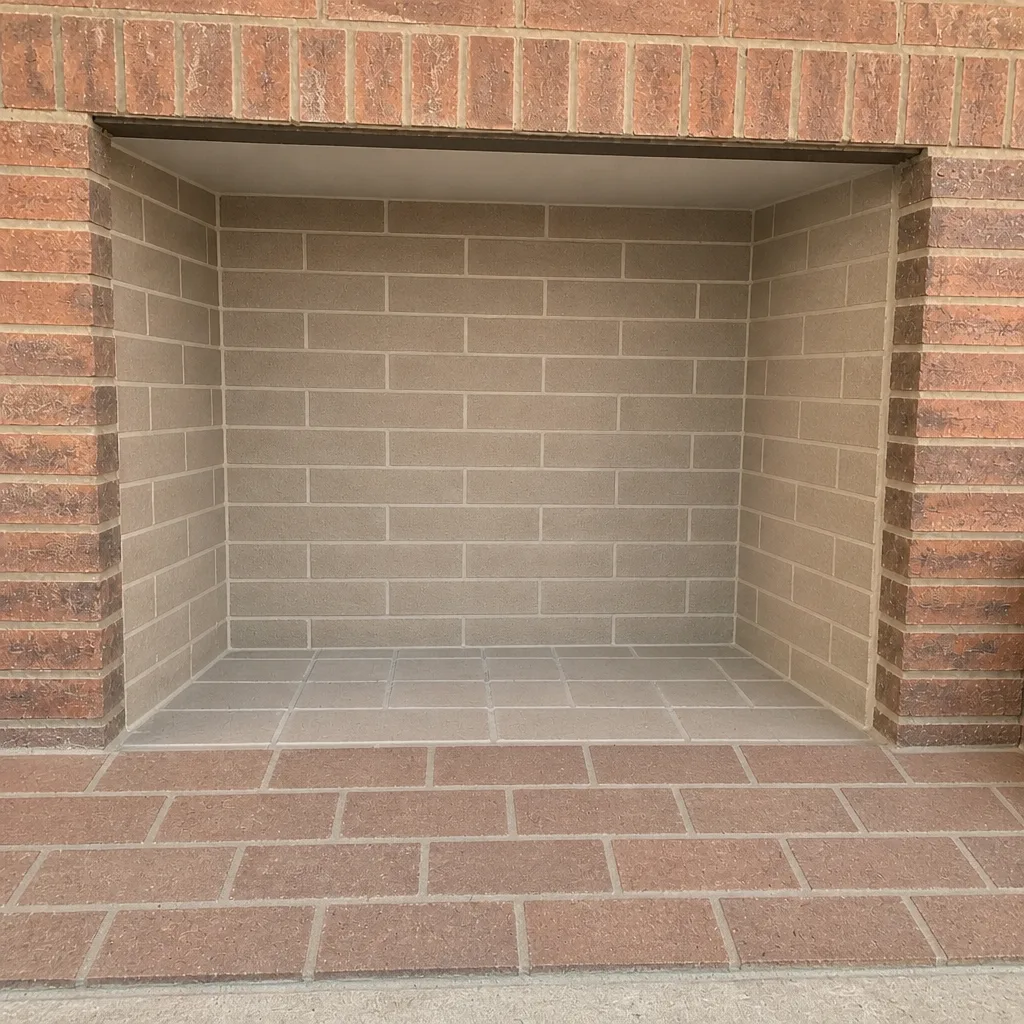
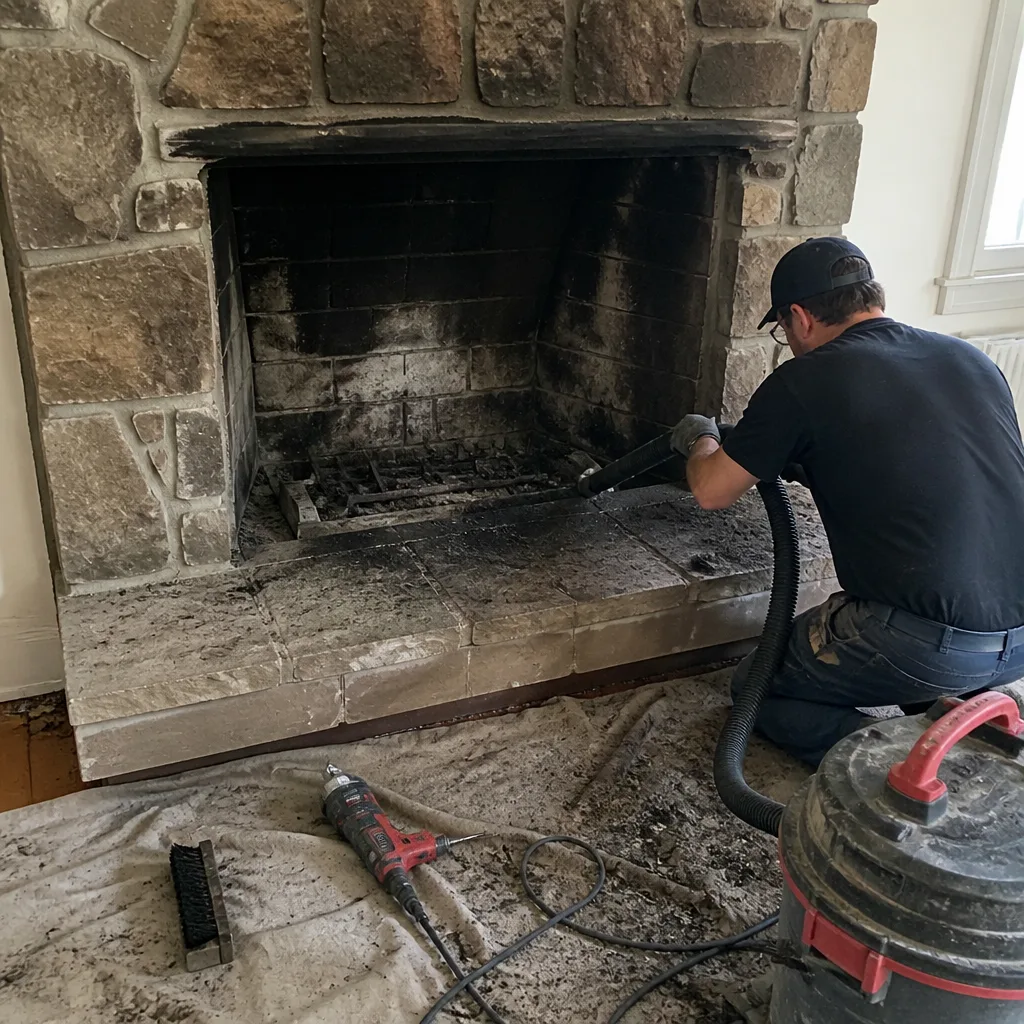
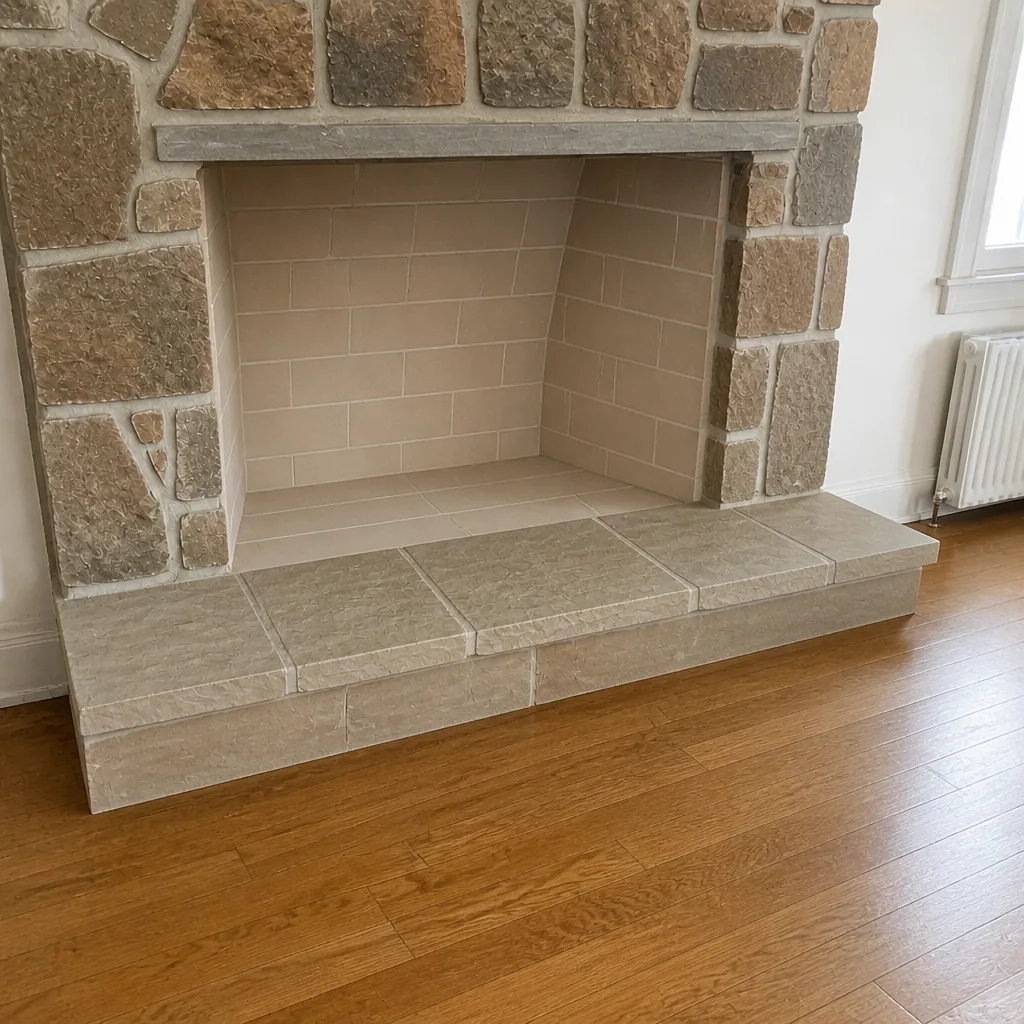
See the difference
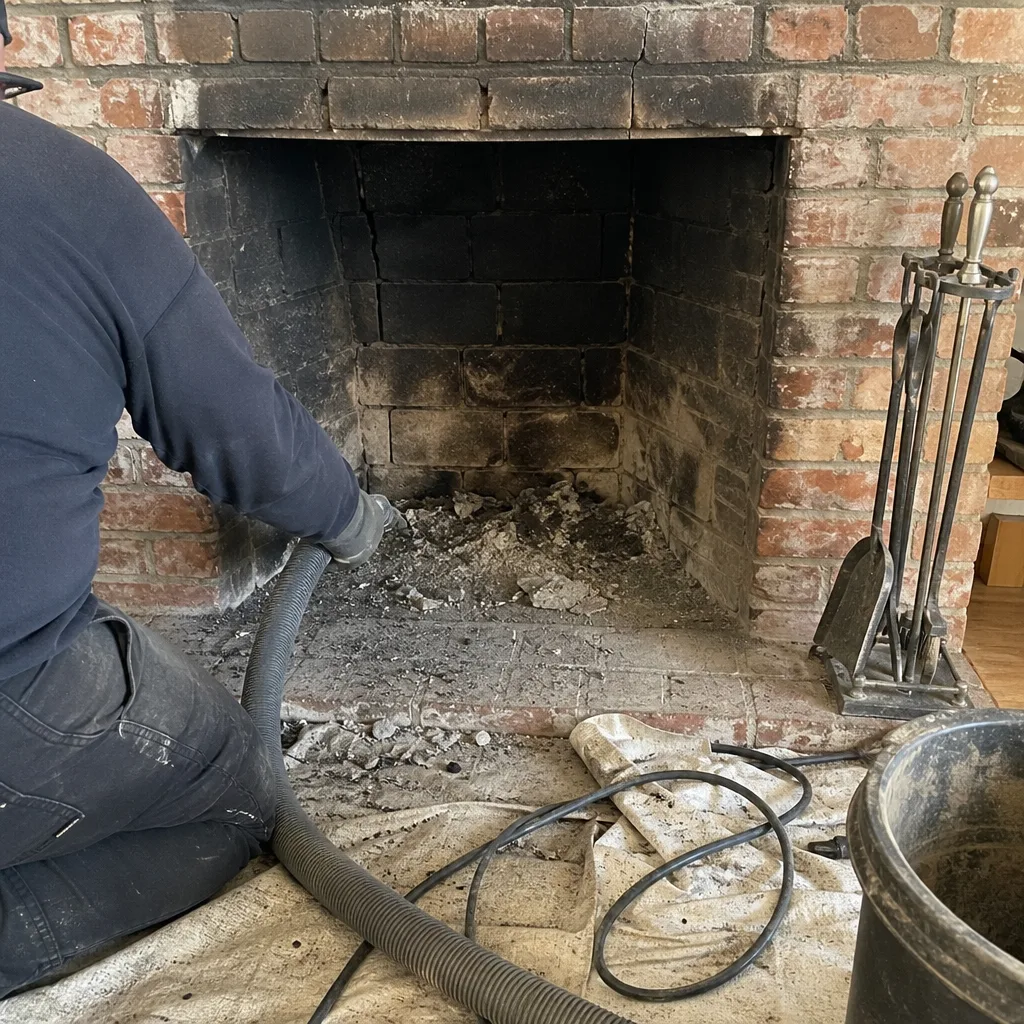 Before
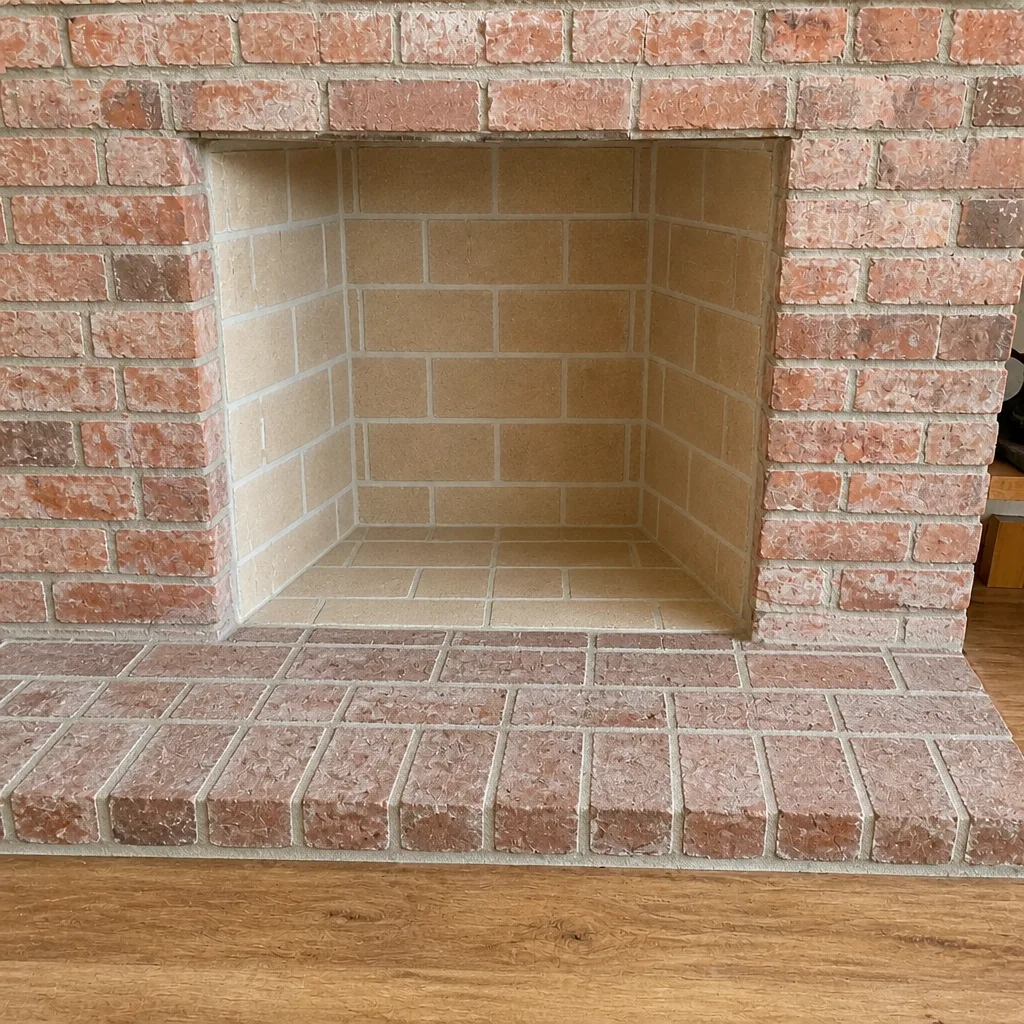 After
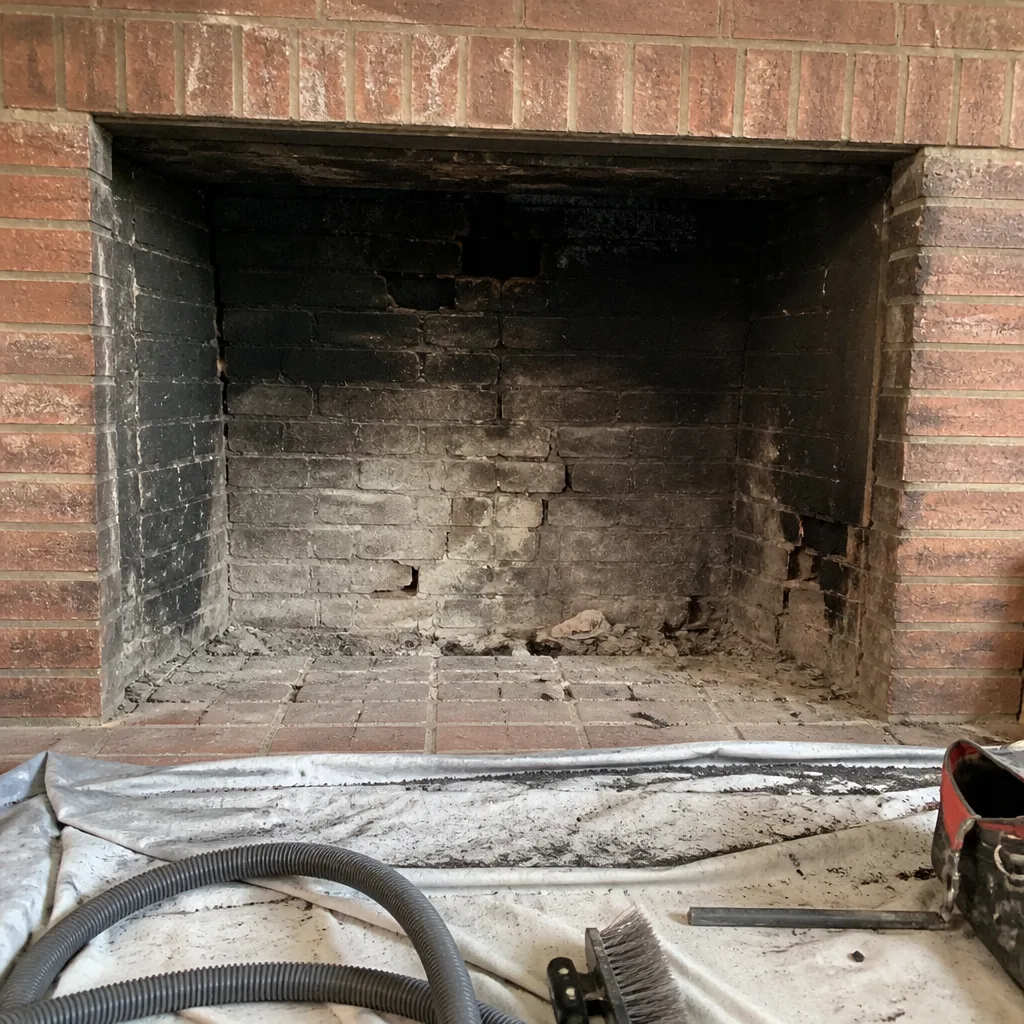 Before
 After
 Before
 After
When to Call a Professional
Call a professional when smoke backs up into the room, when a summer creosote smell shows up, when you see water stains or a crusted flaky residue, or when the fireplace just hasn’t performed right after a season off. Call when a cap is missing or a crown is cracked, or when a bird or raccoon has moved in. Call if you notice dizziness, headaches, or flu-like symptoms when the fireplace is running, since carbon monoxide risk is real and worth a check. Don’t try to solve these with a flashlight and hope. A trained sweep with a camera can diagnose all five problems accurately in a single visit. Chimney Sweep Sedgefield offers free estimates in Sedgefield – call (855) 726-7779. We answer 24/7. Fast dispatch from 7am to 7pm, Sunday through Friday.
Frequently Asked Questions
Most homes need a sweep once a year if the fireplace is used regularly, and a check at the start of the heating season is the practical norm. Sedgefield’s humid climate makes the summer creosote smell a good trigger to schedule one. Call (855) 726-7779 for an exact quote – estimates are free.
Summer smells in Sedgefield usually point to creosote residue reacting with the humid air, or to moisture getting into a failed cap or crown. Both are worth a look before the heating season. Call (855) 726-7779 to book a sweep and inspection – estimates are free.
A liner is only needed when a camera inspection shows cracks, spalling, or failed joints that resurfacing can’t fix, and you should see the photos before agreeing to anything. Many damaged liners can be resurfaced with HeatShield instead of fully replaced. Call (855) 726-7779 for an inspection where you see the evidence – estimates are free.
Creosote keeps building, and the risk of a chimney fire rises with it, while a failing cap or crown lets water in and starts masonry damage below. None of these show up as an overnight emergency, but they compound quietly. Call (855) 726-7779 to get an honest assessment before the next season – estimates are free.
You can safely check the damper, look for visible debris at the cap and smoke shelf, and check the exterior for cracks, but the flue interior needs a trained sweep with a camera. DIY flue work risks injury and leaves the diagnostic questions unanswered. Call (855) 726-7779 if you’d rather have it done right – estimates are free.
Yes, a properly installed cap is the single best defense against animals nesting in the flue and rain getting inside, and it’s why we treat caps as a separate specialty. We stock Famco and Copperfield caps for proper fit. Call (855) 726-7779 to talk through a cap and crown plan – estimates are free.
The Bottom Line
Most chimney problems in Sedgefield come down to five root causes – draft failure, blockage, creosote buildup, liner damage, or a failed cap and crown – and each one produces different symptoms and needs a different fix. Diagnose before you dial. Check the damper, look at the cap and crown from the ground, smell for creosote, and note how the smoke behaves. Where the diagnosis needs a camera, get one, and insist on seeing the photos. The humid climate here accelerates liner and crown failure through moisture cycling, so the off season is the right time to act. When a patch stops making financial sense, resurfacing or relining is the honest answer, not another round of Band-Aids. A fireplace repair or liner job done right once costs less than doing it three times.
Ready to get your chimney diagnosed properly? Chimney Sweep Sedgefield offers free estimates in Sedgefield – call (855) 726-7779. We answer 24/7. Fast dispatch from 7am to 7pm, Sunday through Friday. We’ll inspect with a camera, show you what we find, and tell you plainly what can safely wait.
Written by the team at Chimney Sweep Sedgefield.