
Last updated November 25, 2026
 Sweep & inspection
 Caps & crowns
 Flue relining
 Masonry repair
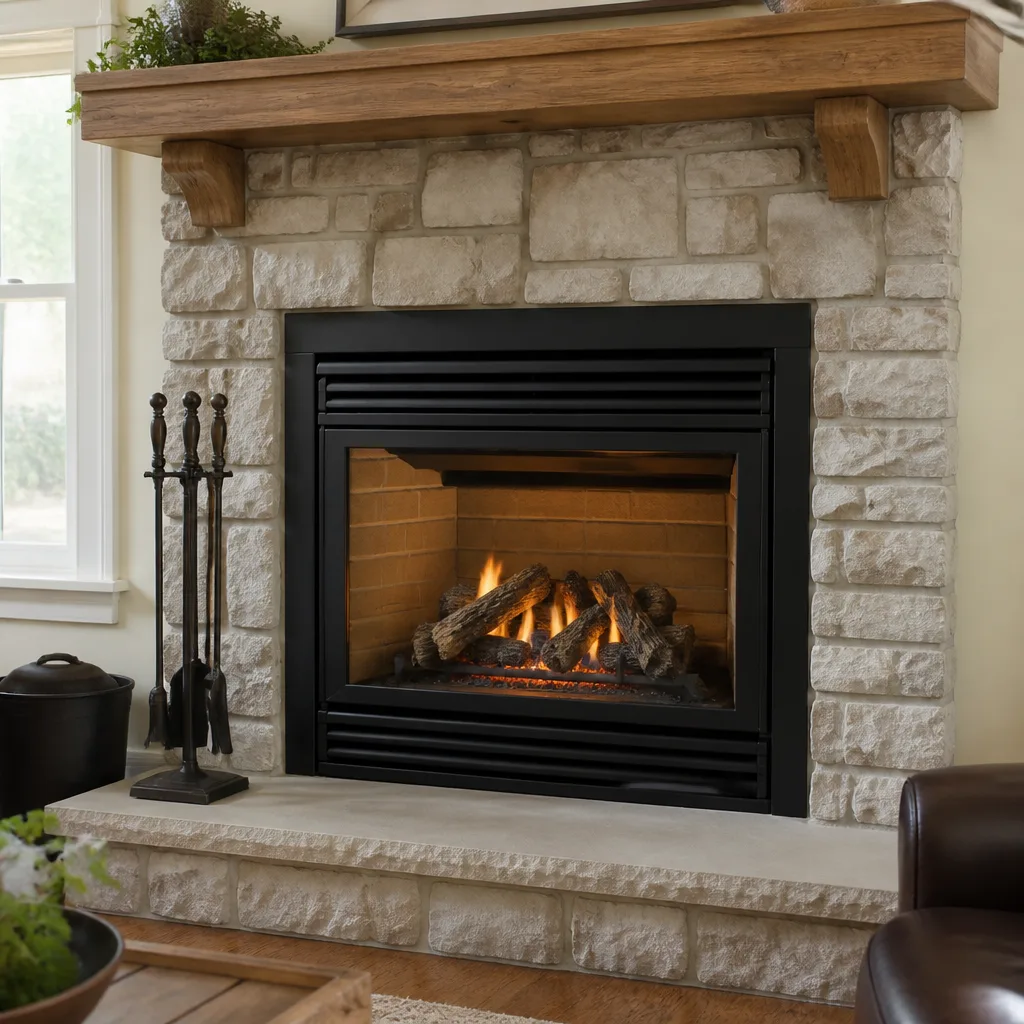 Gas fireplace service
Level 1 sweep and inspection to the NFPA 211 annual standard - flue, crown, cap, and flashing checked and photographed
Chimney sweep logs do not sweep chimneys. They loosen some creosote - which then falls where a brush and vacuum still have to collect it.
Chimney Sweep Maintenance Schedule: What to Do and When
NFPA 211 says inspect annually. It doesn’t say that’s enough, and for a wood-burning fireplace used three nights a week all winter, it probably isn’t. The trouble is that most maintenance advice is written for a generic chimney that doesn’t exist. A gas insert, a wood stove, a decorative fireplace you light twice a year, and a hard-working open hearth in a Sedgefield home all have different rhythms. Fewer than half the homes we visit are on the right one. This guide lays out separate tracks by fuel type and usage, maps the tasks to the seasons that matter here, and gives you a plain between-visit checklist. You’ll finish knowing exactly where your chimney sits.
Quick Answer
Most chimneys need a professional inspection once a year and a sweep whenever creosote reaches roughly 1/8 inch or you’ve burned about a cord of wood since the last cleaning. Wood-burning fireplaces in heavy use often need sweeping every 6 to 12 months, gas inserts need annual inspection with far less sweeping, and decorative fireplaces still need an annual look even if you rarely light them. The annual inspection is the floor. Usage decides how far above it you go.
Styles & brands we work with
- Sweep & inspection
- Caps & crowns
- Flue relining
- Masonry repair
- Gas fireplace service
Table of Contents
- Why One Schedule Doesn’t Fit Every Chimney
- Track One: Wood-Burning Fireplaces
- Track Two: Gas Inserts and Gas Logs
- Track Three: Wood Stoves
- Track Four: Decorative-Only Fireplaces
- The Sedgefield Seasonal Calendar
- Structural Checks That Belong on the Calendar
- Your Between-Visit Checklist
Why One Schedule Doesn’t Fit Every Chimney
Advice that says “sweep once a year” treats every chimney as if it burns the same fuel at the same rate. It doesn’t. Creosote forms when wood smoke cools against the flue before it exits. The more you burn, the cooler the flue runs on average, and the faster deposits build. A homeowner who lights a fire a few times a month produces a fraction of the creosote of someone who runs the hearth every cold night from November through February. Same house, same fireplace, very different maintenance needs.
Fuel type changes the picture further. Gas burns far cleaner than wood, so a gas insert rarely needs sweeping at all, but it still needs an annual inspection, because the things that go wrong with gas are the things you can’t see from the hearth: venting problems, blocked flues, and carbon monoxide risk if the exhaust path is compromised. Wood stoves run hotter and longer per fire than an open fireplace, which can actually keep the flue cleaner per cord burned, but they also run for hours at a stretch and put more demand on the flue and the connections. Decorative fireplaces, used a handful of times a year, build creosote slowly but are also the ones most likely to be ignored for years, and neglect is its own problem.
Then there’s the liner. Older Sedgefield homes on the original clay tile flues wear differently than newer builds with stainless systems. A clay flue that’s spalling or cracked can let creosote and heat reach the structure behind it, which turns a routine sweep into a repair conversation. That’s why an inspection that actually looks at the liner matters so much. The Chimney Sweep Sedgefield approach starts with a real inspection, then builds your calendar around what your chimney actually is, not what a generic chart says it should be.
The short version: fuel type sets the baseline, usage rate sets the interval, and liner age sets how carefully you watch the structure. Your schedule should account for all three.
Track One: Wood-Burning Fireplaces
This is the chimney most Sedgefield homeowners picture when they think about sweeping, and the one that needs the most attention. An open wood-burning fireplace draft is generous, but the byproducts are the problem: creosote in three forms (sooty, flaky, and the hard, glazed, tar-like kind), plus ash and soot that accumulate on the smoke shelf and damper. Glazed creosote is the dangerous one because it’s stubborn, highly flammable, and doesn’t come off with a standard brush pass.
Here’s how we’d put a wood-burning fireplace on a calendar:
- Annual inspection, once a year, ideally before the season. This looks at the firebox, the damper, the smoke chamber, the flue, the cap, and the crown. It’s the non-negotiable item.
- Sweep when the flue reaches roughly 1/8 inch of creosote, or at the usage point below if that comes first.
- Heavy-use sweep. If you burn three or more fires a week through the winter, plan on a sweep every 6 to 12 months. Some heavy burners need it twice a season.
- Moderate-use sweep. A few fires a month usually lands on an annual sweep alongside the inspection.
- Post-season look after the last fire, mainly to catch chimney cap and crown damage from winter weather before it becomes a leak.
Usage beats calendar months every time. A homeowner who burns four cords a season needs more frequent sweeps than someone who burns one, even if they both light their first fire in October. Cords burned is the honest measurement. If you’re not sure how much you’ve burned, the technician’s inspection will tell you where you stand.
One word on the sweep itself: for light soot, a standard rotary brush does the job. For glazed creosote, mechanical brushing alone can’t remove it, and a chemical treatment or a different approach is needed. Ask what’s being done and why.
Track Two: Gas Inserts and Gas Logs
Gas inserts and gas log sets are cleaner to run but not maintenance-free. The combustion is efficient, so creosote isn’t the concern the way it is with wood. The concerns are different: dust and debris in the firebox, blocked or failing venting, the pilot and ignition system, and, most importantly, the venting path. A gas appliance with a compromised flue can send exhaust where it shouldn’t go. Carbon monoxide doesn’t announce itself, which is why the annual inspection matters even when nothing about how the fireplace looks has changed.
The gas calendar is leaner:
- Annual inspection, covering the firebox, the venting, the connections, and the exhaust path. This is the core task.
- Annual cleaning of the firebox and glass, plus a check of the logs for soot buildup or blocked burner ports.
- Venting check every year. This is the one you can’t skip, because venting problems don’t produce obvious symptoms until they’re serious.
- Sweep rarely, if ever, because there’s no creosote to speak of. If you’re being sold an annual sweep on a gas insert that hasn’t burned wood, ask why.
In Sedgefield, a lot of gas inserts sit in older chimneys that were originally built for wood. That’s a useful setup, and it means the flue and liner still need the same structural check a wood chimney gets. The insert may be modern; the flue behind it is whatever it is. An inspection that only looks at the insert and not the flue has missed half the job.
If a gas appliance ever smells off, produces unusual flame color, or sets off a carbon monoxide alarm, stop using it and call. That’s not a maintenance item; that’s a safety response.
Track Three: Wood Stoves
Wood stoves ask more of the chimney per fire than an open fireplace, and they tend to run for longer stretches, which changes the maintenance math. A stove running efficiently burns hot enough that the flue stays warmer, but a stove run choked down (which many people do to stretch a fire overnight) produces cooler smoke and more creosote. The single biggest variable in a wood stove’s creosote buildup is how it’s operated, not just how much it’s used.
A wood stove schedule looks like this:
- Annual inspection of the stove body, the flue collar connection, the flue itself, and the cap.
- Sweep every 6 to 12 months in normal use, more often if you burn continuously through the winter.
- Gasket and door check annually. A failing door gasket lets the stove run cool, which means more creosote and less heat.
- Flue connection check. Stoves connect to the flue through a length of pipe that can loosen, develop pinholes, or fail at the seams over time. This gets looked at every year.
- Post-season sweep is often a good move on a stove, so it’s clean and ready for the fall rather than carrying a season’s deposits through the summer.
For stoves connected to a stainless liner, the liner condition is part of the inspection. For stoves on older clay flues, the flue is watched especially closely, because the high, sustained heat a stove produces is harder on a tired clay liner than an open fireplace is.
Track Four: Decorative-Only Fireplaces
A decorative fireplace is one you never light, or light only occasionally for the look of it. It’s the easiest one to forget, and it’s the one most likely to be quietly deteriorating. The reason is water, not fire. When a chimney doesn’t get used, you stop looking at it. And the things that damage a chimney from the outside (a failing crown, cracked masonry, loose flashing) don’t need fire to do their work. They need weather, and Sedgefield provides plenty.
For a decorative fireplace, the calendar is still real:
- Annual visual inspection of the firebox, flue, cap, crown, and masonry, even if nothing has changed. Water intrusion and pest entry both start small.
- Cap and crown check as a standing item. These are the two most common points of water infiltration on any chimney, and a decorative one has no fire to dry things out between rains.
- Sweep only if it’s genuinely been used, or if an animal has nested in the flue. A nest or a debris blockage is a real problem even on a chimney that hasn’t seen a fire in years.
- Full inspection before you ever convert it to active use. If you’re planning to start burning wood in a decorative fireplace, the flue needs a proper inspection before the first fire, not after it.
This is where the chimney cap & crown work earns its place on the calendar. Cap and crown are specialties for us because they’re the two points where most chimney deterioration starts, and on a decorative chimney that sits unused, catching them early is the whole game.
The Sedgefield Seasonal Calendar
Most maintenance advice is seasonal in theory and vague in practice. Here’s how we’d actually map it to a year in Sedgefield, where the burning season usually starts in October and runs into March, and where spring brings the wet front-and-back temperature swings that work on masonry.
September: pre-season. The best month to get inspected and swept, because it’s before the first fire and after the summer heat. If anything needs repair, there’s time to do it before you want to use the fireplace. In Sedgefield, September gives you the calm before burning season and a comfortable window to get the flue work done.
October through February: the burning season. Schedule sweeps and inspections on your usage interval. Mid-season check triggers (below) catch problems before they get expensive. This is when you actually use the fireplace, so this is when the creosote is building.
March: post-season look. After the last fire, have the chimney examined, with particular attention to cap and crown. Winter wet-dry cycles are hard on masonry, and a crack that opens in the crown over winter is much cheaper to seal in March than to fix in June when water has already found its way in.
April through August: structural and repair window. This is when repair work, liner restoration, and cap and crown replacement fit best. It’s also a good time for an inspection that focuses on the things fire doesn’t touch. Sedgefield’s summer storms and temperature swings test masonry all year, so a mid-summer look isn’t wasted.
If you use the fireplace lightly, the calendar is simpler: an inspection every September, a sweep when usage calls for it, and a cap and crown check after winter. If you burn heavily, the seasons don’t change, but the frequency within them does. The calendar is the frame; usage is the dial.
Structural Checks That Belong on the Calendar
A maintenance calendar that only covers sweeping is half a calendar. These structural checks belong on the annual inspection, and most generic maintenance advice leaves them out:
- Crown. The concrete or mortar top of the chimney. It sheds water away from the flue, and when it cracks, water gets in. A crown inspection every year catches the small cracks before they become a structural problem.
- Flashing. The metal where the chimney meets the roof. Flashing seals that joint, and when it fails, water gets into the roof assembly. Look for lifting, rust, or gaps in the seal.
- Efflorescence. The white, powdery staining that shows up on masonry. It’s a sign that water is moving through the brick and drawing salts to the surface. Efflorescence on a chimney usually points back to a crown, cap, or flashing issue, so it’s a diagnostic clue, not just a cosmetic mark.
- Cap. The cover on top of the flue. A missing or damaged cap lets rain straight down the flue and lets animals in. A cap in good condition and a crown in good condition together handle most of the water intrusion risk.
- Masonry joints. The mortar joints in the chimney stack and the firebox. Crumbling or missing mortar is a structural concern, and it’s easy to miss from the ground.
- Liner condition. For clay tile liners, cracks, spalling, and gaps between tiles are the big ones. For stainless, the condition of the system and its connection points.
The liner item is the one that changes the whole conversation. If a clay flue is damaged, the traditional answer is a full reline, and for many chimneys that’s the right call. But not every damaged liner needs replacing. A HeatShield ceramic resurfacing can restore a damaged clay flue without a full liner replacement, which is a real option worth knowing about if the damage is the kind resurfacing can address. For chimneys that do need relining, we install DuraFlex stainless steel systems, chosen because they’re built to last and are used by certified chimney specialists. The point on the calendar is not which brand, but that liner condition gets looked at every year, so the decision is made from evidence rather than assumption.
Your Between-Visit Checklist
The best maintenance schedule still has a gap between appointments. These are the things you can safely monitor yourself, so a small issue gets caught before the next visit rather than after it’s grown. This is deliberate: check, don’t fix. Anything that involves the flue interior, the liner, the crown, or the cap is a professional call, and the items below are the safe ones.
- Watch your fire. A smoky fire, a fireplace that’s slow to draw, or smoke rolling back into the room can mean a partial blockage or a draft problem. Stop using it and have it looked at.
- Note the color of your flames on a gas insert. A steady blue flame is normal. Unusual colors, soot on the logs, or a smell you didn’t have last winter are reasons to call.
- Check the cap from the ground. On the last few mild days, look up at the chimney. A missing or loose cap is visible from the yard, and it’s a common culprit behind water problems.
- Watch for efflorescence. If you start seeing white staining on the chimney stack, note where and call. It rarely means an emergency, but it usually means water is getting in somewhere.
- Look inside after storms. Check the firebox and the hearth for signs of water, debris, or animals after a heavy storm. Any of these should prompt a call.
- Keep a simple log. Note when you had the chimney swept, what was done, and how much wood you burned that season. This log replaces guesswork at your next visit and is a legitimate reason to trust the schedule you’re following.
- Don’t skip the annual inspection because nothing looks different. The things that matter most are inside the flue, and that’s the part you can’t see. The inspection is the one thing on the calendar that’s set in stone.
Common Mistakes to Avoid
- Sweeping on the calendar instead of the usage. Once a year is a good default and a poor rule. A heavy burner and a light burner on the same annual schedule will end up with different flue conditions. Use cords burned to decide.
- Skipping the annual inspection because the sweep was recent. Sweeping and inspection are different jobs. A sweep cleans the flue. An inspection evaluates the cap, crown, flashing, and liner. You can need an inspection without needing a sweep.
- Waiting for a problem to show itself. Creosote, a failing crown, and an early flashing leak are often invisible until they’ve caused real damage. The point of a schedule is catching them before that.
- Assuming a gas insert is maintenance-free. Cleaner burning does not mean it doesn’t need an annual inspection. The venting is the thing that matters, and it doesn’t announce a problem.
- Using a general handyman for a sweep. Chimney work is a specialty, and a generalist may not have the equipment or training to inspect the liner, spot glazed creosote, or recognize a failing crown. The right specialist costs the same to call and sees more.
- Treating a cap or crown as cosmetic. These are the two leading points of water intrusion into a chimney. In Sedgefield’s wet springs and freezes, a small cap problem can become a structural one fast. It’s worth fixing early.
- Following advice written for a different kind of chimney. The most common mistake of all: using a schedule that doesn’t match your fuel type, usage, or liner. Start with the right track, then set the intervals.
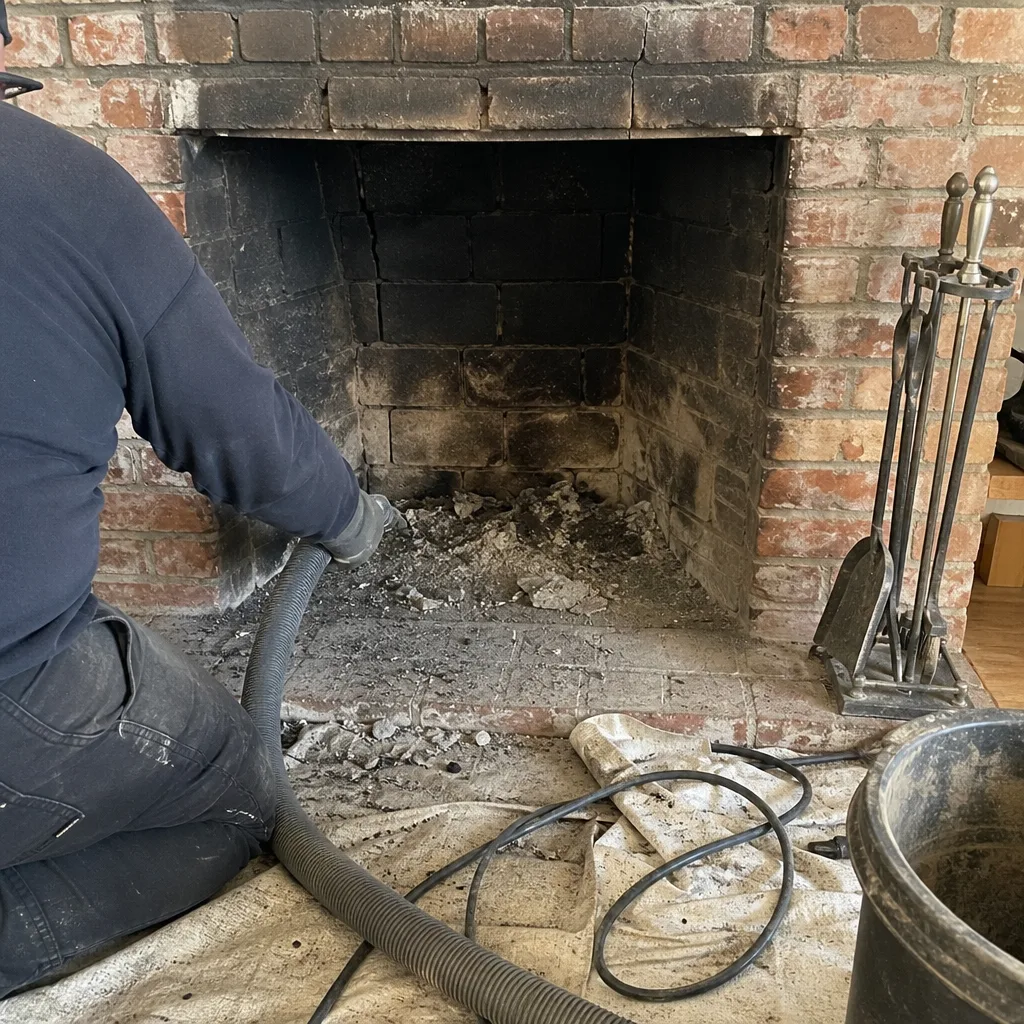
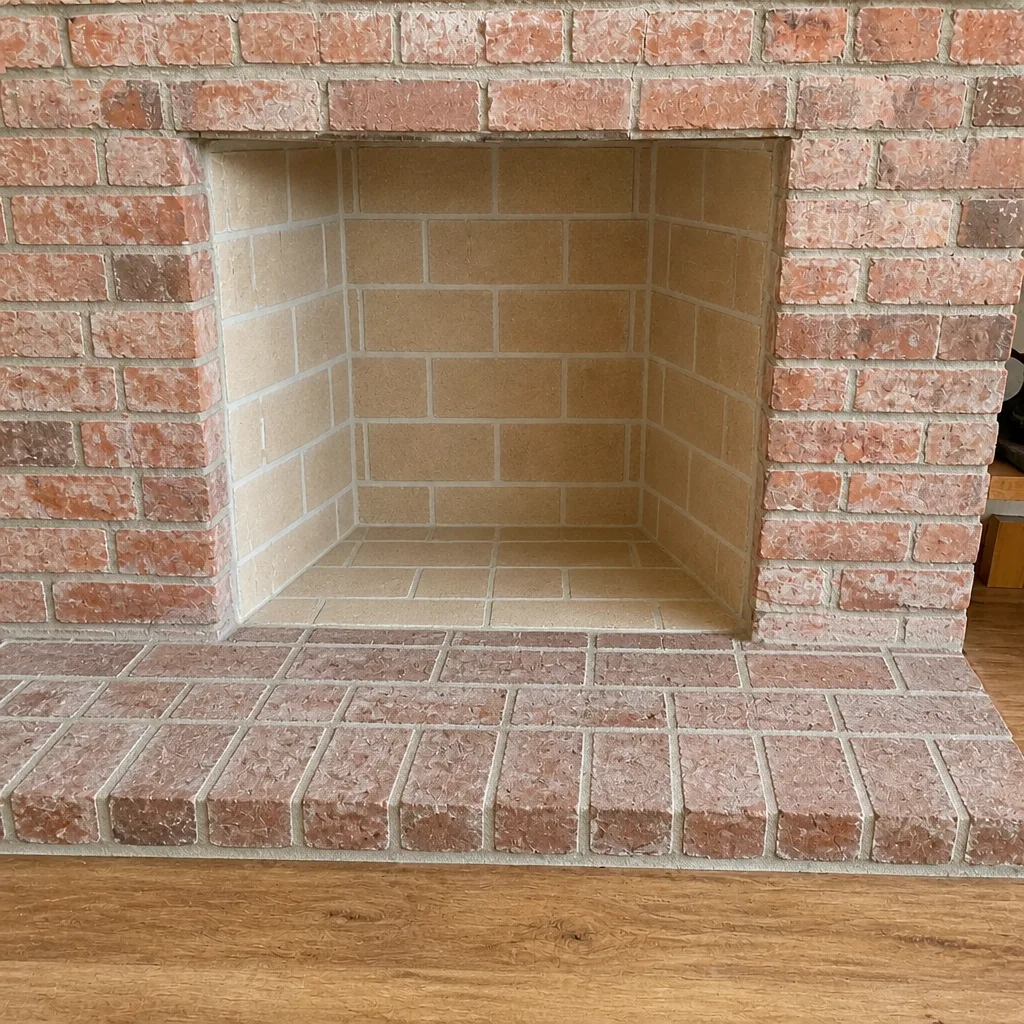
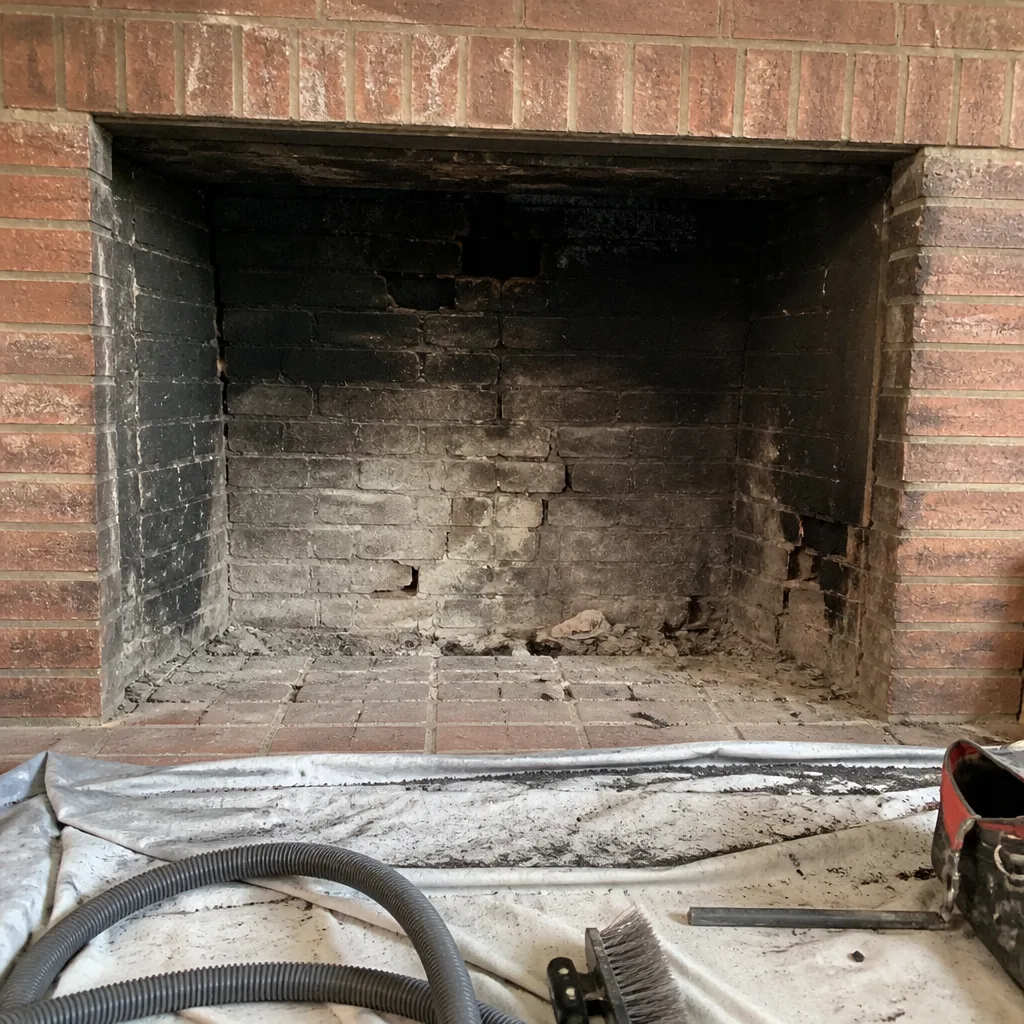
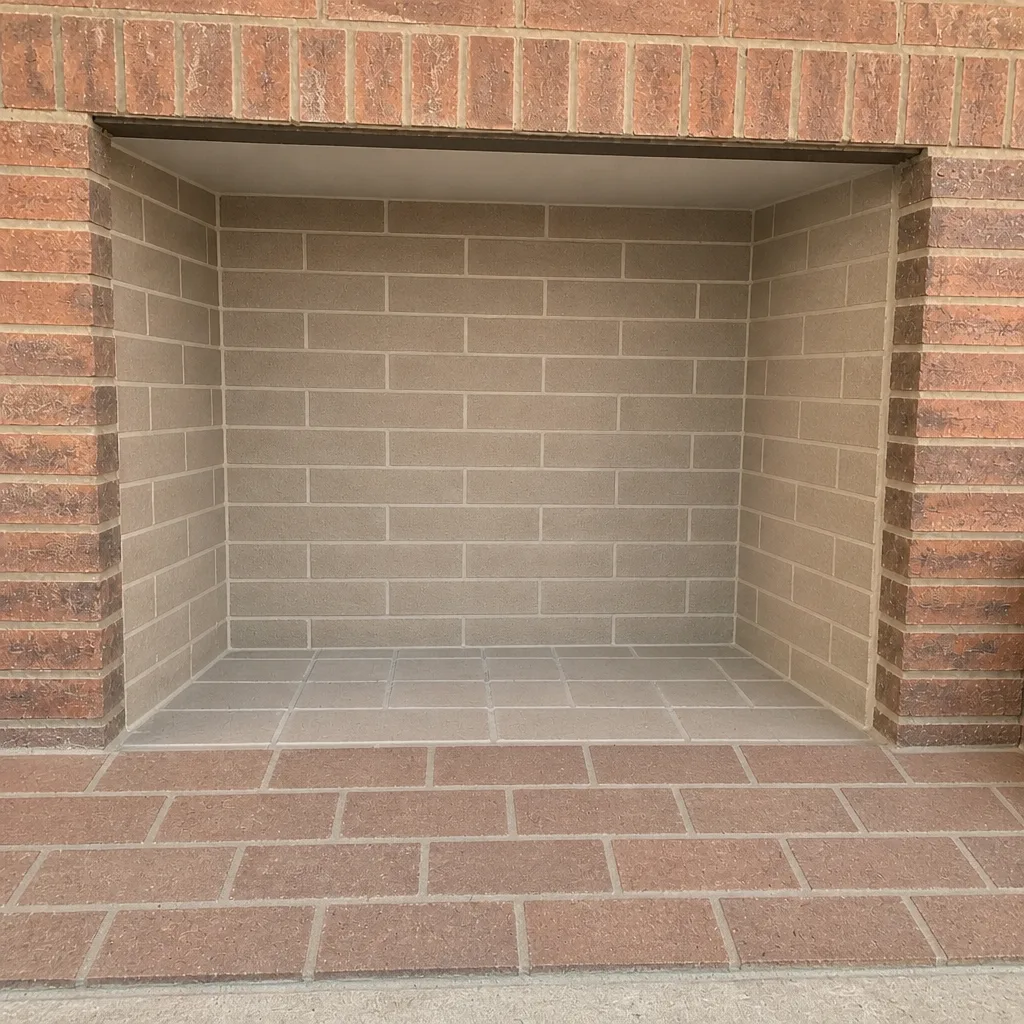
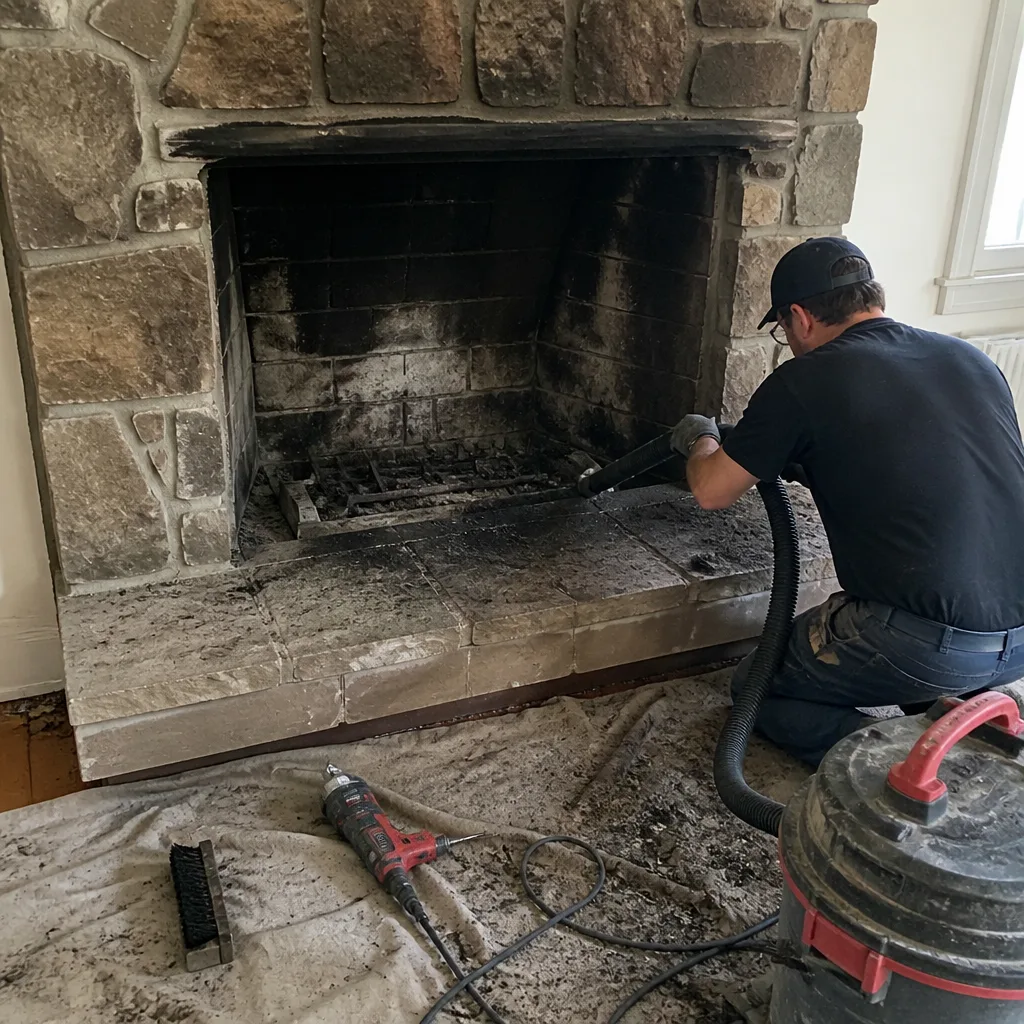
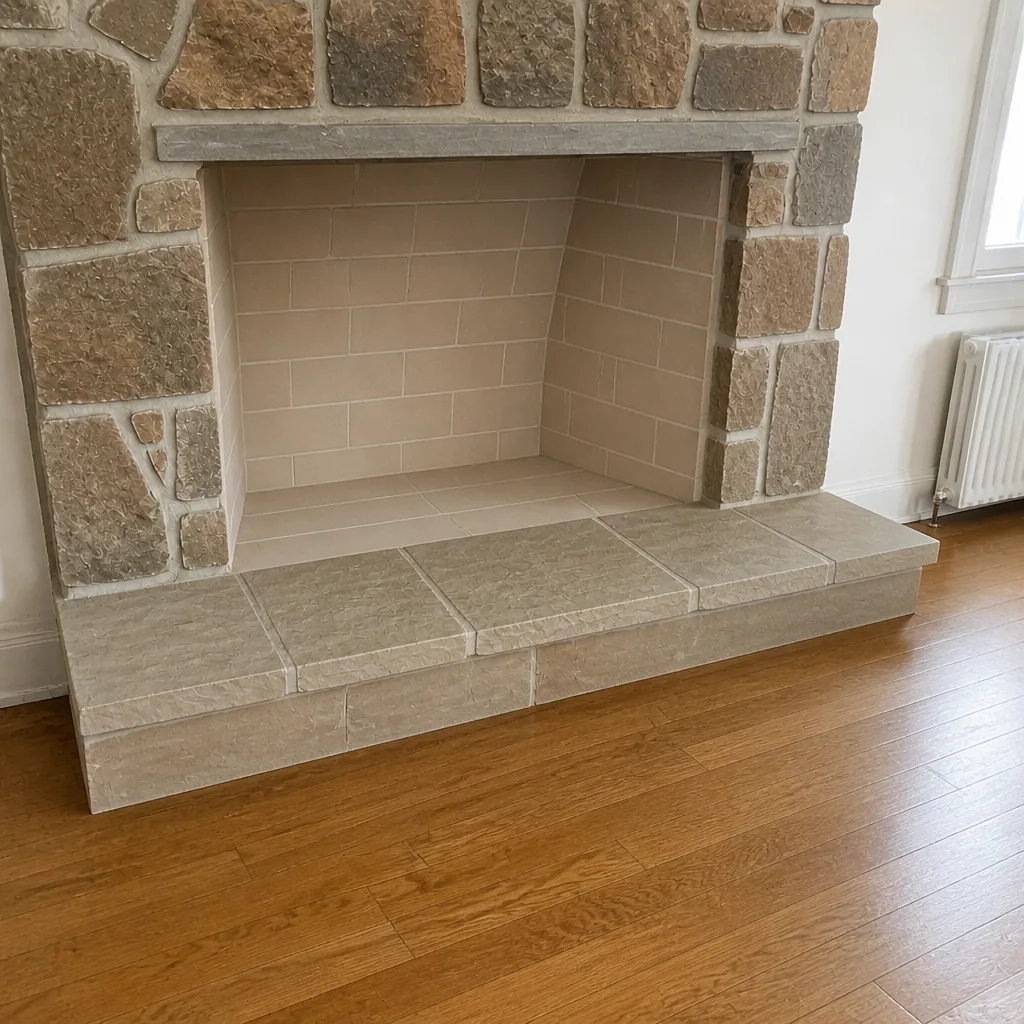
See the difference
 Before
 After
 Before
 After
 Before
 After
When to Call a Professional
You should call a professional if you haven’t had the chimney inspected in the last 12 months, if you’ve burned about a cord of wood since the last sweep, or if you’ve noticed any of the between-visit signs: smoke rolling back into the room, white staining on the brick, a visible crack in the crown, or water in the firebox after a storm. Call before you light the first fire of the season if the chimney hasn’t been looked at, and call immediately if a gas appliance sets off a carbon monoxide alarm or smells unusual. Chimney Sweep Sedgefield offers free estimates in Sedgefield. Call (855) 726-7779. We answer 24/7. Fast dispatch from 7am to 7pm, Sunday through Friday.
Frequently Asked Questions
Sweep when the flue reaches roughly 1/8 inch of creosote, or whenever you’ve burned about a cord of wood since the last cleaning, whichever comes first. For most heavy wood burners that lands at every 6 to 12 months; for light users, an annual sweep is common. The annual inspection happens regardless, because it catches things a sweep doesn’t. Call (855) 726-7779 for an exact quote on a sweep and inspection in Sedgefield. Estimates are free.
Yes. The inspection covers the cap, crown, flashing, liner, and venting, and the problems in those areas don’t depend on how often you burn. A decorative fireplace that never sees a fire still needs an annual look, because water and pests don’t wait for the fireplace to be in use. If the chimney hasn’t been inspected in a year, that’s the first thing to book.
Yes, and this is the part most generic advice misses. A wood-burning fireplace builds creosote and needs periodic sweeps. A gas insert rarely needs a sweep but needs an annual inspection of its venting. A wood stove’s creosote buildup depends heavily on how it’s operated. A decorative fireplace needs an annual structural look, with sweeping only if it’s been used. Match the schedule to the fuel and the usage, not to a single chart.
September, before the burning season starts. Getting the inspection and any needed sweep done before the first fire gives you time to handle repairs before you want the fireplace. After the burning season, a post-season check in March catches cap and crown damage from the winter freeze-thaw cycles. The rest of the year is a good window for repair and relining work. Call (855) 726-7779 to book a free estimate.
Problems that are invisible from the hearth can progress without warning. Creosote builds toward the dangerous range, a small crown crack lets water in and expands through freeze-thaw, and venting issues on a gas appliance can develop unseen. Skipping the inspection doesn’t skip the risk; it just removes the warning signs you’d otherwise get. Call (855) 726-7779 for an estimate.
Sometimes, yes. Not every damaged clay flue needs a full reline. The HeatShield ceramic resurfacing system restores certain kinds of damaged clay liners without a full replacement, and we install it where the damage is the kind resurfacing can address. Where replacement is needed, we install DuraFlex stainless steel systems. The decision should come from an inspection, not a sales pitch, so start with the inspection. Call (855) 726-7779 to book an estimate.
The Bottom Line
The annual inspection is the floor, not the ceiling. Above it, the schedule depends on your fuel type, your usage, and the age and condition of your liner. Wood-burning fireplaces, gas inserts, wood stoves, and decorative fireplaces each follow a different track, with intervals set by usage in cords rather than calendar months. Fit the structural checks (crown, cap, flashing, efflorescence) into the annual visit, and use the between-visit checklist to catch the small things. September is the best window in Sedgefield to get ahead of the season. Set the schedule to your chimney, not to a generic chart. Then call a specialist when the inspection or usage says it’s time. If you’re ready to start the next maintenance cycle, reach out to chimney sweep and fireplace repair specialists who work one job from inspection through final repair, with no separate crew to call. Call (855) 726-7779 for a free estimate.
Written by the team at Chimney Sweep Sedgefield.