
Last updated November 25, 2026
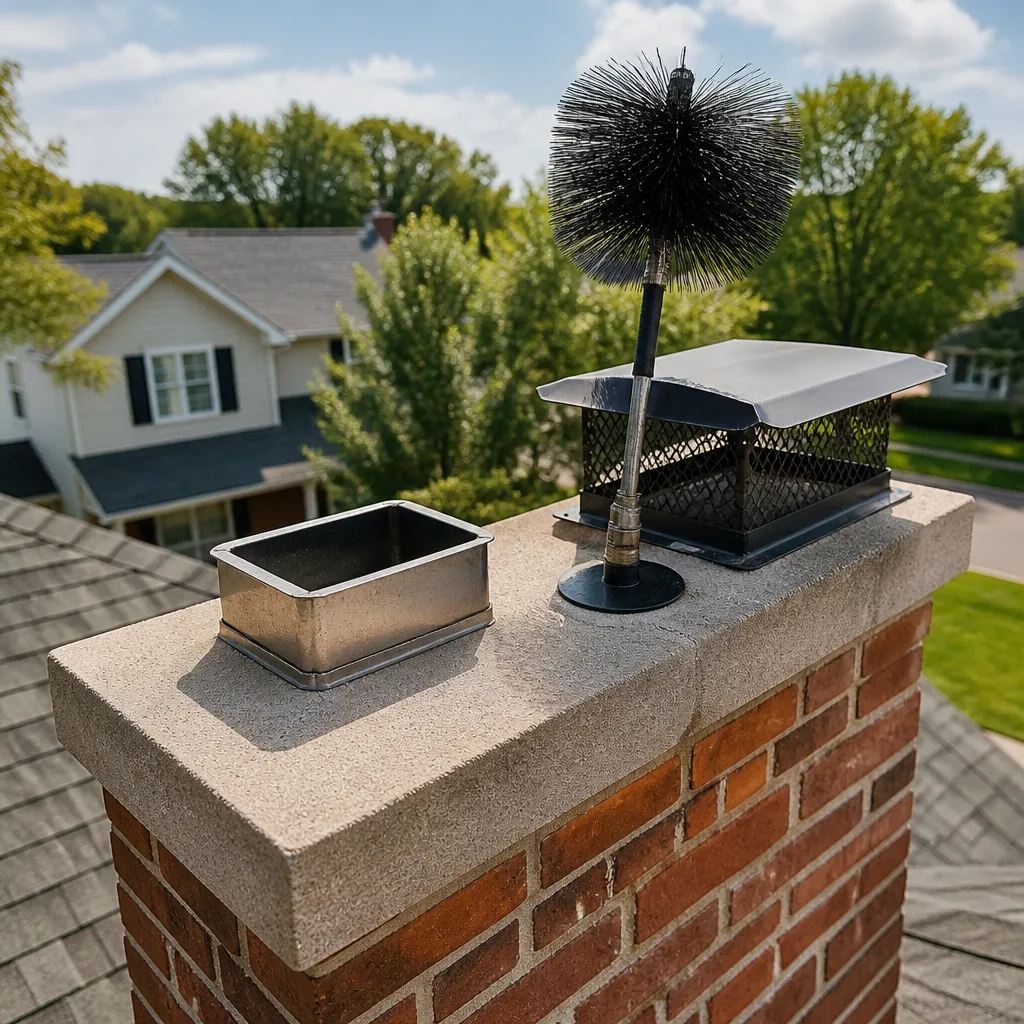 Sweep & inspection
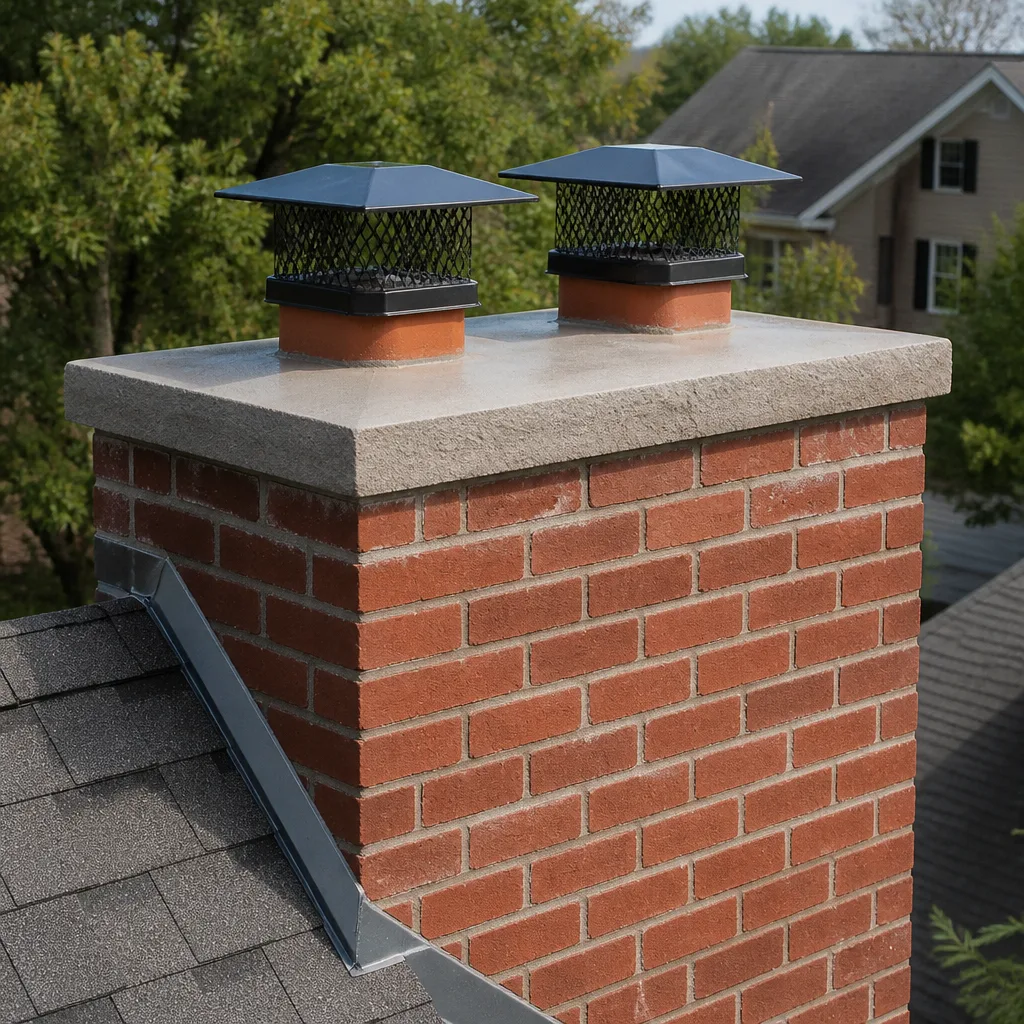 Caps & crowns
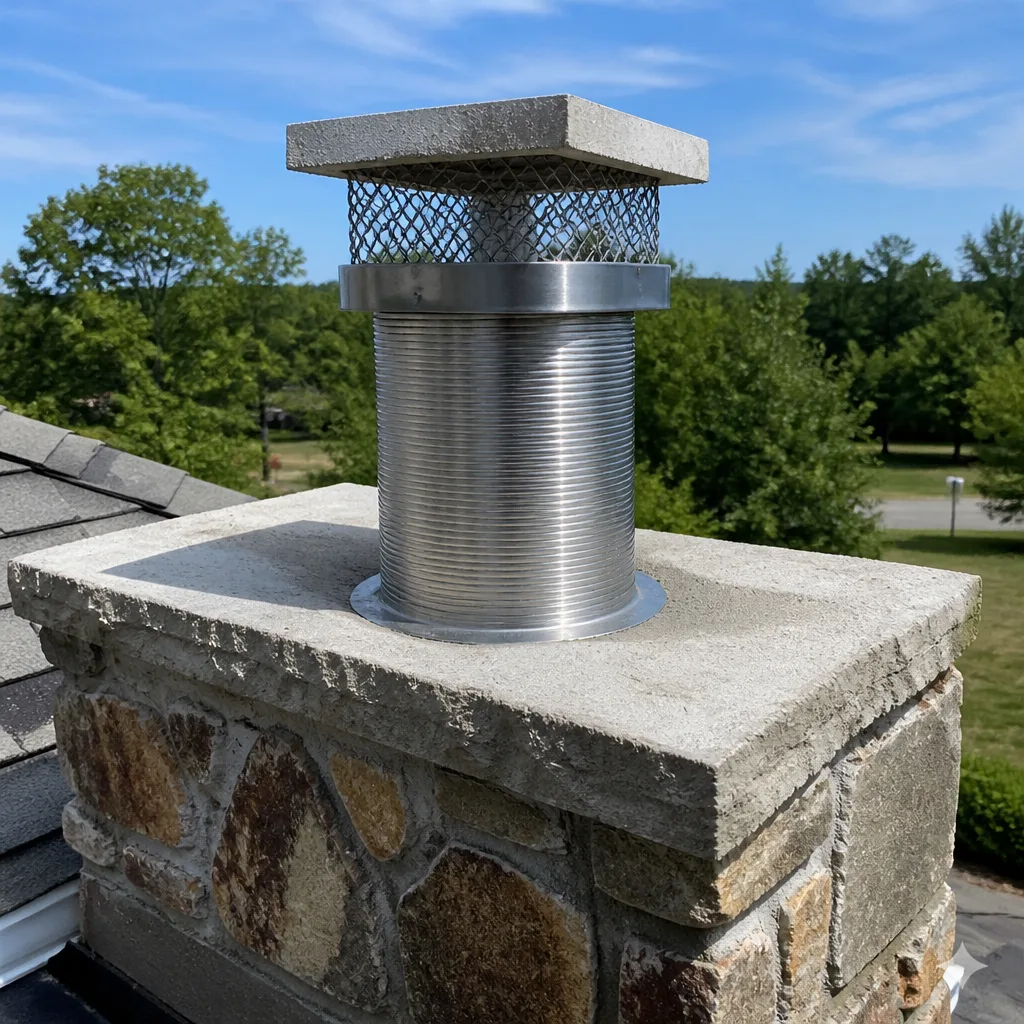 Flue relining
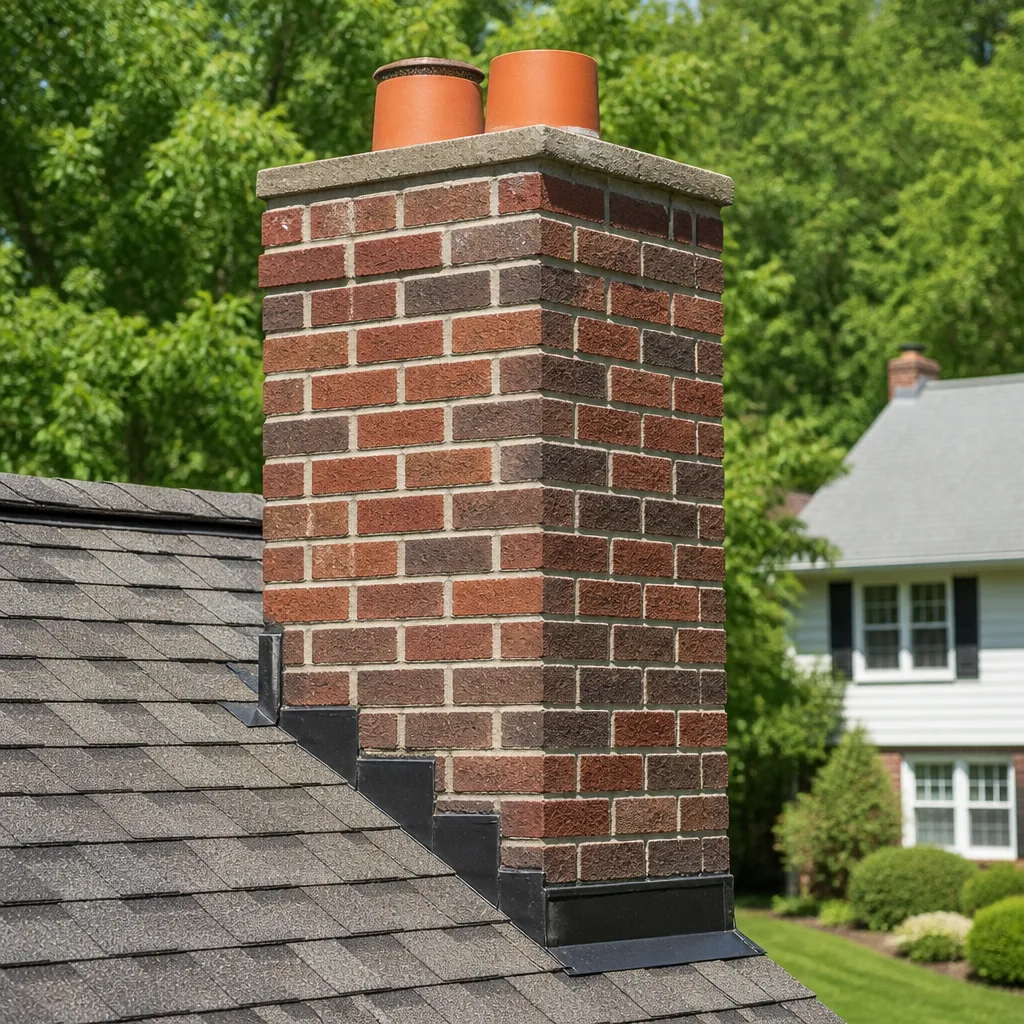 Masonry repair
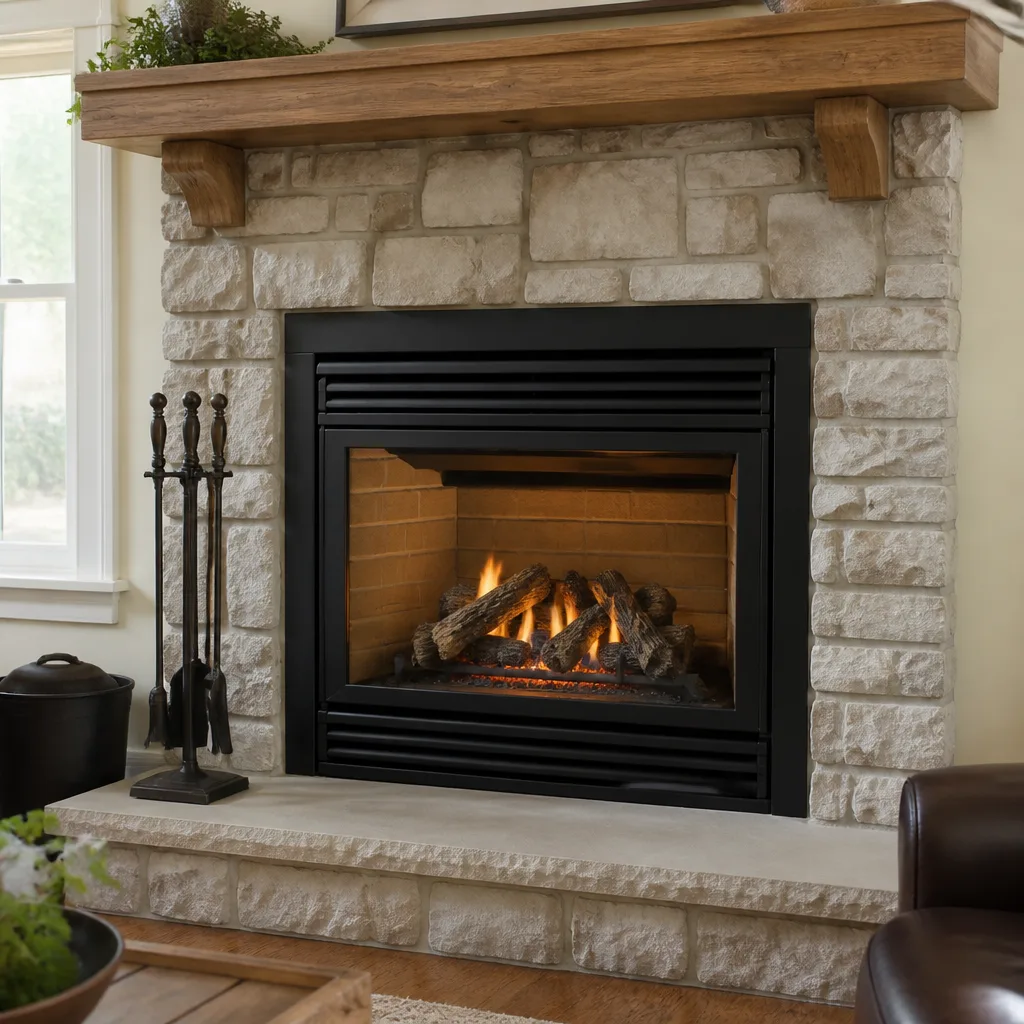 Gas fireplace service
Level 1 sweep and inspection to the NFPA 211 annual standard - flue, crown, cap, and flashing checked and photographed
Chimney sweep logs do not sweep chimneys. They loosen some creosote - which then falls where a brush and vacuum still have to collect it.
Chimney Cleaning Permits, Codes & Inspections in Sedgefield, NC: What You Need to Know
Here’s the part that surprises homeowners: the cleaning itself needs no permit, so most people assume nothing about a chimney ever does. That’s the misconception we run into across Sedgefield. The minute a job moves from sweeping into repair or a new wood-burning appliance, it lands inside a code jurisdiction many owners don’t know exists – and unpermitted chimney work has a way of surfacing at the worst possible moment, which is usually the closing table. North Carolina’s residential code has real requirements for how chimneys are built and vented, and older houses around Sedgefield were built long before anyone applied them. In this guide we’ll walk through what actually triggers a permit in Guilford County, which code sections matter, how a Level 2 inspection ties into documentation, what grandfather status really covers, and how to pull a property’s chimney permit history before you buy.
Quick Answer
Routine chimney cleaning in Sedgefield does not require a permit. Repairs, relining, and the installation of a new wood-burning insert or appliance generally fall under Guilford County’s mechanical permit process and North Carolina Residential Code, and a Level 2 inspection is what documents the condition of the system at a sale or after a significant change. The written inspection report is your compliance paper trail – and it’s the first thing a buyer’s inspector will ask for.
Styles & brands we work with
- Sweep & inspection
- Caps & crowns
- Flue relining
- Masonry repair
- Gas fireplace service
Table of Contents
- What Triggers a Chimney Permit in Guilford County?
- What the NC Residential Code Actually Requires
- Why Older Sedgefield Homes Sit in a Gray Zone
- How a Level 2 Inspection Connects to Code Compliance
- What “Grandfather Status” Covers – and Doesn’t
- How to Request a Chimney Permit History Before You Buy
- The Steps of a Code-Aware Chimney Inspection
- Permits, Codes and Common Questions
What Triggers a Chimney Permit in Guilford County?
The clean line is this: maintenance doesn’t need a permit, construction does. Sweeping out creosote, replacing a cap, or installing a new crown is maintenance. Cutting into the flue, adding a liner system, or setting a new insert is construction. Once you cross that line, you’re in the mechanical permit world.
Guilford County handles permitting for chimney and venting work through its code enforcement office, and the thresholds are worth verifying directly with them before any project starts. The categories generally break down like this:
- Cleaning and inspection – no permit. This is maintenance.
- Cap and crown replacement – typically no permit, since you’re not altering the flue or the appliance.
- New wood-burning appliance or insert installation – permit required. This is the one people miss.
- Relining the flue – permit almost always required, because you’re changing the venting system.
- Structural repair to the chimney chase or masonry above the roofline – a building permit may apply depending on scope.
The insert swap is the one that gets homeowners in trouble. A wood-burning insert adds heat output to an existing fireplace, and the flue must be brought into compliance with the new appliance’s venting requirements. That’s construction. That’s a permit. Homes throughout Sedgefield, especially the older ones near the historic district, have been retrofitted with inserts over the years, and a fair number of those jobs were done without paperwork. The homeowner rarely knows until a home inspector flags an unvented or improperly vented appliance a decade later.
When you’re not sure whether a project crosses the line, call the county code office and describe the work. They’ll tell you directly. And when you’re ready to book the assessment, a professional chimney inspection will document what’s actually there before anyone touches a tool.
What the NC Residential Code Actually Requires
North Carolina’s residential code devotes a full chapter to chimneys and vents, and the sections run from R1001 through R1006. If you’ve ever wondered what a code inspector is looking at, it’s these five pieces:
- R1001 – Masonry chimneys. Covers construction: footings, materials, wall thickness, clearances to combustibles, and the required flue-lining.
- R1002 – Factory-built chimneys. Sets how listed metal chimneys must be installed, including required clearances to combustible framing.
- R1003 – Chimney termination and spark arrestors. The rules for how high the chimney must extend above the roofline and what the cap or spark arrestor must include.
- R1004 – Chimney connectors. How the flue connector attaches from the appliance to the chimney, including slope and proximity requirements.
- R1005 – Fireplace requirements. Hearth extensions, firebox dimensions, and combustibles around the opening.
R1006 handles the venting of specific appliances, and it’s the reference point for insert installations. What matters for a homeowner is this: the code is the baseline for a safe installation, and every later edition tightens things up. A chimney built in 1965 met the code of 1965. It almost certainly does not meet the current edition, and that’s the gap you have to navigate when repairing or replacing.
In our experience around Sedgefield, the two things that most often fail a current-code review are the flue-lining (uncured or degraded clay tile) and the termination clearance at the roofline. A modern stainless liner system like those from DuraFlex or Olympia Chimney brings a flue up to the venting standard the code demands – a fix that used to mean tearing out masonry. That’s exactly the kind of repair-vs-replace decision a chimney specialist should be walking you through before anyone quotes a number.
Why Older Sedgefield Homes Sit in a Gray Zone
Sedgefield has a lot of older housing stock, and the chimneys in those homes reflect the building practices of their era. That’s not automatically a problem. But it does mean the code that governed original construction is nothing like the code that governs a repair today, and the two can’t be reconciled on paper.
What that looks like on the ground:
- Clay tile flues with mortar loss. The standard for decades. Over time, mortar joints crack and tiles shift, and the flue no longer meets the venting requirement for a modern appliance. A code-compliant fix is a liner.
- Undersized flues. Older flues were sized for open fireplaces, not inserts. When a new insert goes in, the flue is the wrong dimension for the appliance’s venting.
- Minimal clearances to framing. Homes built before the current clearance requirements often have less separation between the chimney and the wood framing than R1002 allows. This is the hidden one, and it’s why a proper inspection looks inside the chase.
- No spark arrestor or improper termination. Common on decades-old chimneys, and a code issue at review.
When we look at a Sedgefield home in this range, our technicians – who carry up to 9 years of experience – walk the full system and photograph what they find. Some of those homes can be brought into compliance with a HeatShield ceramic resurfacing of the existing clay flue rather than a full replacement. That’s a significant cost difference, and it’s the kind of option a code-aware inspection uncovers.
How a Level 2 Inspection Connects to Code Compliance
A Level 2 inspection is the one that matters most for property transactions and for any job that changes the system. The standard is clear: a Level 2 is required when a property is sold, when the appliance is changed, or after an event that may have damaged the chimney. It’s a more thorough look than the annual Level 1, done with video or other inspection tools to see inside the flue.
Why does this matter for codes? Because the inspection report is the documentation that tells you, and everyone else, whether the chimney as it stands meets the installation standard for what’s connected to it. And a code-compliant installation is only as good as the paper trail.
The Level 2 inspection produces a written report: photographs of the flue interior, a description of the liner condition, the appliance connection, and any deficiencies. That report does three things:
- Establishes the condition baseline when you buy a home in Sedgefield.
- Documents the “before” condition before any repair work and the “after” once it’s done.
- Gives a code inspector and a future buyer an independent record of what was found and corrected.
In practice, the phone call from a buyer’s real estate agent is usually the first time a homeowner hears about an unpermitted insert. A Level 2 done early – before the house hits the market – turns that surprise into a planned repair. Our team can work with your level of comfort and your timeline; if a repair can safely wait, we say so, and the report shows why. The written report is the evidence. The decision is yours.
What “Grandfather Status” Covers – and Doesn’t
“Grandfathered” is the term homeowners hear most often, and it’s the most misunderstood. It does not mean the chimney is exempt from all code forever. It means the original construction was legal at the time it was built, and the current code is not applied retroactively to that work.
What grandfathering covers:
- The original construction of the chimney, as built under the code of its era.
- The original appliance installation, provided it was permitted at the time.
- Routine maintenance and cleaning, which never required a permit anyway.
What it doesn’t cover:
- New work. Any new construction, repair, or appliance change must meet the current code at the time of the work.
- Change of use. Installing an insert or replacing an appliance triggers current requirements for the venting.
- Safety deficiencies. A grandfathered chimney with degraded cladding or insufficient clearance can still be flagged as unsafe. Grandfathering doesn’t protect you from a hazard.
For a pre-1980 Sedgefield chimney, the practical result is this: the original build may be grandfathered, but the moment you change anything, you’re in current-code jurisdiction. That’s not a reason to avoid repairs – it’s a reason to do them through a proper permit process, so the new work has documentation. When a repair turns into structural work, we handle it from inspection through final repair with one crew, so the permit history and the repair history stay in the same place.
How to Request a Chimney Permit History Before You Buy
Before you sign off on a home in Sedgefield, ask for the chimney permit history. It’s public record, and you can get it in a few steps:
- Contact the Guilford County code enforcement office that handles building and mechanical permits for the property’s address. This is the same office that issues the permits.
- Provide the property address and, if you have it, the parcel number. The clerk can usually pull the record by address.
- Ask specifically for mechanical permits and building permits for chimney, flue, and fireplace work. The permit record will show what was permitted, when, and who the contractor of record was.
- Request copies of any open or closed permits. A closed permit means the work was inspected. An open or expired permit means the work may not have been finished or verified.
- Compare the permit record to the current chimney. If there’s an insert installed but no permit on file, that’s your question to ask the seller.
Two things to keep in mind. First, permit records can be incomplete for older work, so a missing permit doesn’t automatically mean poor work – it means you need an inspection to confirm the condition. Second, the permit tells you the work was done under code; it doesn’t tell you the current condition. You need both the paper trail and a fresh Level 2 inspection.
If a repair is needed, a chimney cap & crown installed properly, or a liner system done under permit, is what makes the file complete. Our free written estimate lays out exactly what permit-related work is needed, so you can price the project before you commit.
The Steps of a Code-Aware Chimney Inspection
Whether you’re buying a home, selling one, or you’ve just had a repair done, a code-aware inspection follows a consistent path. Here’s what our technicians work through:
- Exterior review. We look at the roofline termination, the cap and crown, masonry cracks, and any water staining. This is where the most common water-intrusion points are.
- Firebox and firebox lining. We check the brick and mortar joint condition and whether the hearth clearances match current requirements.
- Damper and smoke chamber. We open the damper, check its operation, and look at the parging in the smoke chamber for gaps or deterioration.
- Flue interior with video. The flue interior is the part you can’t see from below. We use a camera to document the lining condition and to confirm the flue size is appropriate for the appliance connected to it.
- Appliance connection. We look at the connector from the appliance to the flue, the clearances, and the make-up air for a new appliance.
- Creosote assessment. We note the extent of creosote buildup and whether it’s at a stage that warrants cleaning before further inspection.
- Written report. We produce a report with photographs, the deficiencies found, and the code-relevant findings. That’s the document a buyer’s inspector and your insurance company will look at.
If the report shows the flue needs to be brought up to current standard, we typically recommend a DuraFlex stainless liner for long-term performance, or a HeatShield ceramic resurfacing when the existing clay flue can be restored rather than replaced. Both are installed to the current code-compliant standard, and both come with the documentation your file should have.
Permits, Codes and Common Questions
The questions we hear most often in Sedgefield tend to cluster around the same handful of worries. Here’s a direct answer to each:
- Do I need a permit to sweep my chimney? No. Cleaning is maintenance, not construction.
- Do I need a permit for a new cap? Usually not, since a cap doesn’t change the flue or the appliance.
- Do I need a permit to install an insert? Yes. This is mechanical permit territory in Guilford County.
- Can I skip the permit if the insert’s already installed? You can’t fix the past, but you can document the condition with a Level 2 inspection and bring the system into compliance going forward.
- Who inspects the work? The county inspector verifies the permitted work. Our job is to do the work to the current code and leave the documentation in place.
The filing isn’t something a homeowner needs to manage alone. We’ve walked Sedgefield owners through the log of what’s on file and what still needs to go in, and it’s usually simpler than it looks on paper. If the worry is the cost, the answer is that a free written estimate lays out the scope before you commit, and we tell you plainly when a piece of work can safely wait.
Common Mistakes to Avoid
- Assuming every repair needs a permit. It doesn’t. A cap or a crown is usually a no. But assuming the opposite – that nothing does – is what gets people into an unpermitted insert swap. Verify the scope with the county before work starts.
- Installing an insert without a permit and never documenting it. The insert works, so nobody thinks about the paperwork. Then a home inspector flags the missing permit years later and the closing gets delayed. A Level 2 inspection before you buy is far cheaper than a surprise at closing.
- Treating “grandfathered” as “permanently exempt.” A pre-1980 Sedgefield chimney that was grandfathered from the start must still meet current code the moment it’s repaired or a new appliance goes in. Grandfathering covers the original build, not new work.
- Skipping a Level 2 at sale. The Level 2 is required at sale in most cases, and it’s the report that either clears the transaction or surfaces the problem early enough to negotiate.
- Confusing a permit history with a current condition report. A closed permit means the work was done under code at the time. It tells you nothing about the flue today. You need both.
- Hiring a sweep and a mason separately. The finger-pointing that follows a failed repair is a classic. When one company handles the inspection and the repair, the permit scope, the diagnosis and the final work stay in one file.
- Ignoring water intrusion until the chase is damaged. The cap and the crown are the two most common points where water gets in. In Sedgefield’s humid summers and freeze-thaw winters, a cracked crown lets moisture into the masonry, and the repair grows.
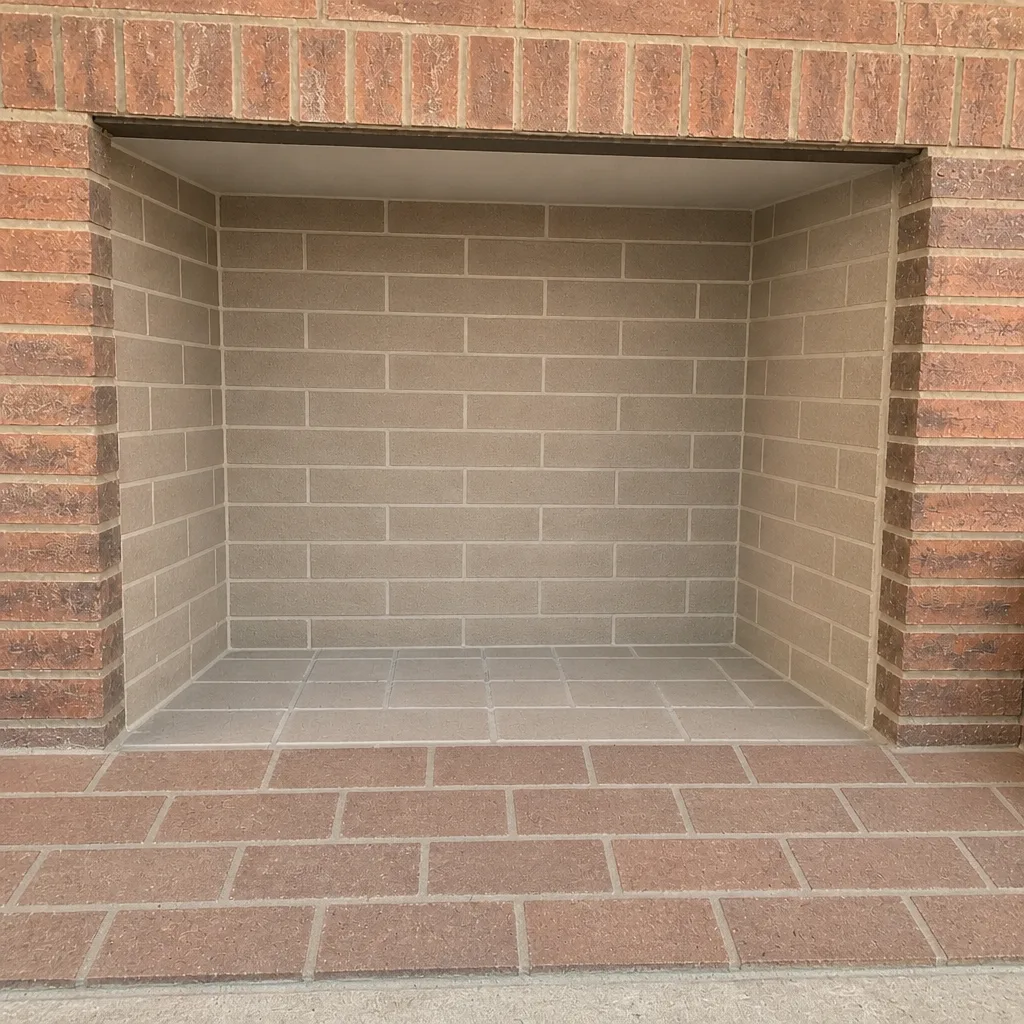
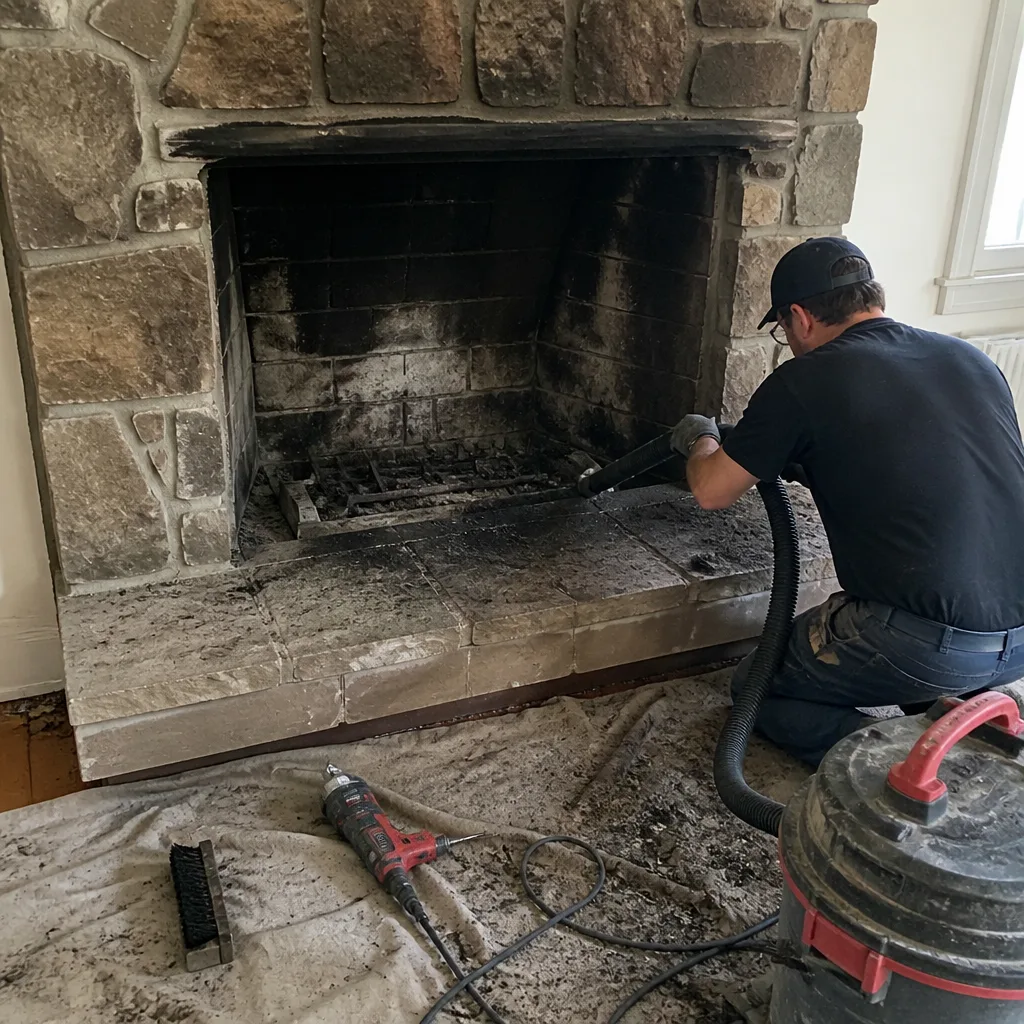
See the difference
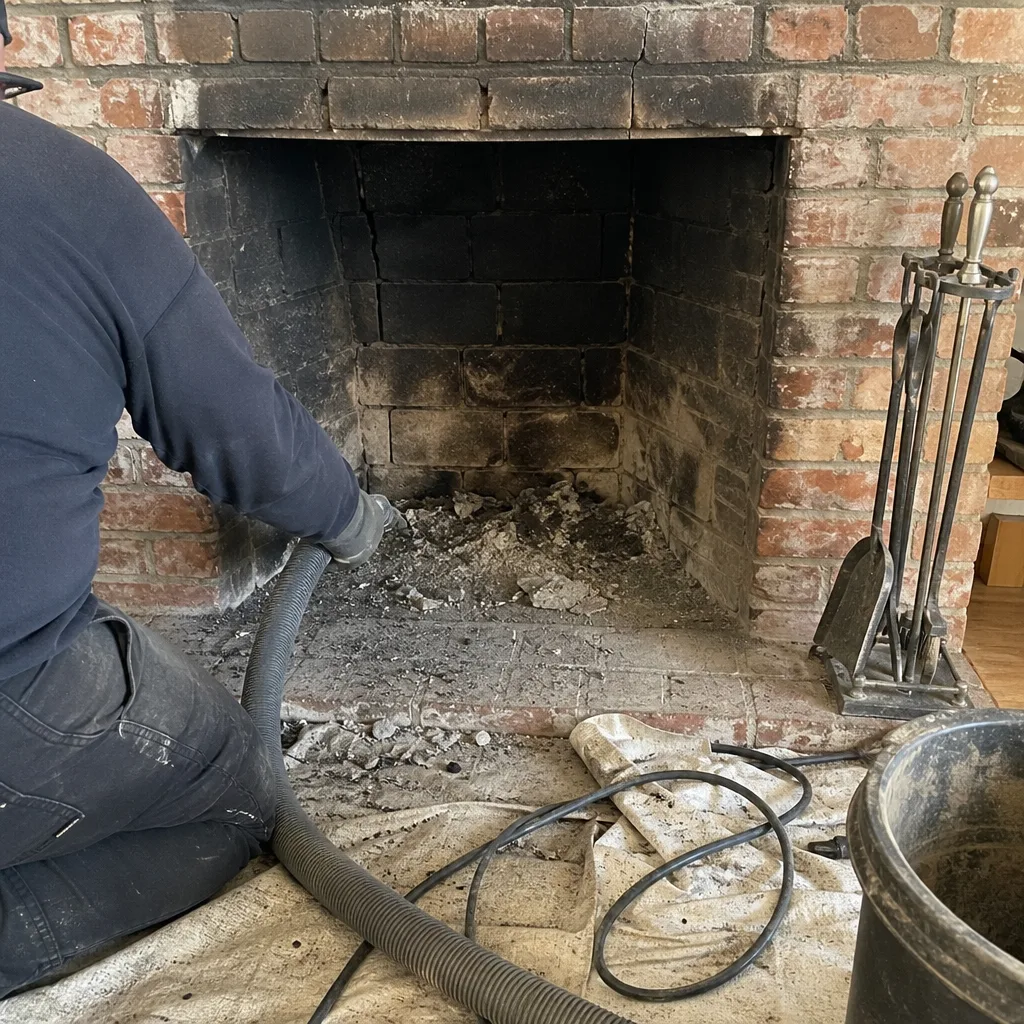 Before
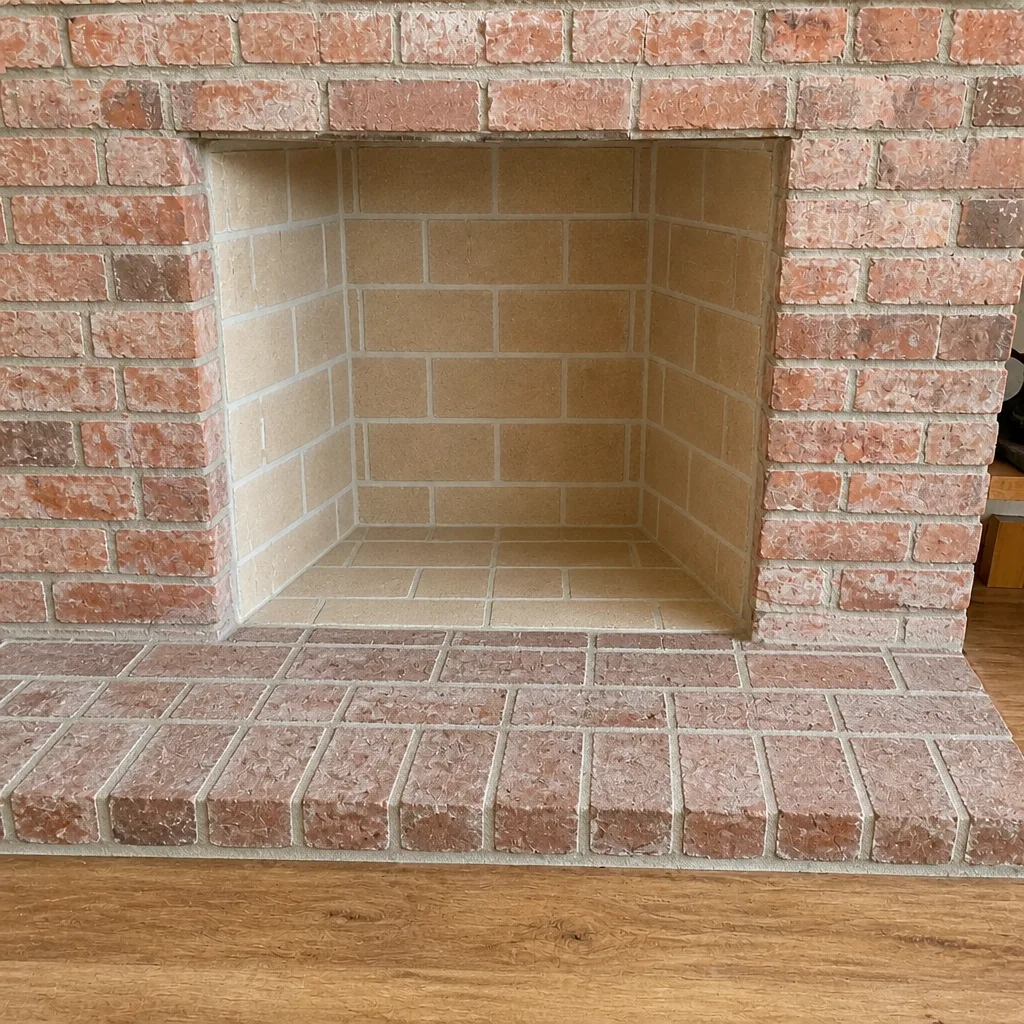 After
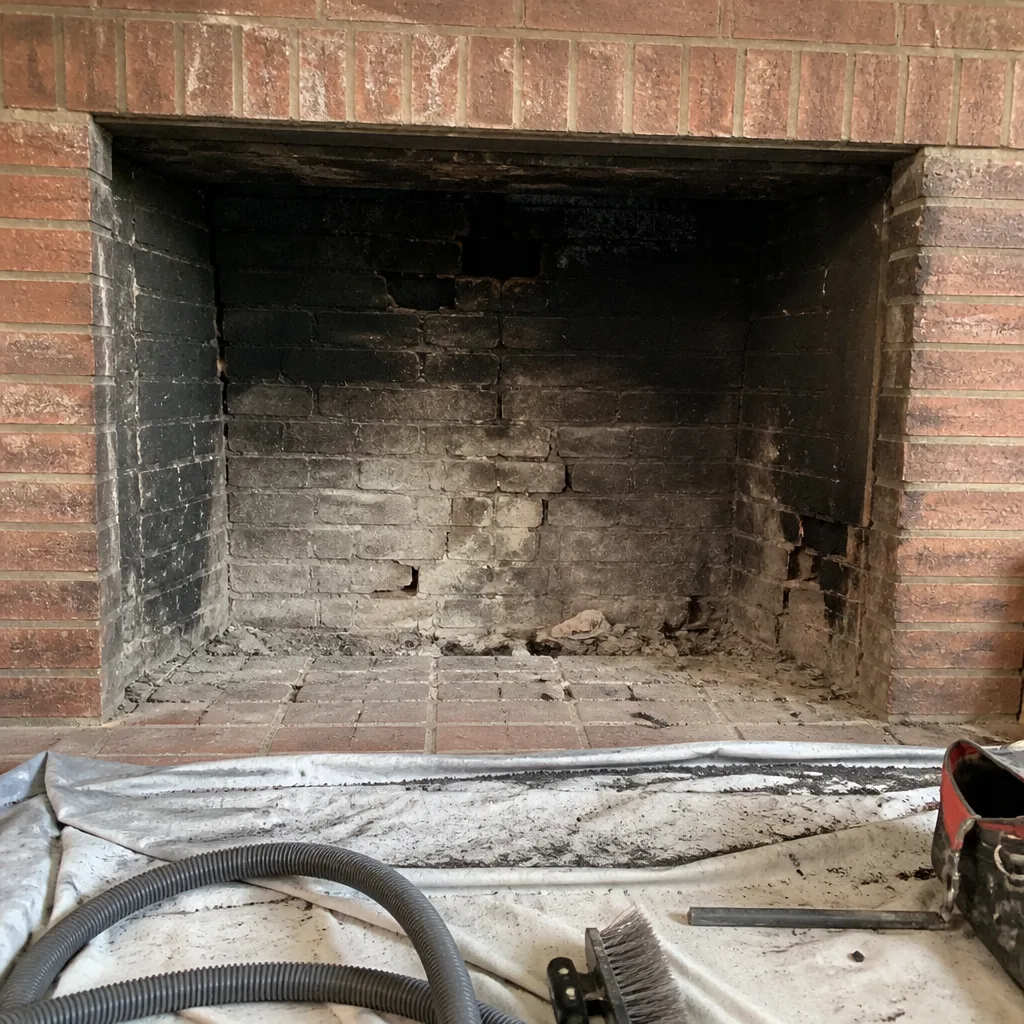 Before
 After
 Before
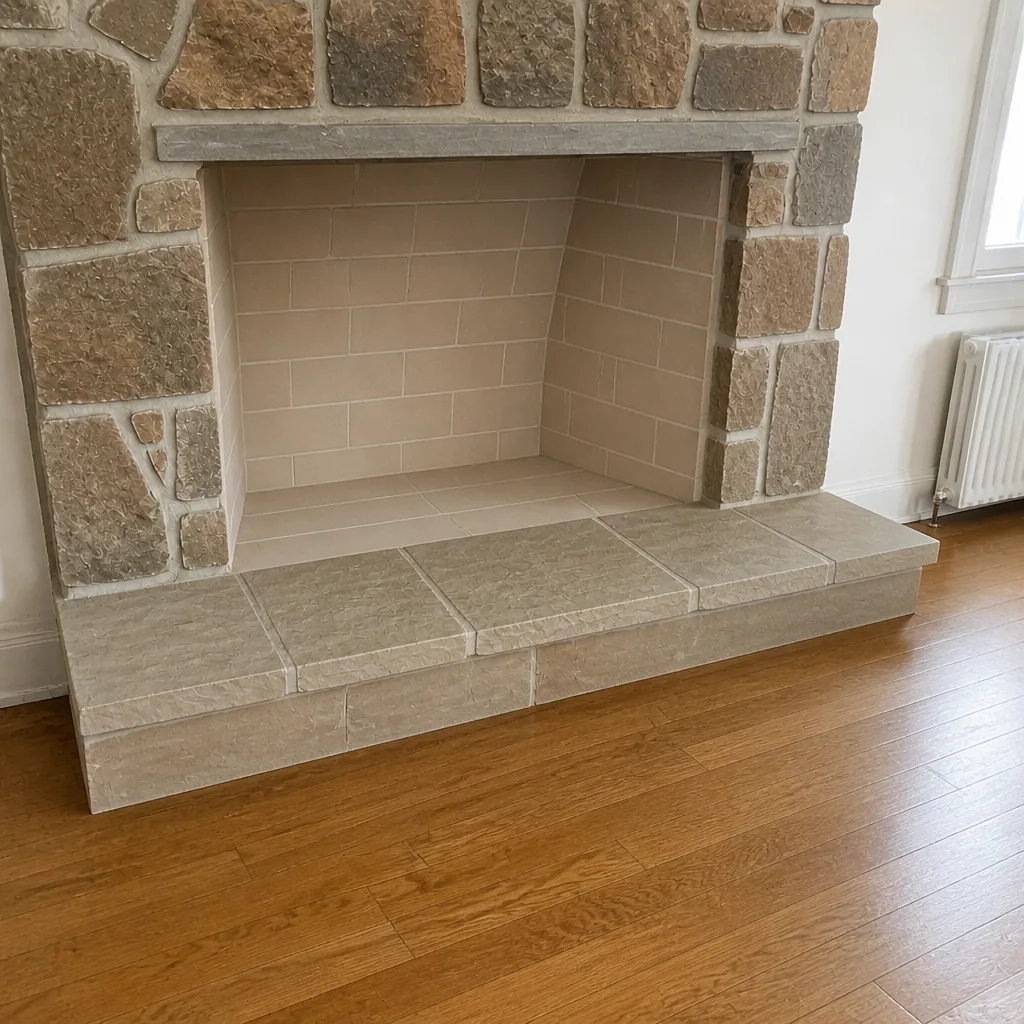 After
When to Call a Professional
Not every chimney question needs a truck. But a few situations do. Call us when you’re buying or selling a Sedgefield home and there’s no permit history for the chimney; when a new insert is already in place and you can’t find the paperwork; when your annual visual check turns up cracked clay tiles, missing mortar, or a damaged crown; when you smell smoke backing into the room or see water staining on the chase; when a previous repair left you without a written document; and when your home inspector flagged the chimney and you need a second, code-aware opinion. We answer 24/7, and fast dispatch runs from 7am to 7pm, Sunday through Friday. We also handle fireplace repair when the fault is in the firebox or damper rather than the flue. Call (855) 726-7779 for a free estimate; a chimney specialist will walk through what the county requires before any work is scheduled.
Frequently Asked Questions
No. Routine chimney cleaning is maintenance, not construction, and does not require a Guilford County permit. A permit comes into play when the work changes the flue or the appliance – things like relining, an insert installation, or structural repair. Call (855) 726-7779 for an exact scope of what your job needs.
Yes. Installing a new wood-burning appliance or insert falls under Guilford County’s mechanical permit process, because the venting system is being changed. The permit is what documents that the installation met the current code. Call (855) 726-7779 to schedule a code-aware inspection before the work begins.
Most homes using the fireplace regularly should be swept once a year, typically before the burning season starts. Homes that burn a lot of soft wood or use the fireplace heavily may need a mid-season sweep. A code-aware inspection at the same visit catches anything that a sweep alone won’t show. Call (855) 726-7779 for an exact quote – estimates are free.
Only for the original construction. A pre-1980 chimney that was built to the code of its era is grandfathered for that original build, but any new repair, relining, or appliance installation must meet the current North Carolina Residential Code. “Grandfathered” is not a safety exemption and does not cover degraded flue liners or insufficient clearances.
You should request it. Permit history is public record through the Guilford County code enforcement office, and it tells you whether the chimney, flue, and any insert work was permitted and inspected. A Level 2 inspection adds the current condition. Together they’re the paper trail that clears the transaction. Call (855) 726-7779 to book the inspection.
It usually surfaces later, most often during a home inspection at the next sale, when the buyer’s inspector flags the unpermitted work. The fix isn’t tearing anything out; it’s documenting the current condition with a Level 2 inspection and bringing the system into compliance going forward. Our team can walk you through what that involves before you commit to any work.
The Bottom Line
Cleaning your chimney in Sedgefield requires no permit. Changing the flue or the appliance does. That distinction is the whole guide in one line. The north star for any homeowner is the record: request the permit history before you buy, get a Level 2 inspection at sale or after any change, and keep the written report for the next buyer. When a repair is needed, the right scope is what the current code requires, and the right documentation makes it stick. If you’re unsure where your chimney lands, that’s exactly what an inspection is for. Call Chimney Sweep Sedgefield at (855) 726-7779 for a free estimate; we’ll tell you what the county requires and where your repair can wait.
Written by the team at Chimney Sweep Sedgefield.