
Last updated November 25, 2026
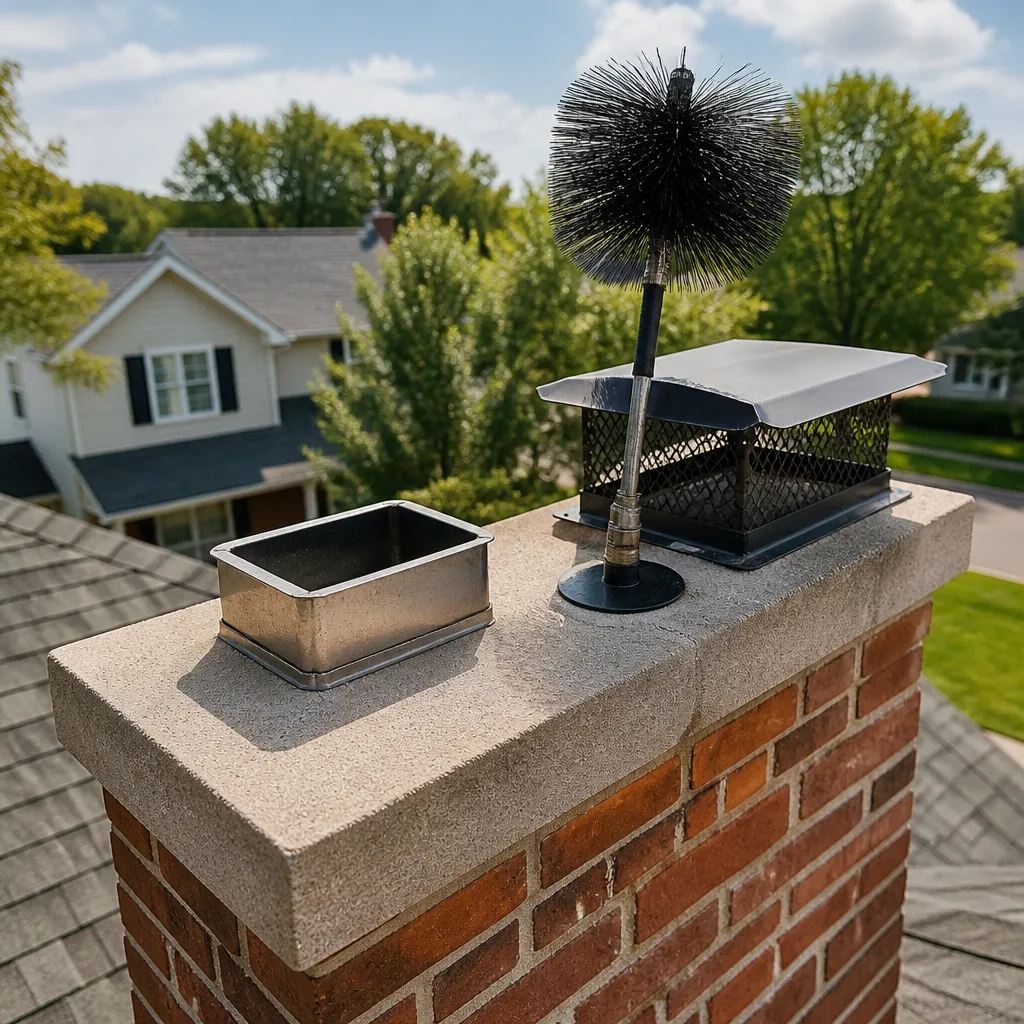 Sweep & inspection
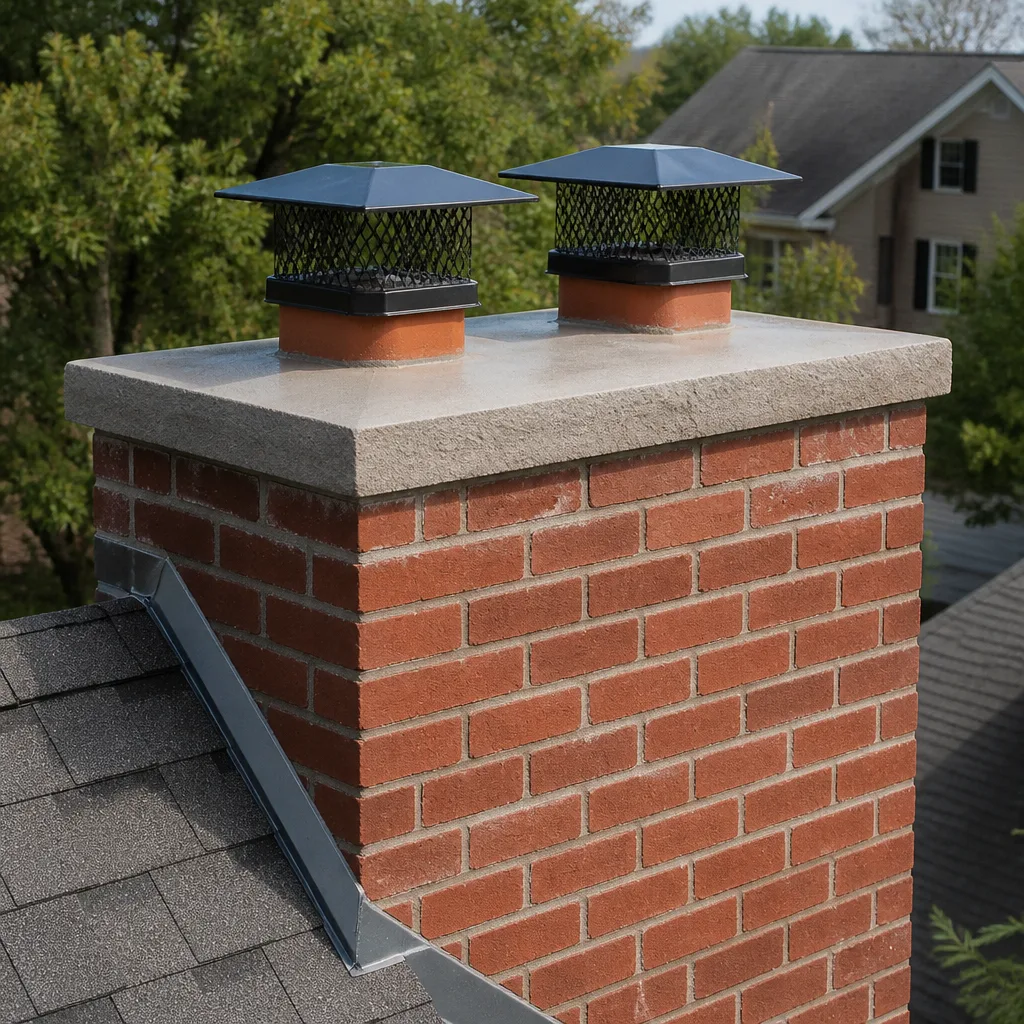 Caps & crowns
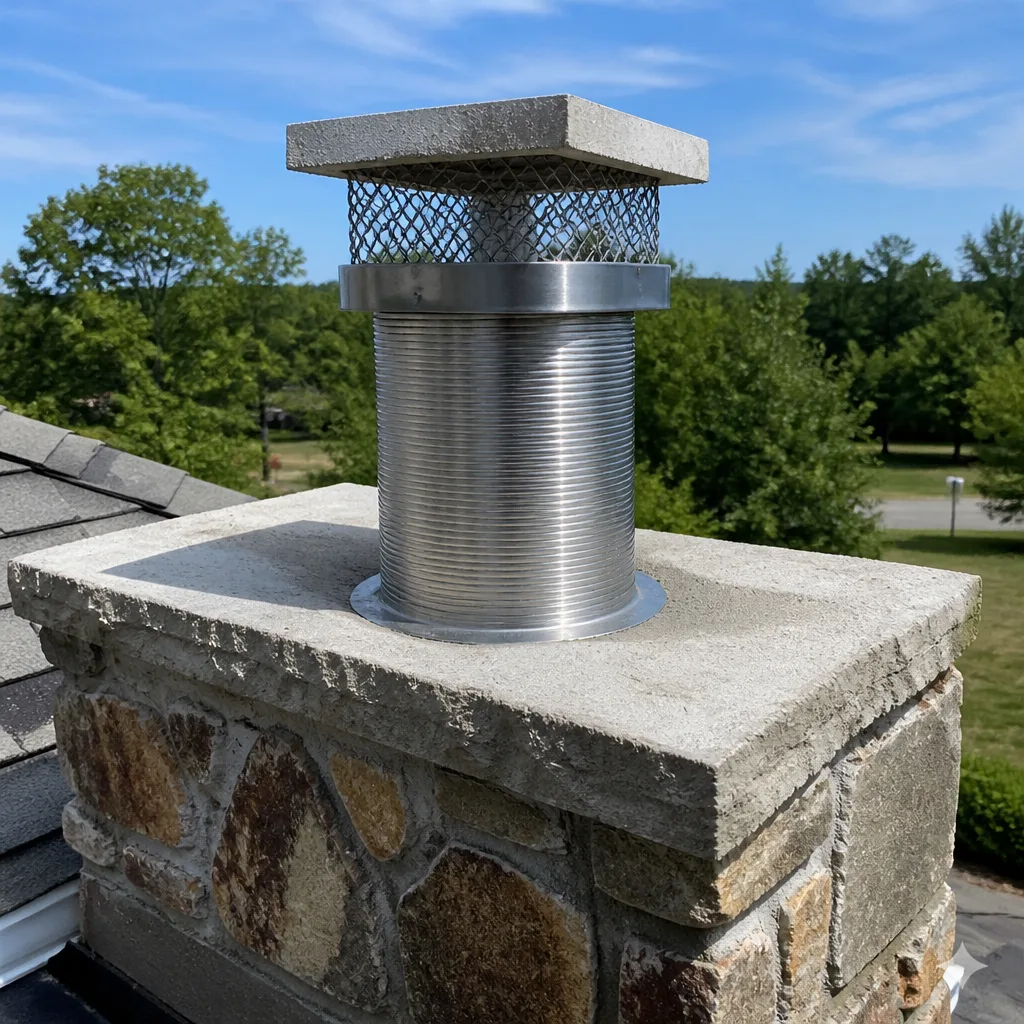 Flue relining
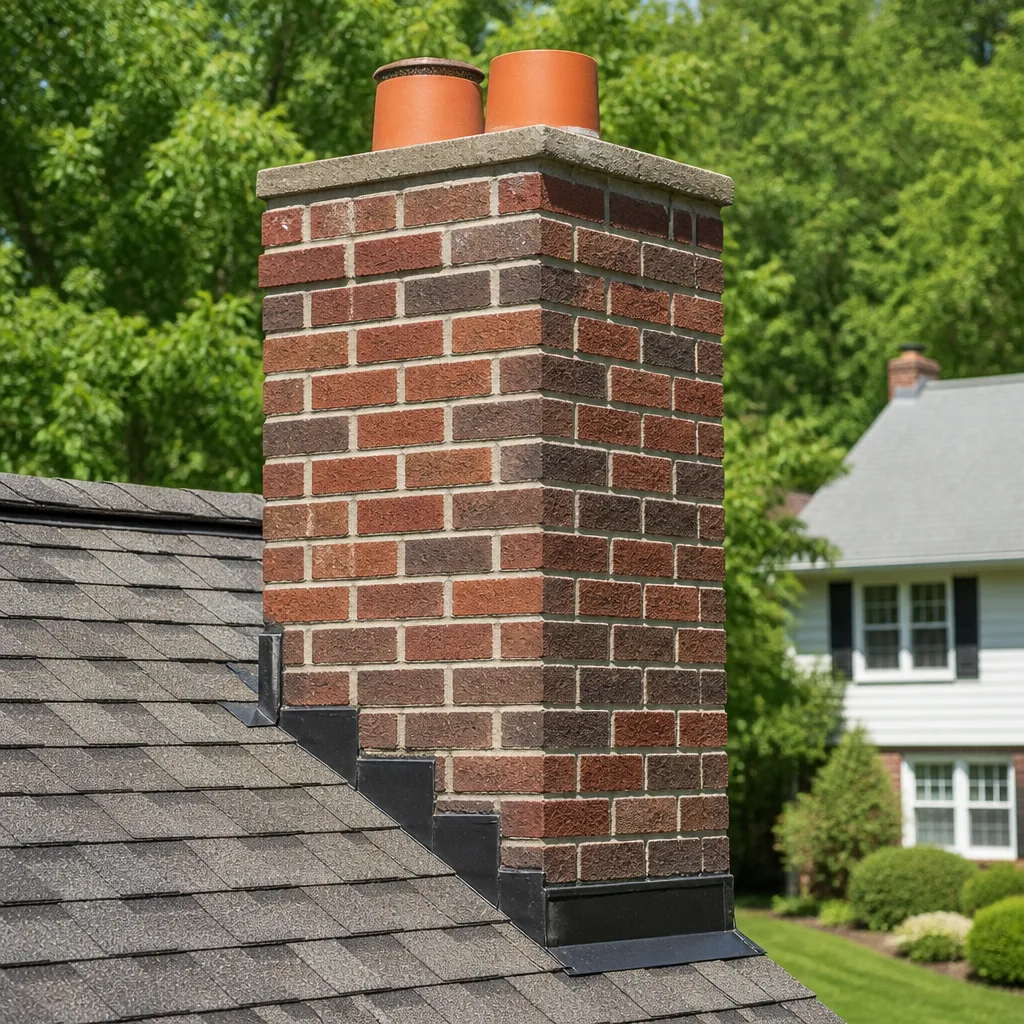 Masonry repair
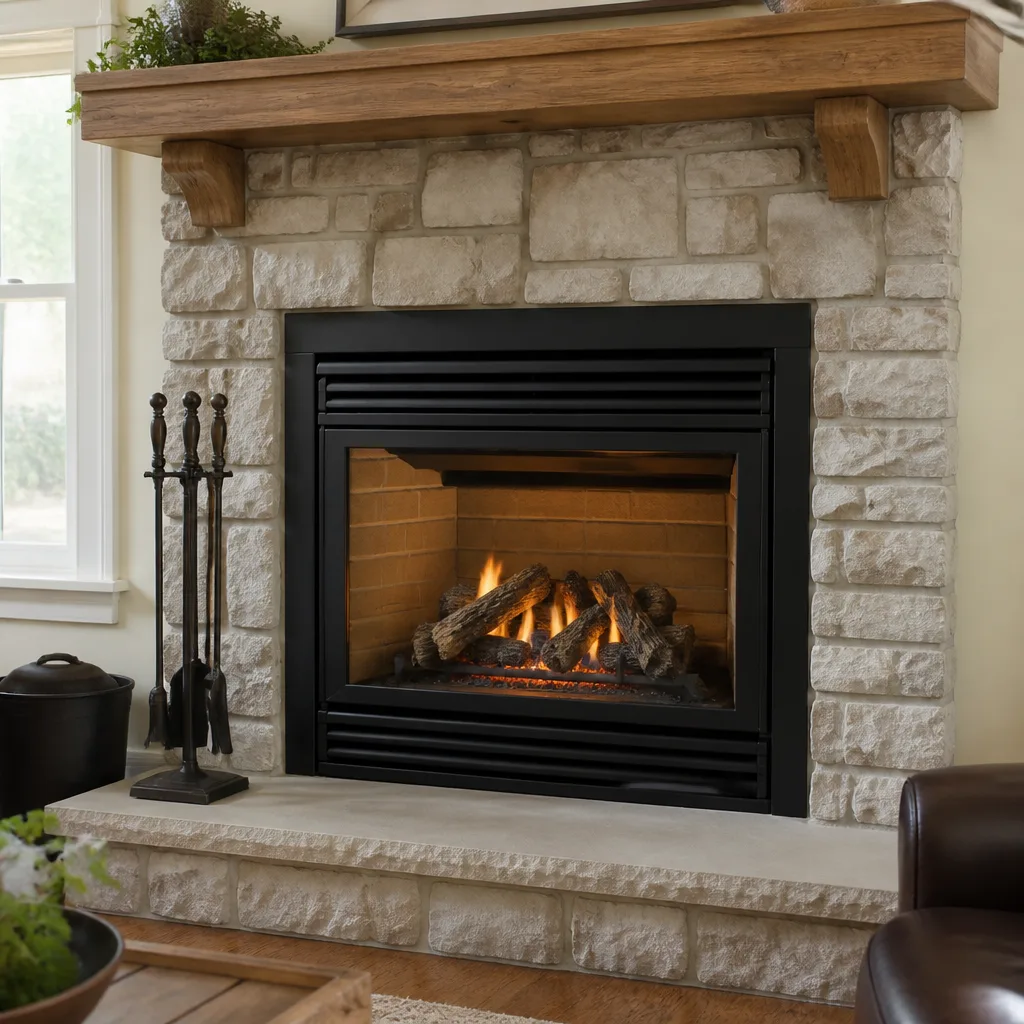 Gas fireplace service
Level 1 sweep and inspection to the NFPA 211 annual standard - flue, crown, cap, and flashing checked and photographed
Chimney sweep logs do not sweep chimneys. They loosen some creosote - which then falls where a brush and vacuum still have to collect it.
DIY vs Professional Chimney Cleaning: The Sedgefield Homeowner’s Decision Guide
Most homeowners who ask whether they can clean their own chimney are asking the wrong question. The real question isn’t whether you can push a brush up a flue – it’s whether you can push a brush up a flue and accurately judge what you’re looking at when you’re done. The cleaning itself is the easy half. The assessment is where DIY quietly falls apart, because a clean chimney that’s cracked, warped, or lined with glazed creosote is still a hazard. This guide walks through what DIY chimney cleaning actually demands, where it’s a genuinely reasonable choice, where it isn’t, and how the real costs compare for a Sedgefield homeowner. By the end you’ll know which side of that line you’re on.
Quick Answer
DIY chimney cleaning is reasonable if your chimney was professionally inspected within the last few years, you burn only well-seasoned wood on a light schedule, and you understand enough about flue construction to recognize damage when you see it. It’s the wrong call if your Sedgefield home has an unknown liner history, if the chimney hasn’t been professionally inspected in three or more years, or if there’s any sign of glazed creosote. The brush work is the smaller part of the job; the inspection is the part that keeps your home safe.
Styles & brands we work with
- Sweep & inspection
- Caps & crowns
- Flue relining
- Masonry repair
- Gas fireplace service
Table of Contents
- What DIY Chimney Cleaning Actually Requires
- What’s Outside DIY Scope, No Matter Your Skill Level
- When DIY Is the Right Call
- When DIY Is the Wrong Call
- The Real Cost Comparison
- What a Professional Chimney Sweep Includes That a Brush Kit Doesn’t
- Sedgefield Housing, Burning Habits, and Why They Matter
- Common Mistakes to Avoid
- When to Call a Professional
- Frequently Asked Questions
What DIY Chimney Cleaning Actually Requires
A proper DIY sweep is not a quick chore. Done correctly, it involves equipment most homeowners don’t own and a working understanding of what a flue is supposed to look like inside. Here’s the honest checklist.
Correct brush sizing for your flue dimension. Chimney brushes come in specific diameters, and the brush needs to match the flue, not approximate it. An undersized brush glazes over the creosote instead of removing it. An oversized brush can damage clay tile joints. You need to know your flue’s actual interior dimensions before you buy anything, which means measuring at the damper and, ideally, at the top.
HEPA containment at the firebox. Sweeping creates fine, dark dust that travels. A shop vacuum without HEPA filtration will redistribute that dust through your home. Professional setups use HEPA-filtered vacuums sealed against the firebox opening so the working area stays contained. If you’re doing this yourself, you need a genuine HEPA vacuum and a way to seal the opening around the brush and hose.
Drop cloths and a plan for the mess. Soot stains. It finds its way onto rugs, upholstery and painted walls. Every surface near the hearth needs protection before the first stroke of the brush.
The ability to read what you’re seeing. This is the part people underestimate. When you shine a light up the flue, you need to distinguish normal soot from glazed creosote, recognize a cracked tile, spot a gap in a joint, and know what a properly seated damper looks like. Without that baseline, a clean-looking flue tells you almost nothing.
Roof access, done safely. Checking the cap and crown means getting to the top of the chimney. If your roof pitch, height, or the condition of your flashing makes that unsafe, the job needs to happen from the ground with a camera or by a professional.
If you can honestly check every one of those boxes, you’re in the small group of homeowners for whom DIY is a live option. If any of them are shaky, keep reading before you buy a brush kit.
What’s Outside DIY Scope, No Matter Your Skill Level
Some parts of a chimney assessment simply cannot be replicated with homeowner tools, and no amount of skill or confidence changes that. These are the three that matter most in Sedgefield homes.
Liner camera inspection. A video camera run through the flue shows the condition of every tile joint, offsets, and any hidden damage behind bends you can’t see from either end. A light and a mirror at the damper don’t get you there. This is the single biggest gap between a DIY sweep and a professional one, and it’s the reason a professional chimney sweep includes a camera run as part of the assessment rather than an optional extra.
Smoke chamber assessment. The smoke chamber sits between the firebox and the flue, and its sloped walls collect creosote in ways that are hard to see from below. Evaluating it means getting into the firebox with proper lighting and understanding what a correctly parged chamber looks like versus one that’s deteriorating.
Crown and flashing evaluation from the roof. The crown is the concrete cap at the top of the chimney, and the flashing is where the chimney meets the roof. Both are the leading entry points for water, and water is the leading cause of chimney deterioration. You can’t evaluate either from the ground. A cracked crown or pulled flashing shows up first as a small leak and later as masonry damage, so this is a roof-level inspection, not a look-and-guess.
There’s a fourth item that sits outside DIY scope for a different reason: any repair that follows the inspection. Cracked tiles, a failed crown, deteriorated flashing – those need materials and methods most homeowners don’t have access to. When those come up, the conversation moves to what happens next, which is where a licensed local professional matters.
When DIY Is the Right Call
DIY isn’t the wrong choice for everyone, and it’s worth saying so plainly. There are real situations where a homeowner with the right background and the right chimney can sweep their own flue and come out ahead.
- The chimney was professionally inspected recently. If a sweep or inspection happened within the last couple of years and the report was clean, you know the baseline. You’re maintaining a known-good system, not discovering a problem.
- You burn lightly and seasonally. A fire on cold evenings through the winter, using dry, well-seasoned wood, produces far less creosote than heavy or continuous burning. Light use means slower buildup.
- You have a construction or trades background. If you’ve worked with masonry, framing, or flue systems and you genuinely understand what you’re assessing, the learning curve is much shorter. You know a cracked tile when you see one, and you know why it matters.
- You understand your own limits. The homeowner who calls a professional the moment something looks off is exactly the kind of person who can safely sweep their own chimney. The confidence to stop is more important than the confidence to start.
- The physical work is manageable for you. Brush rods, a vacuum, and roof access involve real physical effort. If that’s a strain, that’s information, not a personal failing.
Notice what’s not on that list: saving money. DIY is sometimes cheaper, and we’ll get to the real numbers. But deciding to sweep your own chimney primarily to avoid a service cost is where people get into trouble. The decision should be about capability, not budget.
When DIY Is the Wrong Call
The list of situations where DIY is the wrong call is longer than most homeowners expect, and in Sedgefield it comes up often because so many homes here have older chimneys with undocumented histories.
Older Sedgefield homes with unknown liner history. Sedgefield has a substantial stock of older homes, and many have had fireplace inserts added, flues relined, or chimney work done by previous owners without documentation. If you can’t say with confidence what kind of liner sits inside your chimney or when it was last evaluated, a camera inspection comes first, not a brush.
Any chimney that hasn’t been professionally inspected in three or more years. Three years is a reasonable line. If nothing professional has looked at your flue in that window, the condition of the liner is unknown, and a brush will not tell you. The inspection is the point of the visit.
Stage 2 or Stage 3 creosote. Creosote forms in stages. Stage 1 is flaky and brushes off easily. Stage 2 is sticky or hardened and resists standard brushing. Stage 3 is glazed and tar-like, and a chimney brush will skate right over it without removing it. Glazed creosote is the most combustible form and the hardest to remove. If your flue has it, DIY is not going to solve it.
Any sign of damage or draft problems. Cracks in the firebox, a damper that won’t seal, smoke rolling into the room, or a chimney that smells strongly between fires are all signals that the flue needs assessment, not maintenance.
You’re not confident about what you’re looking at. For a dangerous component like a flue, this is the honest one. If you’re not sure what a normal liner joint looks like, or you can’t tell whether a dark patch is soot or glaze, the correct move is to have someone who can.
None of this is a reason to feel bad about the question. It’s a reason to get the inspection done first, then decide about the brush.
The Real Cost Comparison
The DIY-versus-professional cost comparison is usually framed as a brush kit versus a service bill. That framing is too simple. The honest calculation has four lines: equipment, time, documentation, and the cost of a missed structural issue. Here’s how the lines break down.
| Line item | DIY approach | Professional approach |
|---|---|---|
| Equipment | Correctly sized brush, rods, HEPA vacuum, drop cloths, ladder and roof safety gear | Included in the service |
| Time | Several hours, plus setup and cleanup | Booked appointment, handled start to finish |
| Liner inspection | Limited to what’s visible from the damper | Camera run through the flue, with photos |
| Crown and flashing check | Depends on safe roof access | Evaluated as part of the visit |
| Documentation | None unless you write it yourself | Report you can keep and share with your insurer |
| Missed structural issue | Discovered later, often after water damage or a failed inspection | Identified during the visit, with options before anything is recommended |
| Estimated cost | Kit and equipment cost, plus your time | Set per job by a written estimate |
The equipment alone adds up faster than people expect. A correctly sized brush is only useful for one flue dimension, and a genuine HEPA vacuum is not an inexpensive purchase. If you already own the vacuum and you only ever sweep one chimney, the math improves. If not, the gap narrows considerably.
The line that doesn’t show up in a simple comparison is the last one. A DIY sweep removes soot; it doesn’t necessarily reveal a problem. The expensive outcomes aren’t the service bill – they’re the water intrusion that starts at a cracked crown and reaches the ceiling below, or the liner defect nobody caught until an inspection flagged it. Camera evidence you can see for yourself is the whole point of the professional visit, and it’s the part of the cost comparison that’s easiest to skip and hardest to replace.
What a Professional Chimney Sweep Includes That a Brush Kit Doesn’t
A professional sweep is a service, not a piece of equipment. That sounds obvious, but it changes what you’re actually getting for the cost. Here’s what’s included in a Chimney Sweep Sedgefield visit, and what happens before anything is recommended.
- Setup and containment. HEPA-filtered vacuum sealed at the firebox, drop cloths under the hearth, and a working area prepared before the brush goes in.
- The sweep itself. Brushes sized to your flue, worked through the full height of the chimney, with the firebox and smoke shelf cleared afterward.
- Camera inspection of the liner. A video run through the flue so you can see the condition of the tiles and joints for yourself. We don’t recommend liner work without camera evidence, and we don’t ask you to take our word for it.
- Photo report. A record of what we found, including the areas that are fine. If you sell the home or need to show an insurer, you have documentation.
- A straight answer on timing. If something needs attention, you get options and a written estimate. If it can safely wait, we say so.
That last point matters more than it usually gets credit for. The most common worry homeowners bring to a chimney visit is being told they need thousands of dollars of liner or masonry work they can’t verify. The answer is camera evidence and a written estimate, and if there’s nothing wrong, you hear that too.
When repairs do come up, the material choice is where a specialist earns the fee. For flue restoration, we use the Chimney Sweep Sedgefield team’s HeatShield ceramic resurfacing system, which can often resurface damaged clay tiles instead of replacing the entire liner. For full relining, we install DuraFlex flexible stainless-steel liner systems. Both are professional-grade brands chosen because they’re what certified chimney specialists use nationwide, not because they’re the cheapest option on a shelf. Whether resurfacing or full relining makes sense depends on what the camera shows.
Sedgefield Housing, Burning Habits, and Why They Matter
The DIY-versus-professional question doesn’t play out the same way everywhere, and in Sedgefield the local factors push toward more inspection, not less.
The housing stock here matters. Sedgefield has a significant number of older homes, and older chimneys have longer histories. A fireplace insert added in the 1990s, a liner replaced at some point without a record, a crown patched by a previous owner – these are common and mostly benign, but they mean the liner condition is genuinely unknown until someone looks. Unknown history is a reason to inspect, not a reason to brush and hope.
Burning habits matter too. This part of North Carolina gets a real winter, and the shoulder seasons bring long stretches of cool evenings where the fireplace runs lightly. Light, intermittent burning with well-seasoned wood produces less creosote than heavy continuous burning, which is good news for DIY-eligible homeowners. But intermittent burning also means fires burn cooler at the start and end of each session, and cool fires are the ones that deposit creosote in the first place. The buildup is slower, not absent.
Wood choice is the variable homeowners control most. Seasoned wood, split and dried properly, burns hot and clean. Green or unseasoned wood produces more smoke and more creosote regardless of how careful you are with the brush. If you’re doing your own maintenance, the single best thing you can do for your flue is burn dry wood.
Water is the other local factor. Sedgefield’s wet season puts real stress on chimney exteriors, and the crown and flashing are where water gets in. A cracked crown or pulled flashing is easy to miss from the ground and obvious from the roof. That’s why chimney cap & crown work is often the first recommendation we make on a Sedgefield home – it’s the cheapest point to intervene before water reaches the masonry.
Common Mistakes to Avoid
We’ve seen the same handful of errors come up across chimney assessments, and most of them are avoidable with a little planning.
- Buying a brush without measuring the flue. A generic brush in the wrong diameter either glazes the creosote or damages the tiles. Measure at the damper first, and match the brush to the dimension.
- Sweeping with a shop vacuum instead of a HEPA unit. Standard vacuums blow fine soot back into the room. Filtration is not a detail you can skip.
- Sweeping a chimney that’s never been inspected. This is the most common one. Cleaning a flue with an unknown liner condition is maintenance on something you haven’t assessed. Inspection comes first.
- Assuming a clean flue means a safe flue. The flue can look spotless from below and still have a cracked tile or a failed joint two feet up. A camera run is the difference, and that’s professional work.
- Skipping the crown because it “looks fine” from the yard. Crown cracks start small and are invisible from the ground. By the time water shows up inside, the repair is bigger. Roof-level evaluation is part of the visit.
- Ignoring a smell between fires. A strong chimney smell in damp weather usually points to creosote or moisture inside the flue. It’s worth assessing rather than masking.
- Burning unseasoned wood to save on firewood costs. The savings are offset by faster creosote buildup and more frequent sweeping. Dry wood is cheaper over a season than it looks.
If you’re unsure whether any of these apply to your home, the safest move is an inspection. You’ll know what you’re working with, and you can decide about the brush afterward.
When to Call a Professional
Call a professional if any of the following is true: your chimney has never been inspected or hasn’t been inspected in three or more years; you’ve moved into a Sedgefield home and don’t know the liner history; you see glazed or tar-like creosote; you’ve noticed smoke rolling into the room, a damper that won’t seal, or cracks in the firebox; there’s water staining anywhere near the chimney or ceiling; or you’d rather have camera evidence and a written record than a brush and a guess. Those are the situations where the inspection is the actual job.
If you’re on the fence, that’s a reasonable place to be. Chimney Sweep Sedgefield offers free estimates in Sedgefield – call (855) 726-7779. We answer 24/7. Fast dispatch from 7am to 7pm, Sunday through Friday. You’ll get a straight read on your chimney, camera photos you can see, and a clear answer on whether anything needs doing now or can safely wait.
Frequently Asked Questions
Yes, if your chimney was professionally inspected recently, you burn lightly with well-seasoned wood, and you understand enough about flue construction to spot damage. If your liner history is unknown or it’s been three or more years since an inspection, get the inspection first – cleaning without assessment is the part that creates risk. Call (855) 726-7779 for a free estimate and we’ll help you decide which side of that line you’re on.
The general guidance is once a year for a chimney in regular use, and more often if you burn heavily or burn unseasoned wood. The annual visit is as much about inspection as cleaning. A chimney that looks fine from below can still have liner or crown issues that only a camera and a roof-level check will catch.
Creosote accumulates, and in its glazed form it’s the most combustible stage of buildup. A flue with heavy creosote is a fire risk, and a fire in the flue can spread into the structure. Separately, a blocked or damaged flue can let combustion gases back into the home, which is a carbon monoxide concern. Neither risk is visible from the living room, which is why the annual inspection matters as much as the sweep.
You need it if the liner condition is unknown. A camera run is how you see the tile joints, offsets and hidden sections of the flue – areas a light and mirror can’t reach. It’s the difference between maintenance and assessment. We don’t recommend liner work without camera evidence, and you get to see the photos yourself before anything is decided.
Sometimes, but less than people expect. A correctly sized brush, rods, a genuine HEPA vacuum and roof safety gear add up, and the kit doesn’t include a liner inspection, crown check, or a written report. The professional visit includes all of those, plus a straight answer on whether anything needs work. Call (855) 726-7779 for an exact quote – estimates are free.
That’s the most common situation we encounter in Sedgefield, and it’s the clearest case for a professional visit. Unknown liner history means the flue needs to be evaluated before anyone sweeps it. A camera inspection establishes the baseline, and from there you can decide whether DIY maintenance makes sense going forward. Call (855) 726-7779 to book an inspection.
The Bottom Line
DIY chimney cleaning is a legitimate option for a narrow group of homeowners: those with a recently inspected chimney, light seasonal use, dry wood, and enough construction knowledge to recognize damage. For everyone else – and especially for older Sedgefield homes with unknown liner history – the inspection is the real job, and a brush without one is maintenance on a system nobody has assessed. The cost comparison isn’t brush kit versus service bill. It’s time and equipment versus camera evidence, a crown check, and a written report. If you’re not sure which side you’re on, get the inspection. You’ll know.
Chimney Sweep Sedgefield works on residential fireplaces and chimneys, from routine sweeping through liner repair, cap and crown work, and structural chimney repair – one crew, start to finish, with materials from DuraFlex, HeatShield, Gelco, Olympia Chimney, Famco and Copperfield. Our technicians have up to 9 years of experience. For fireplace issues alongside chimney work, we handle fireplace repair as well, and our chimney sweep visit includes the camera inspection and photo report.
Call (855) 726-7779 for a free estimate. We answer 24/7. Fast dispatch from 7am to 7pm, Sunday through Friday. Nothing is recommended without camera evidence you can see for yourself, and if your chimney can safely wait, we’ll tell you that too.
Written by the team at Chimney Sweep Sedgefield.
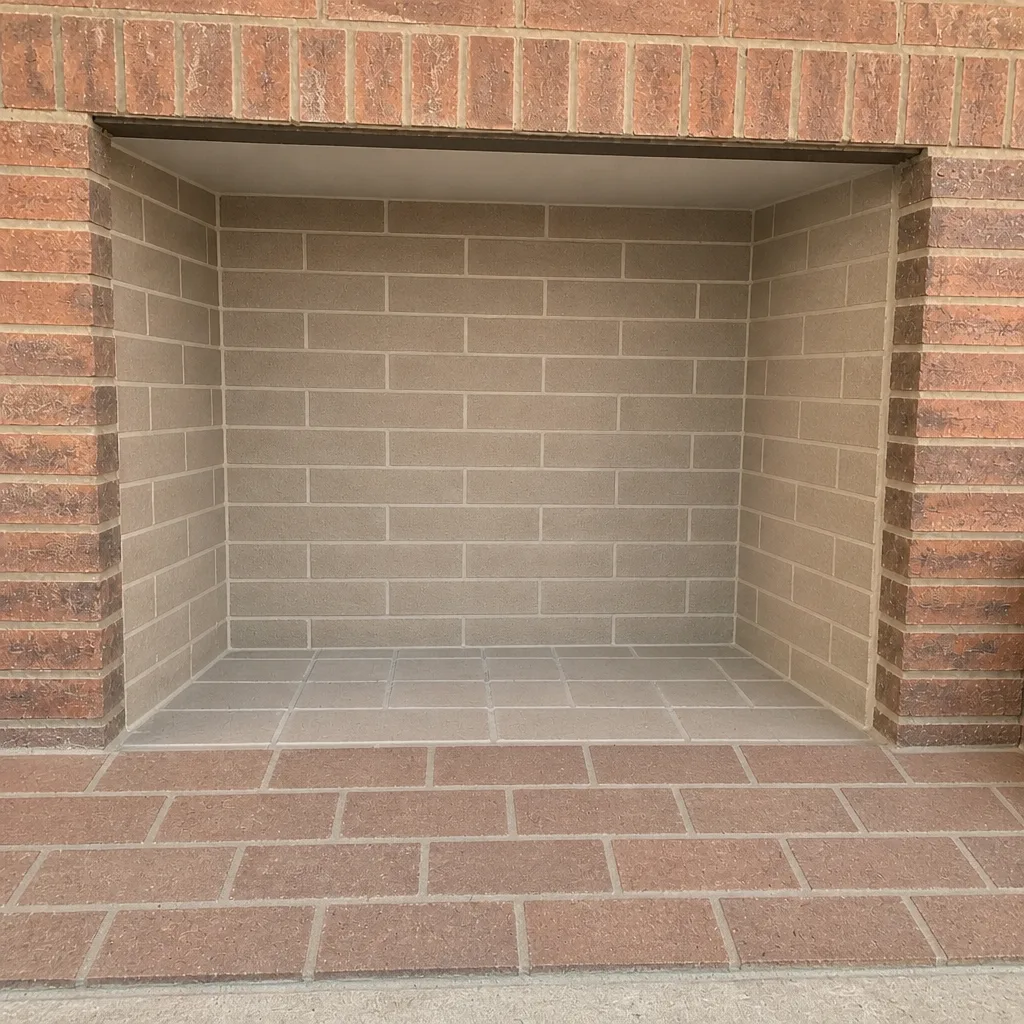
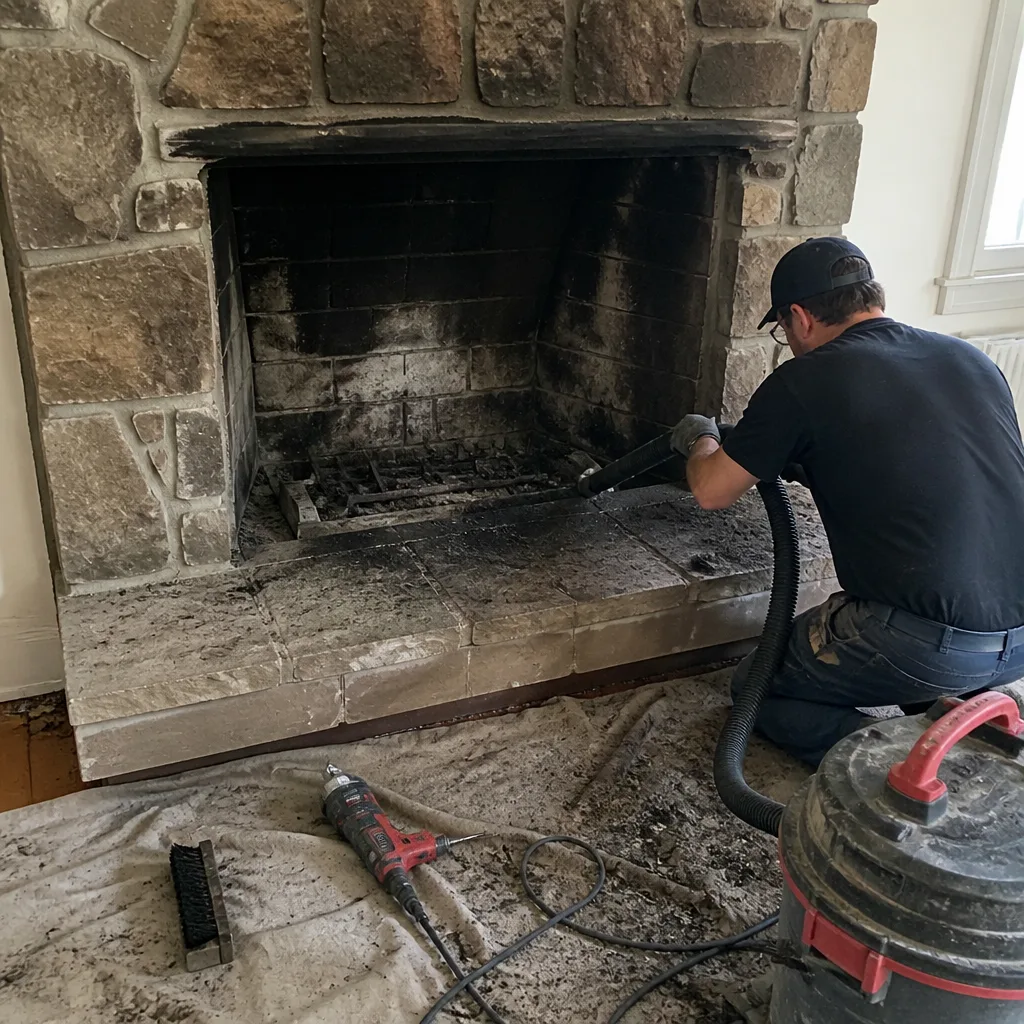
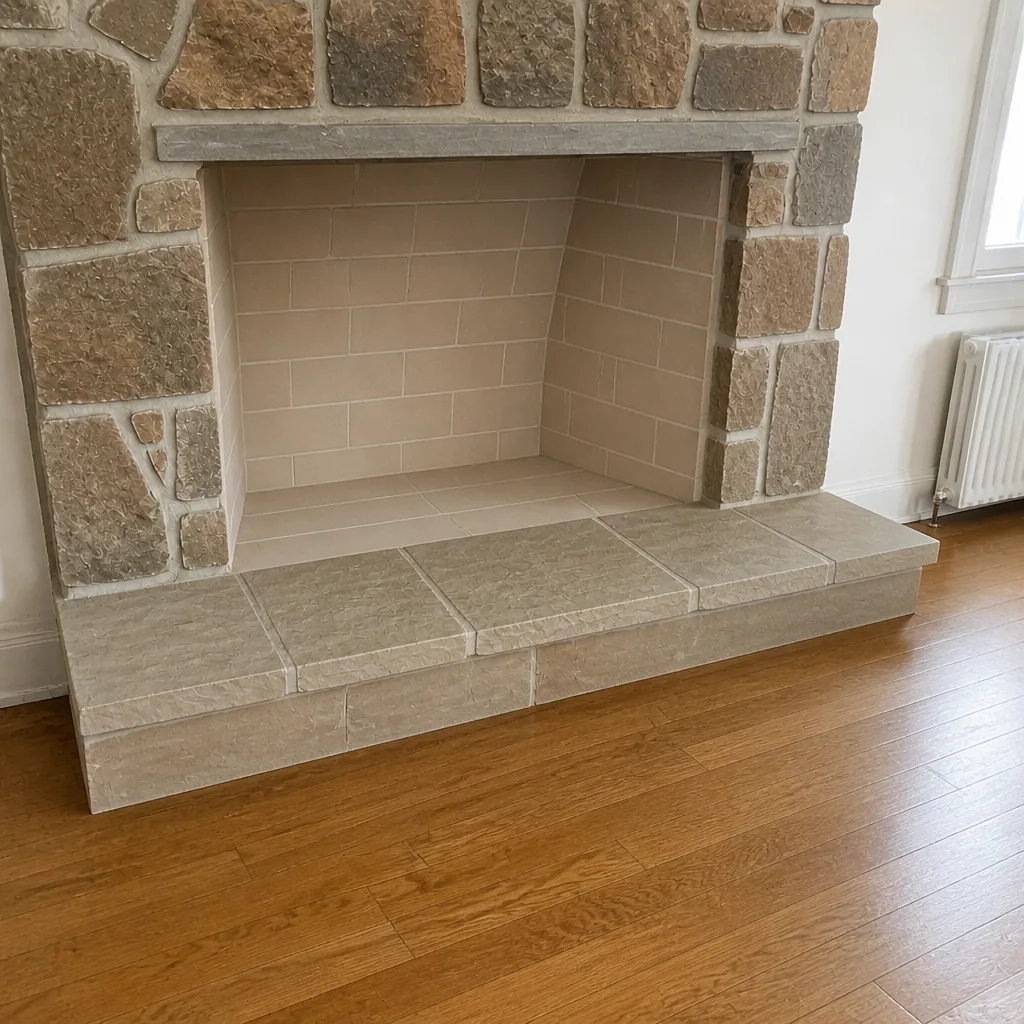
See the difference
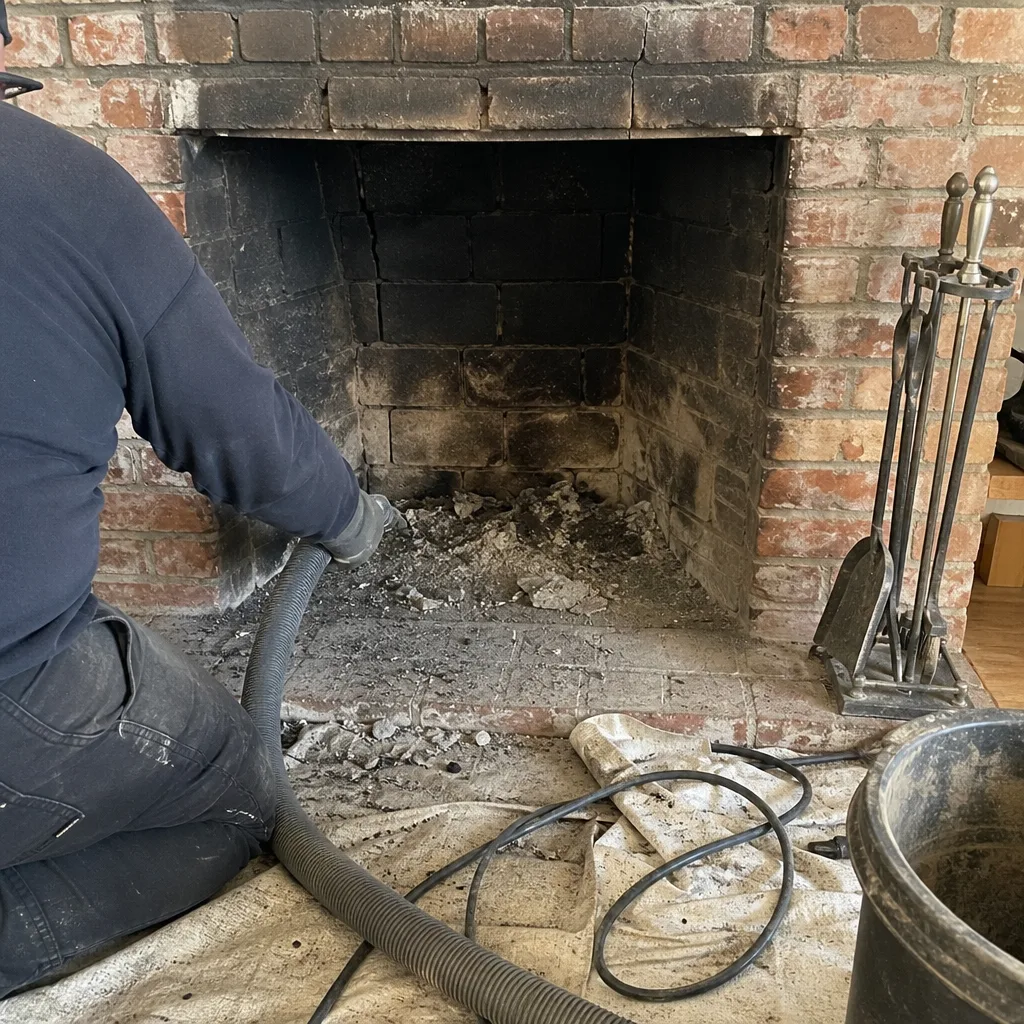 Before
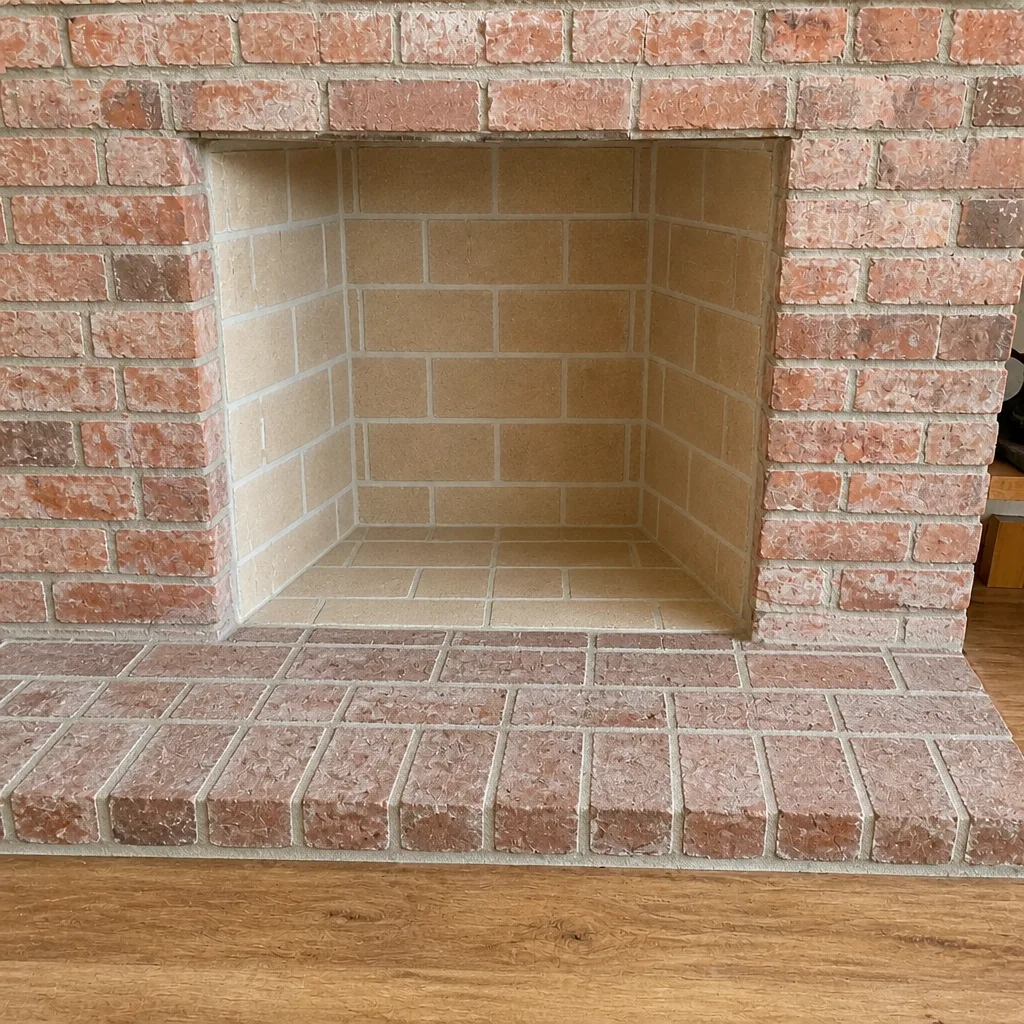 After
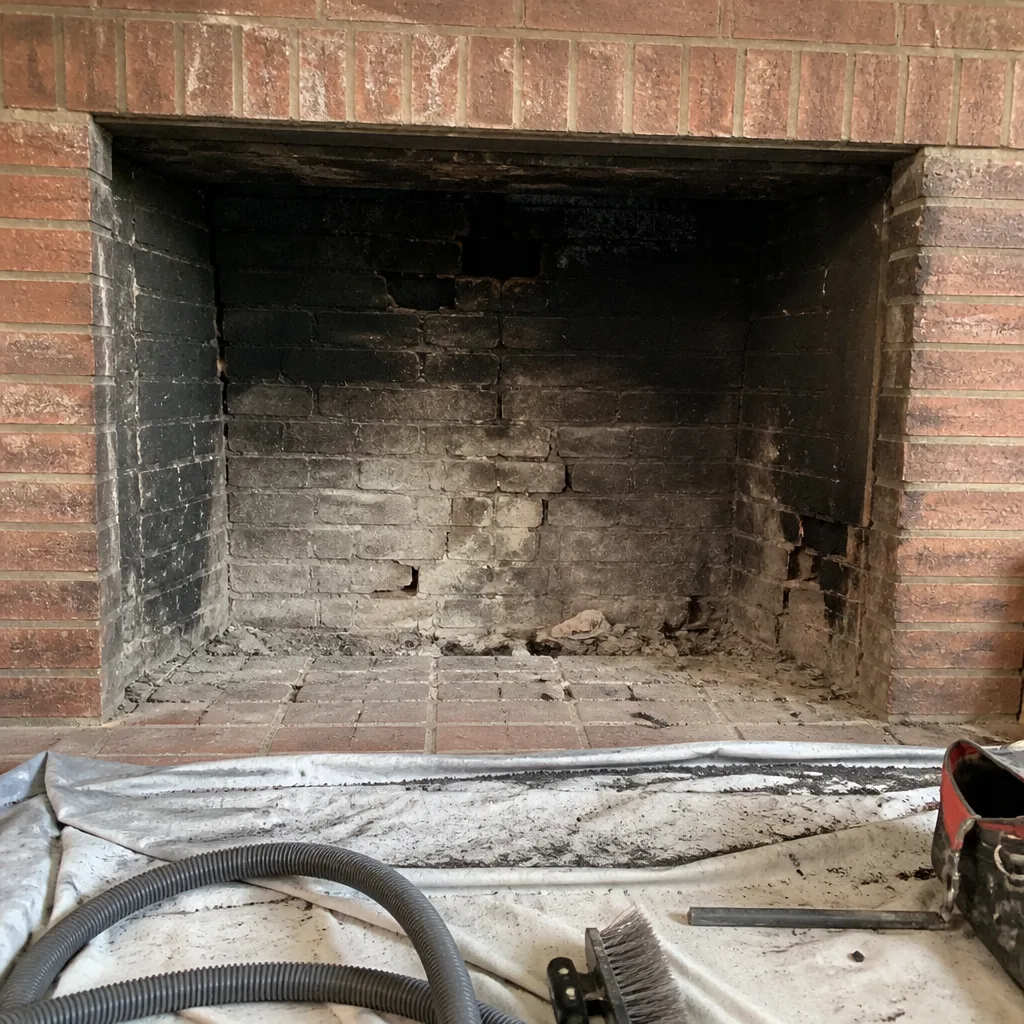 Before
 After
 Before
 After