
Last updated November 25, 2026
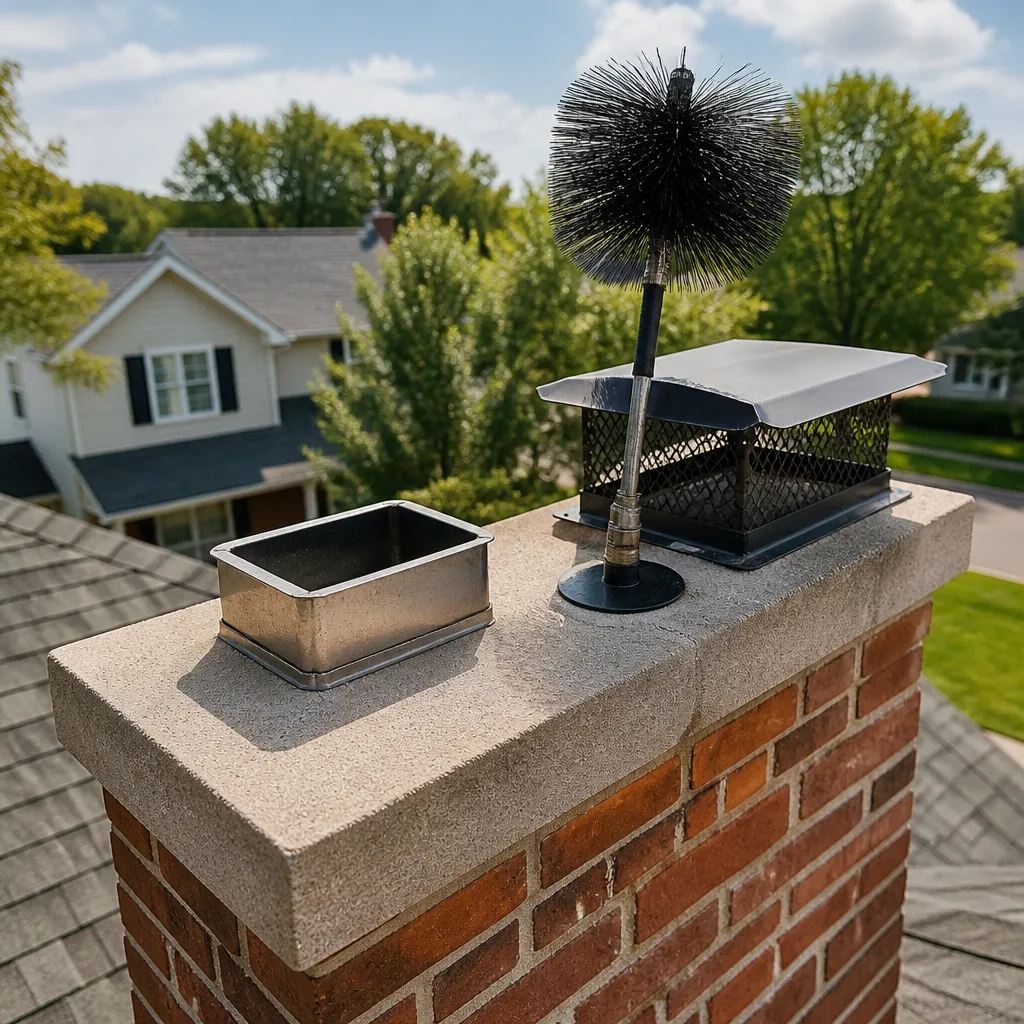 Sweep & inspection
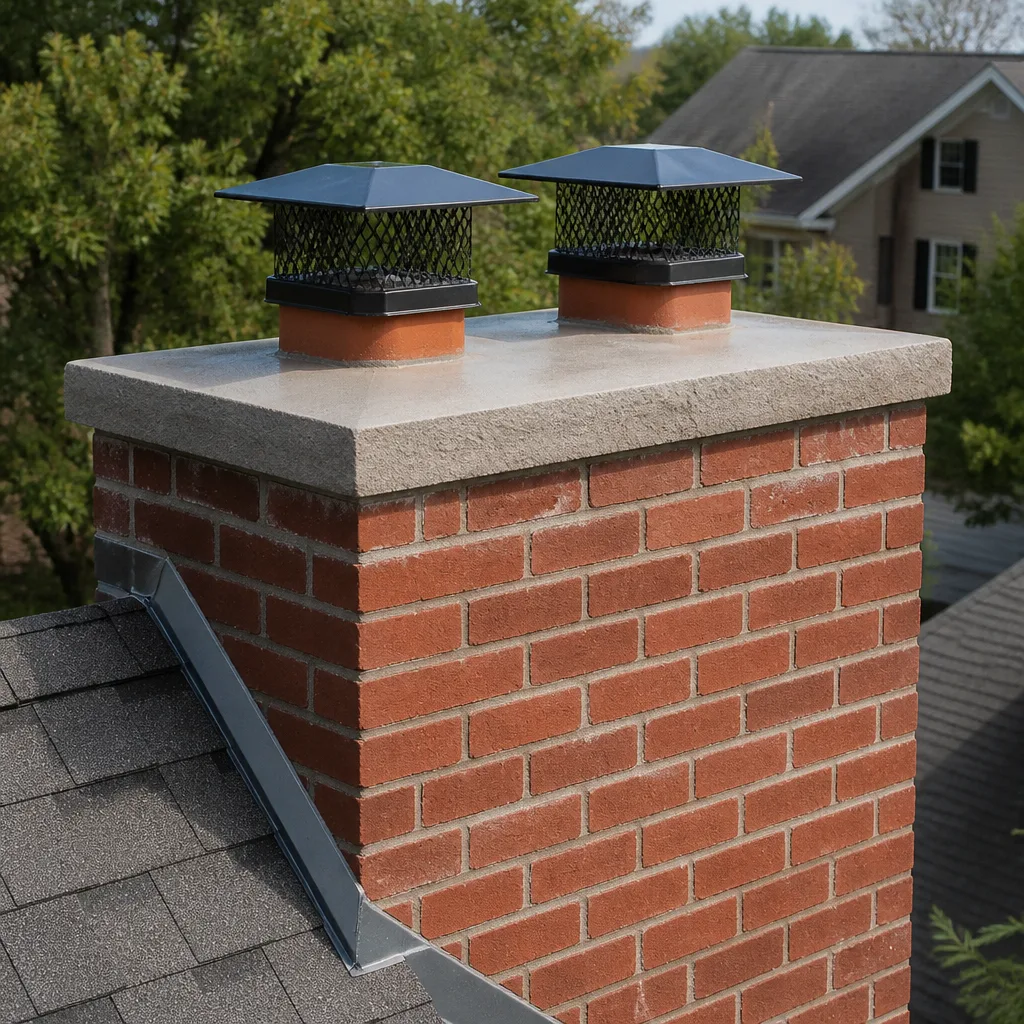 Caps & crowns
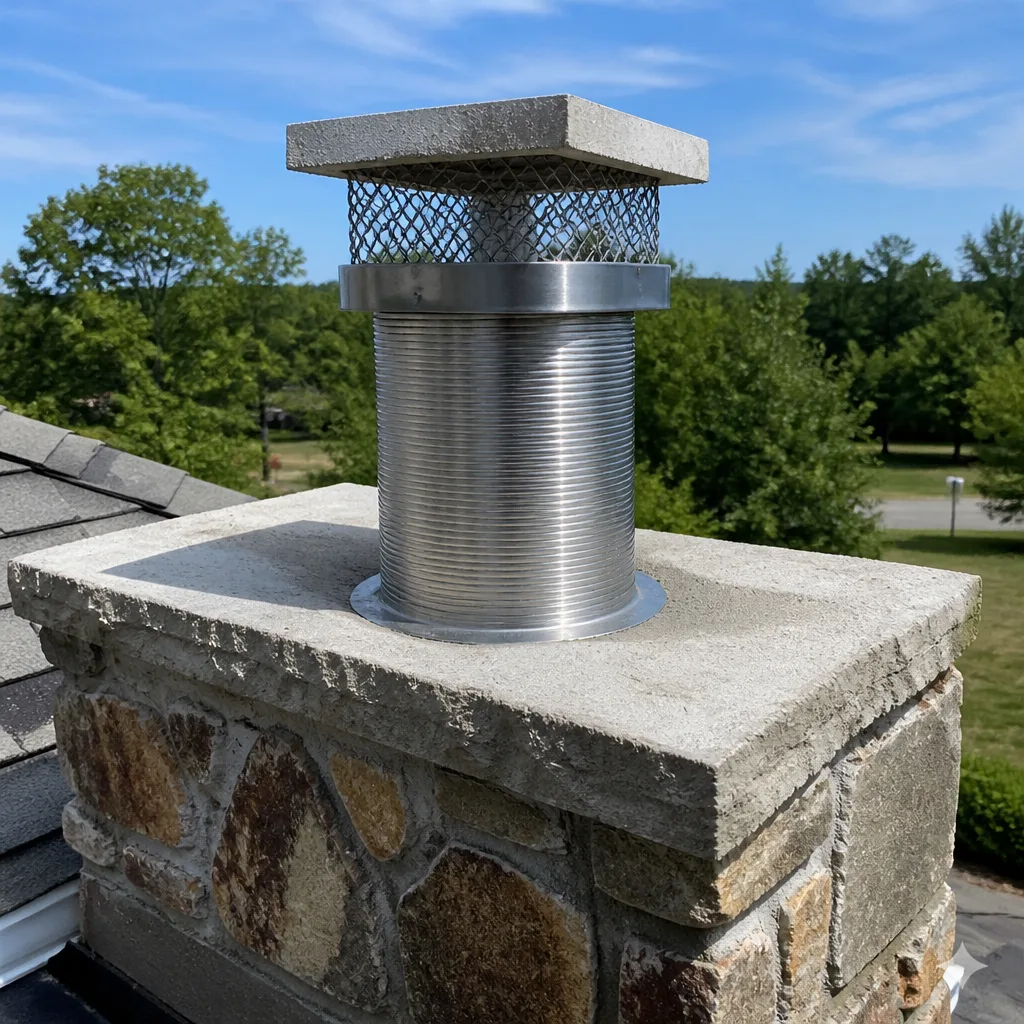 Flue relining
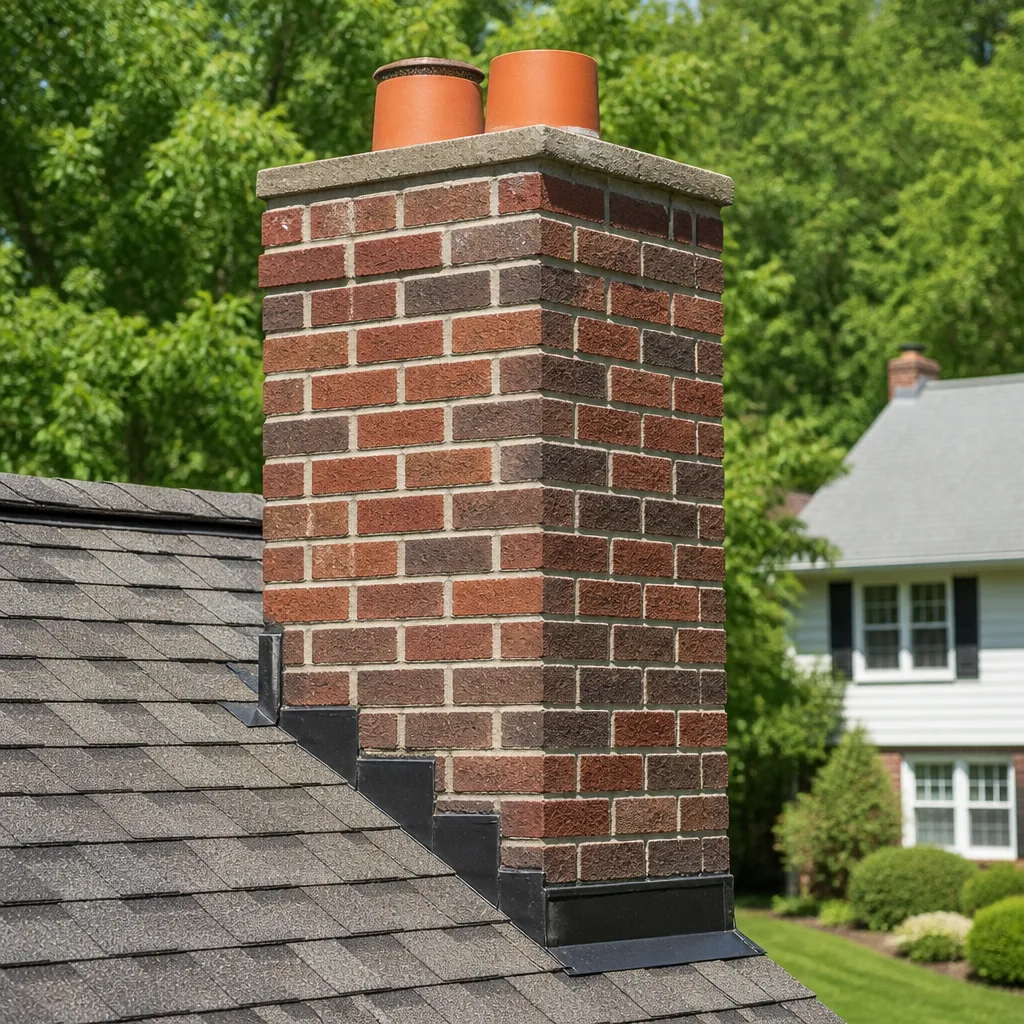 Masonry repair
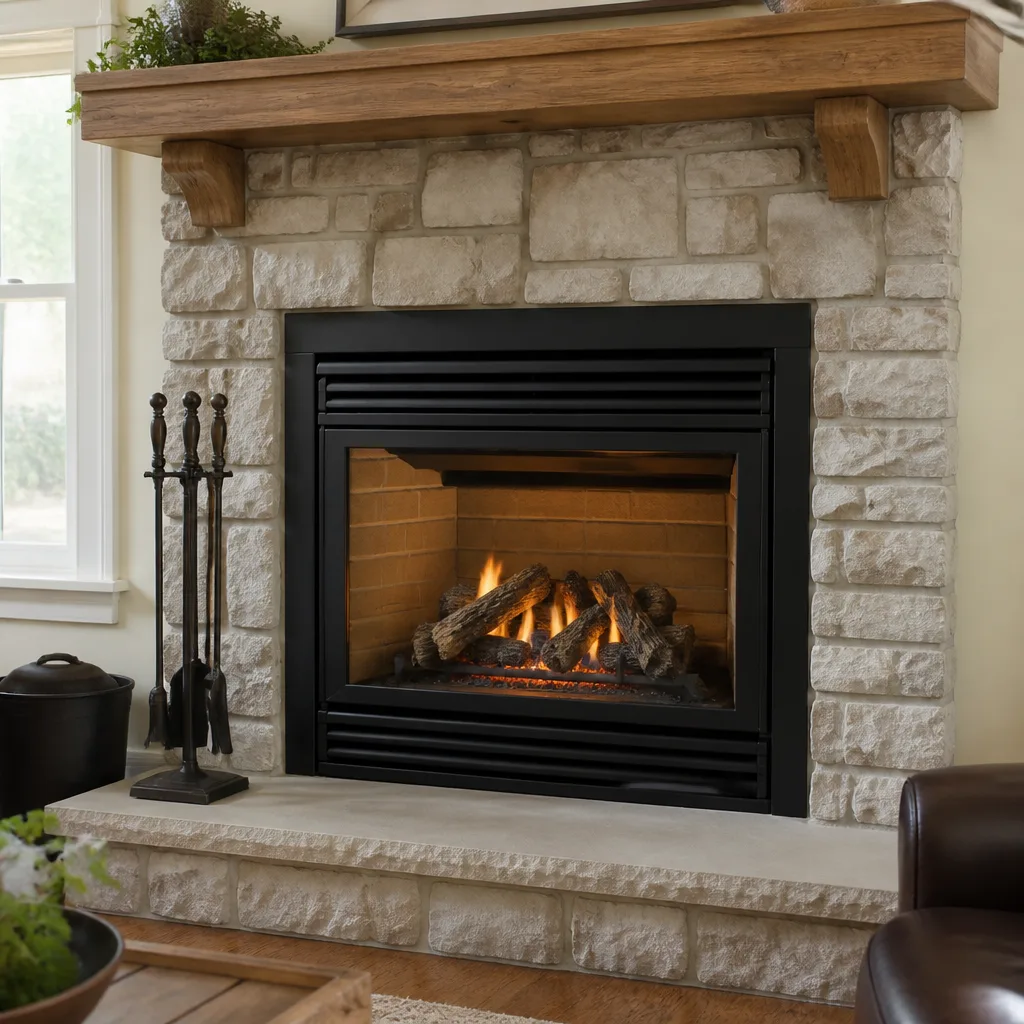 Gas fireplace service
Level 1 sweep and inspection to the NFPA 211 annual standard - flue, crown, cap, and flashing checked and photographed
Chimney sweep logs do not sweep chimneys. They loosen some creosote - which then falls where a brush and vacuum still have to collect it.
Chimney Cleaning Cost Breakdown: The Sedgefield Homeowner’s Reference for 2026
A $99 chimney sweep special and a $299 professional cleaning can both be honest prices for what they include. The problem is that most homeowners never learn what the $200 gap actually buys, so they end up comparing the wrong number and choosing the wrong job. Chimney cleaning in Sedgefield isn’t a single product with a single price. It’s a scope of work that changes with your flue type, your liner, your roof, and how much creosote has built up since the last sweep. This guide breaks down what drives the 2026 cost, what a fair quote looks like line by line, and what skipping the work eventually costs.
Quick Answer
A standard single-flue fireplace cleaning in Sedgefield typically runs $150 to $300 in 2026, while a wood stove or a stainless-lined flue generally falls in the $225 to $400 range. Stage-two creosote removal and difficult roof access push those numbers higher. The written estimate you receive should itemize each element, because the difference between quotes is almost always scope, not honesty.
Styles & brands we work with
- Sweep & inspection
- Caps & crowns
- Flue relining
- Masonry repair
- Gas fireplace service
Table of Contents
- What actually determines chimney cleaning cost in Sedgefield?
- Single-flue fireplace vs. wood stove vs. gas or oil flue: three different jobs
- What legitimately adds to a quote (and what never should)
- Creosote stages 1, 2 and 3: why remediation prices jump
- The cost of skipping cleaning: deferred maintenance math
- How to get a binding written estimate in Sedgefield
- 2026 Sedgefield pricing at a glance
- Common mistakes to avoid
What actually determines chimney cleaning cost in Sedgefield?
Chimney cleaning cost in Sedgefield in 2026 is set by four variables: flue type, liner material, chimney height and access, and the stage of creosote present. Of those, creosote stage and access account for most of the spread between a low quote and a high one. A straightforward cleaning on a single-story home with a rear-venting fireplace and a roof you can reach with a standard ladder is a shorter job than a two-story exterior chimney with a steep roof pitch and a decade of stage-two glazing inside the flue. The labor is the same trade skill in both cases; the time and equipment are not.
Sedgefield’s housing stock runs from older in-town homes near the Sedgefield community area out toward newer construction on larger lots. Older chimneys tend to have unlined or clay-tile flues with offset sections, mortar that has had more seasons to work loose, and fireboxes that have seen more fires. We’ve found that these properties rarely need just a cleaning. They need someone to look at the whole system at the same time, which is exactly why our Chimney Sweep Sedgefield approach bundles cleaning and inspection into a single visit rather than treating them as separate line items from separate companies.
The local climate matters too. Sedgefield sits in the North Carolina Piedmont, where winters swing between mild stretches and hard cold snaps. That pattern means chimneys get used hard for a few weeks and then sit idle, which is gentler on creosote formation than constant low smoldering, but it also means the first fire of the season can catch up a flue that was never fully cleaned the season before. A sweep booked before the first cold week is the practical answer, not a sweep in January when the phone lines are busy.
Single-flue fireplace vs. wood stove vs. gas or oil flue: three different jobs
The word “chimney cleaning” hides three distinct jobs with three different scopes, and Sedgefield homeowners compare prices across them without realizing it. Here’s how they break down.
Standard single-flue fireplace
This is a masonry fireplace with one flue serving one firebox. The work involves brushing the flue, removing soot and creosote from the smoke chamber and smoke shelf, cleaning the firebox and damper, and checking the cap and crown. It’s the most common residential job in Sedgefield and the one most people mean when they say “a sweep.”
Wood stove and insert flue
A wood stove or insert often runs through a stainless steel liner inside the existing chimney, and the firebox itself has baffles, a flue collar, and sometimes a catalytic element that need to come into the cleaning process. This is a longer job, requires different brushes, and costs more because the technician is working around components that can be damaged if handled carelessly. We use DuraFlex flexible stainless liners for relining because they’re designed for exactly this kind of installation, and the same quality standard applies when we clean one.
Gas and oil appliance flues
Gas and oil flues don’t carry wood creosote, but they carry their own problems: sulfur residues, soot deposits, and condensate that eats away at masonry over time. These flues need different cleaning tools and different inspection criteria, and a company that only handles wood fireplaces shouldn’t be quoting on them. If your home has a gas log set or an oil-fired appliance venting through a chimney, ask specifically whether the quote covers that flue. A quote that treats all flues the same is a quote worth questioning.
What legitimately adds to a quote (and what never should)
Some elements genuinely raise a chimney cleaning quote, and some are red flags. Knowing which is which is the whole point of getting the written estimate in hand.
Legitimate additions to a Sedgefield cleaning quote:
- Chimney height and exterior access. A chimney on a two-story exterior wall with a steep roof pitch takes longer, requires roof-safe equipment, and may need an additional technician for safety.
- Liner type. A clay-tile flue cleans differently than a stainless liner. Stainless liners need the correct brush material and a careful pass to avoid tearing the surface; clay tiles need a harder brush and inspection for spalling afterward.
- Stage of creosote. Stage-one creosote (light, flaky soot) is a straightforward brush-and-vacuum. Stage-two (glazed, tar-like) requires chemical treatment and more time. Stage-three (hard, glazed, dense) can require rotary cleaning and may call for a professional assessment of the flue’s condition before cleaning can even proceed.
- Debris or animal nesting removal. If a cap has been missing or failed, a flue can hold leaves, twigs, or nesting material, and clearing it is real work.
- Camera inspection. A proper inspection with a video camera and a photographic record of what the technician saw is not a courtesy add-on; it’s the evidence that supports any recommendation. On a full-service job, that inspection and photo report are included, not billed separately.
What should never appear on a Sedgefield quote:
- Undisclosed “inspection fees.” A fee that appears on the final invoice but wasn’t in the written estimate is not acceptable practice. The scope and the price should match.
- Upsells triggered by vague “blockage” claims. If someone tells you there’s a blockage that requires immediate additional work, ask to see the camera footage. If they can’t produce it, the claim is not verified.
- “Emergency” surcharges on a scheduled cleaning. A cleaning you booked is not an emergency, and the price shouldn’t shift once the work is scheduled.
- Replacement recommendations without evidence. A liner that can be resurfaced with a ceramic system like HeatShield doesn’t need to be torn out and replaced, and a technician who recommends replacement without showing you the spalling or cracking on camera has not made the case.
Creosote stages 1, 2 and 3: why remediation prices jump
Creosote is the reason chimney cleaning isn’t a flat fee, and it’s the single biggest variable in a Sedgefield quote. It accumulates in three recognizable stages, and each one requires a different level of effort.
- Stage one: light, flaky soot. This is the normal, expected buildup after a season of fires. It brushes off with a standard flue brush and vacuums out cleanly. Remediation cost is baked into a standard cleaning price.
- Stage two: glazed, tar-like deposits. These form when the fire burns cool or smolders, leaving unburned material to condense on the flue walls. Stage-two creosote is sticky and resists a dry brush. It requires chemical treatment and a longer cleaning cycle, and it’s where quotes start to climb.
- Stage three: hard, glazed, densely packed deposits. This is the most serious stage, and it can’t be resolved with a standard sweep. It often requires rotary cleaning equipment and a full inspection to determine whether the flue surface underneath is still sound. A technician who claims to have removed stage-three creosote in a short visit without showing you camera evidence of the before and after should be questioned.
We’ve seen the difference between stage-one and stage-three remediation in time and equipment on Sedgefield jobs, and it’s substantial. The point of an accurate quote is to give you the number that reflects the actual stage of your flue, not the number that wins the comparison. That’s why the estimate is free and the scope is determined by what the technician finds, not by a headline price.
The cost of skipping cleaning: deferred maintenance math
Skipping an annual cleaning doesn’t save money. It relocates the cost to a repair bill, and the repair bill is larger and arrives at a worse time. A standard cleaning is one thing; a spalled clay-tile section that has to be resurfaced or a smoke chamber that has deteriorated to the point of needing repair is another entirely.
What skipped cleaning typically produces in Piedmont homes:
- Spalled liner sections. Creosote holds moisture against the clay tile, and repeated freeze-thaw cycles break down the tile face. A flue with spalling sections can sometimes be resurfaced with HeatShield’s ceramic restoration system rather than fully replaced, which is a real cost difference.
- Smoke chamber deterioration. The smoke chamber is the transition area above the damper. Soot and creosote accumulate there faster than in the flue, and the corbelled brickwork erodes. Repairing it before it fails is vastly cheaper than rebuilding it after.
- Chimney fire damage. A chimney fire doesn’t always announce itself loudly. It can burn inside the flue and damage the liner without the homeowner realizing it happened. The safety concern here isn’t hypothetical, and it’s the reason a proper sweep and camera inspection matters. If you suspect a chimney fire has occurred at any point, don’t burn again until a professional has inspected the flue.
- Water intrusion at the cap and crown. A failed crown cracks and lets water into the masonry, which accelerates every other problem. This is why we treat cap and crown work as its own specialty and offer it as a standalone service, separate from a routine cleaning, when the inspection shows that’s where the actual problem is.
The framing that helps most Sedgefield homeowners is this: the annual cleaning is the maintenance number. The repair number is what you pay when the maintenance hasn’t happened. The gap between the two is where the real cost of skipping lives.
How to get a binding written estimate in Sedgefield
A binding written estimate is a document that states the scope of work, the price, and what happens if the technician finds more than expected. Getting one is a process, and it’s the single most useful thing a homeowner can insist on before any cleaning begins.
- Ask for the estimate before booking the cleaning. The estimate should be based on a look at the chimney, not on a phone description alone. Camera inspection and a photo report are the basis for any recommendation.
- Confirm what’s included. The line items for a standard Sedgefield residential cleaning should include the flue brushing, the smoke chamber and smoke shelf, the firebox and damper, the cap and crown check, and the camera inspection with photo documentation.
- Confirm what’s explicitly excluded. Creosote remediation beyond stage one, any liner work, and any masonry repair should be named as separate items with their own price ranges, not left open-ended.
- Ask what happens if more is found. A good scope includes a clear process: the technician stops, shows you the camera evidence, explains what the additional work involves and what it costs, and waits for your approval before proceeding.
- Keep the estimate for comparison. A written estimate is the only fair way to compare quotes. Comparing two verbal prices is comparing two different descriptions of the same word.
When you’re ready, call (855) 726-7779. We answer 24/7. Fast dispatch from 7am to 7pm, Sunday through Friday. The estimate itself is free, and the price is set per job by the written estimate, not by a phone guess.
2026 Sedgefield pricing at a glance
These are typical estimated ranges for Sedgefield-area residential work in 2026. The written estimate sets the final price, and the number can move up or down depending on access and conditions at the chimney.
| Service | Typical estimated range | What drives the number |
|---|---|---|
| Standard single-flue fireplace cleaning | $150 – $300 | Flue length, access, stage-one buildup |
| Wood stove or insert flue cleaning | $225 – $400 | Stainless liner type, baffle access, buildup stage |
| Gas or oil appliance flue cleaning | $175 – $325 | Residue type, appliance configuration |
| Stage-two creosote remediation | $300 – $600 | Chemical treatment time, flue length, equipment |
| Camera inspection with photo report | Included in the sweep | Scope-based, not billed separately |
| Cap or crown repair / replacement | Quoted per job | Size, material, degree of damage |
| HeatShield flue resurfacing | Quoted per job | Number of damaged tile sections, flue dimensions |
Two things worth flagging about this table. First, the cap and crown and the flue resurfacing lines are deliberately quoted per job rather than as a range, because the size and condition of the chimney change the work too much to give a fair single range. Second, a quote that lands well below the bottom of any of these ranges for the corresponding work is worth examining. It may be a legitimate price for a smaller or simpler job, or it may be a price that doesn’t cover the scope. The written line items will tell you which.
For the work that sits outside a routine cleaning, we work with a curated set of professional-grade brands. HeatShield allows us to resurface damaged clay flue tiles instead of replacing the whole liner, which keeps the cost of restoration well below a full reline. DuraFlex flexible stainless steel liner systems handle the jobs that genuinely do need relining, and they’re installed as long-term solutions, not temporary patches. Olympia Chimney and Famco supply the caps and components that protect the top of the chimney from the water intrusion that causes the most structural deterioration. We name these brands because the material choice is the reason a repair holds up, and a homeowner comparing quotes deserves to know what’s going into their chimney.
Common Mistakes to Avoid
- Comparing quotes on price alone. A $99 quote and a $299 quote may describe genuinely different scopes. Compare the line items, not the totals. The total without the scope is a number without meaning.
- Accepting a “blockage” diagnosis without camera evidence. If a technician says you have a dangerous blockage, ask to see the footage. Any recommendation about your flue should come with a photo or video you can look at yourself.
- Scheduling the sweep after the first cold week. The Piedmont’s first hard cold snap is when everyone calls at once. Book the cleaning before the burning season, not after the first fire has already gone up a dirty flue.
- Skipping the inspection because the cleaning “looked fine.” A clean flue and a sound flue are different things. The camera inspection is where the real findings show up, and it’s why we don’t sell it as an add-on.
- Letting a missing or damaged cap go unrepaired. A failed cap is the entry point for water, animals, and debris, and it’s often the cheapest thing on the list to fix before it becomes the most expensive.
- Assuming a gas fireplace doesn’t need attention. Gas flues carry their own residues and condensate, and they need inspection on the same seasonal rhythm as wood-burning flues.
- Hiring a sweep who doesn’t do the repair work. When the sweep vendor and the masonry repair are two different companies, the diagnosis and the fix get separated, and nobody owns the outcome. A single company handling every stage avoids that gap.
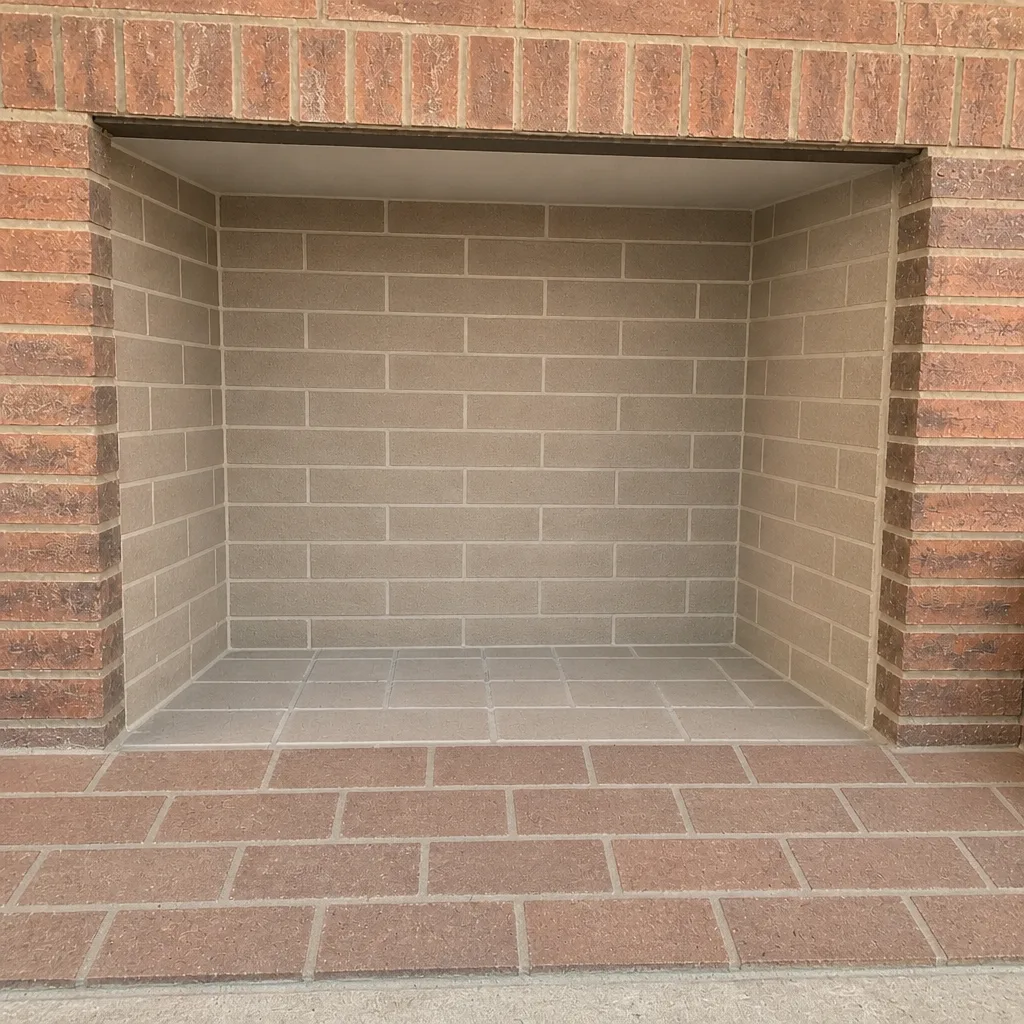
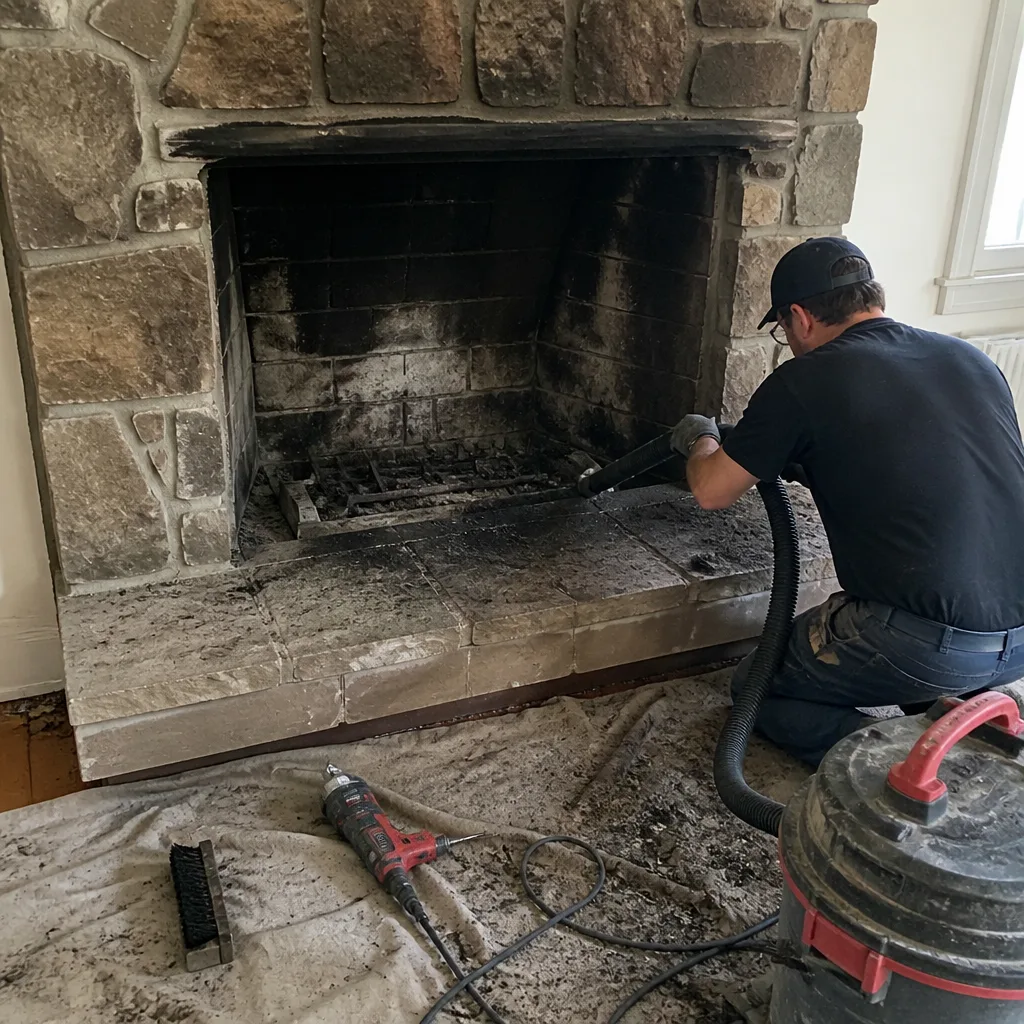
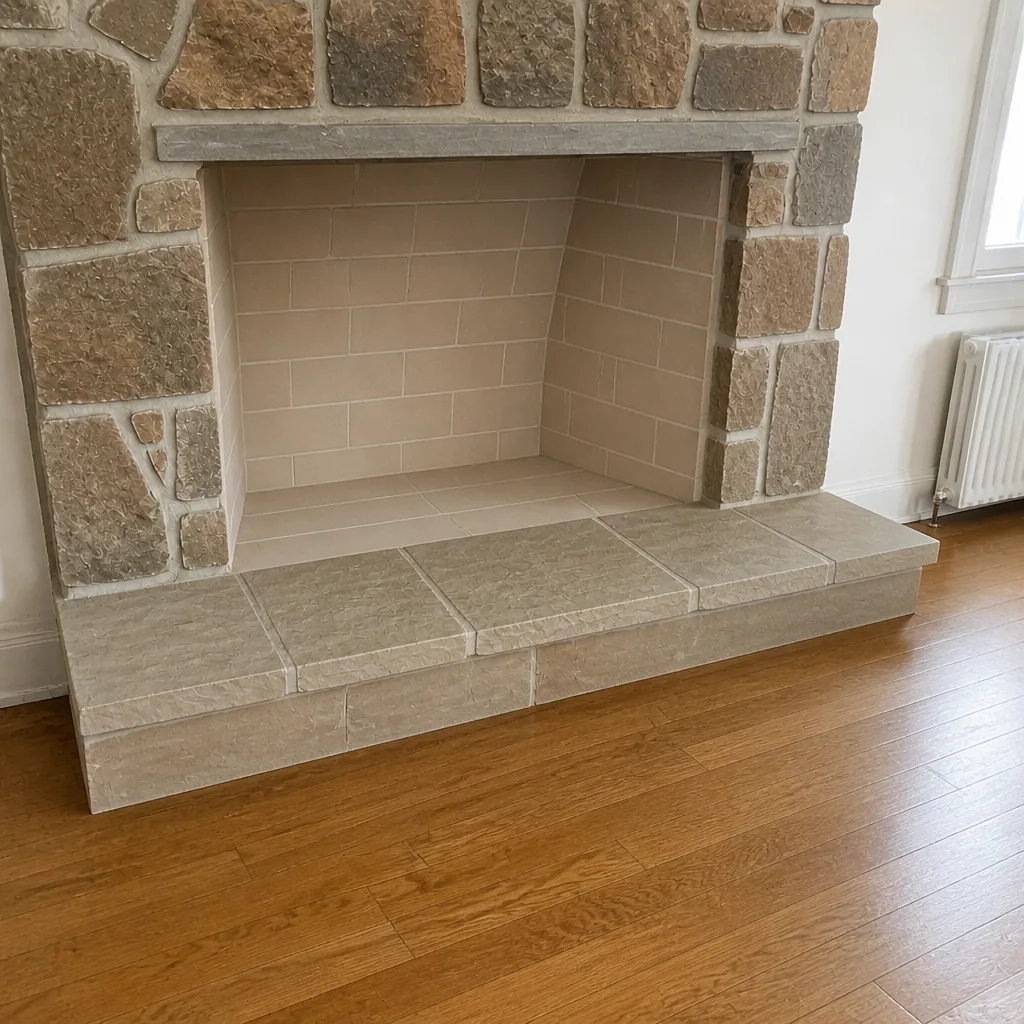
See the difference
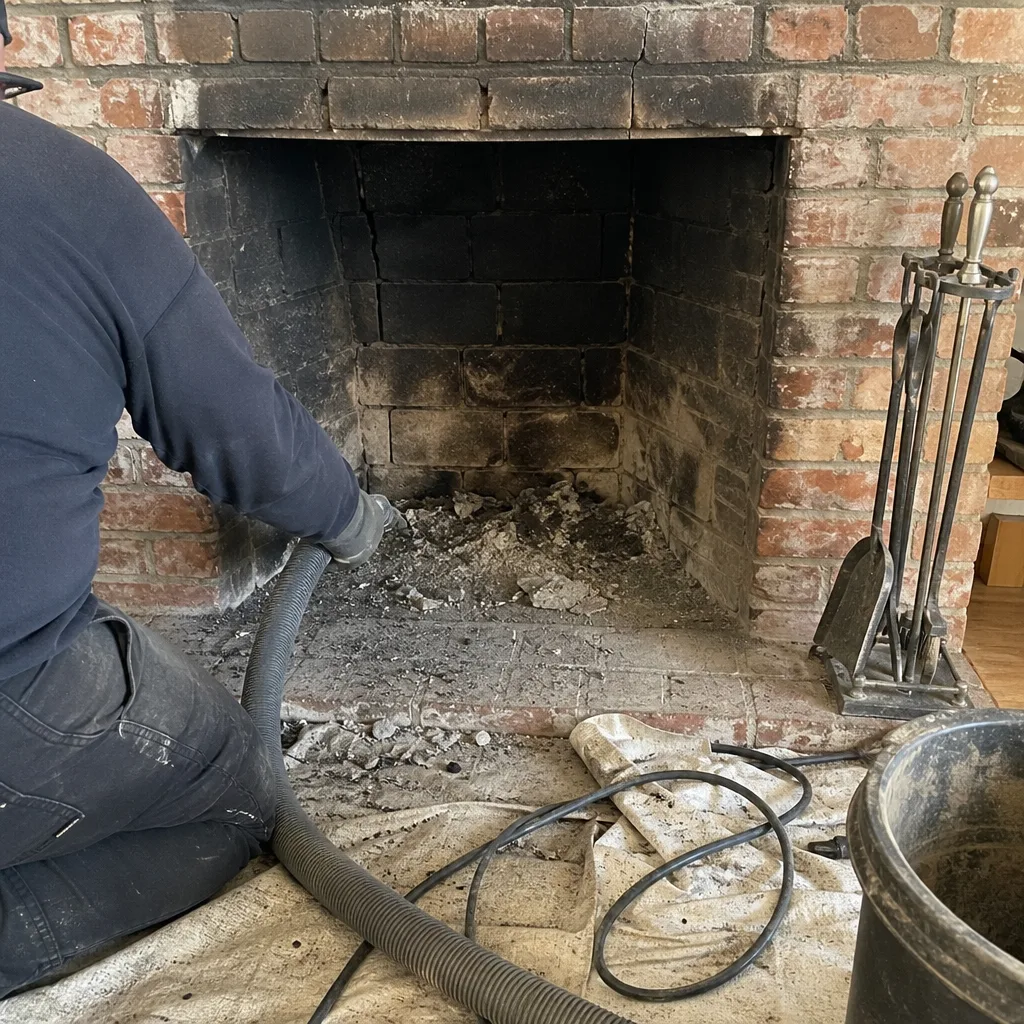 Before
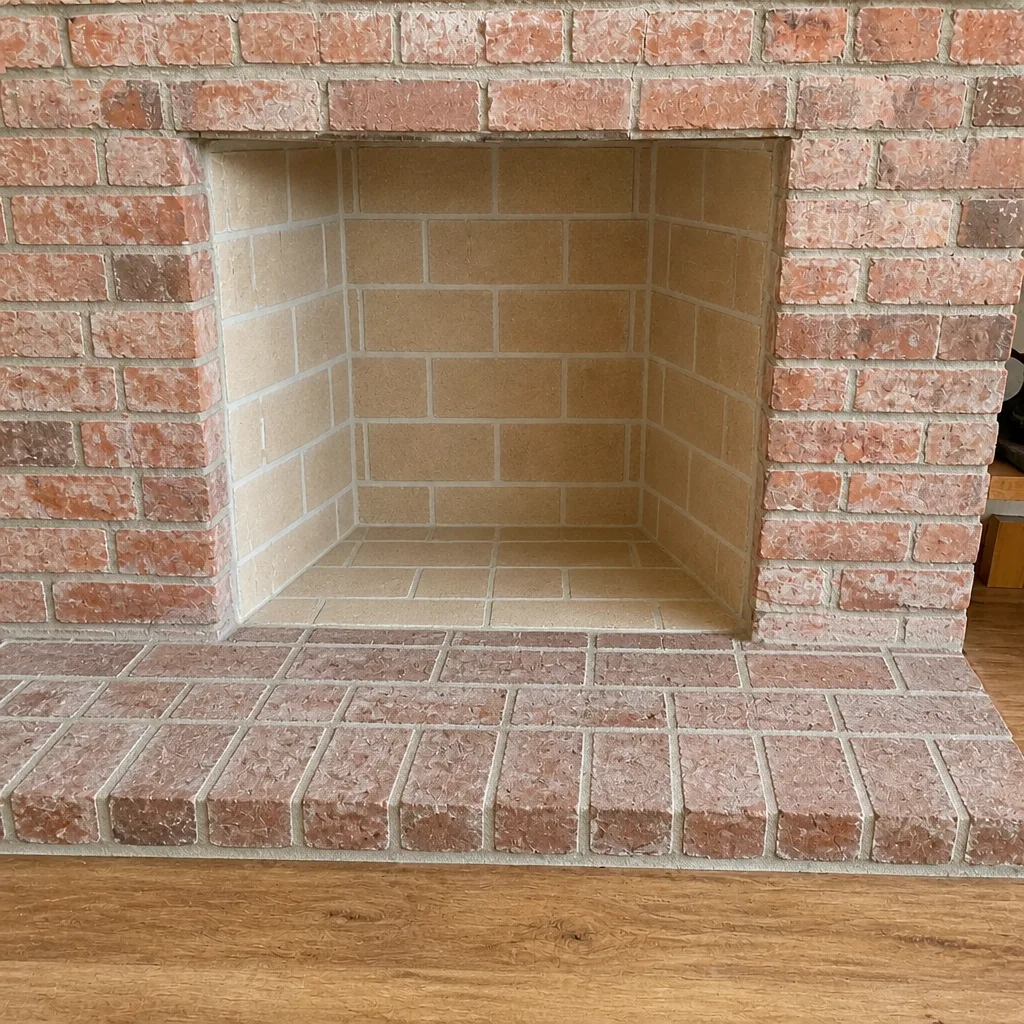 After
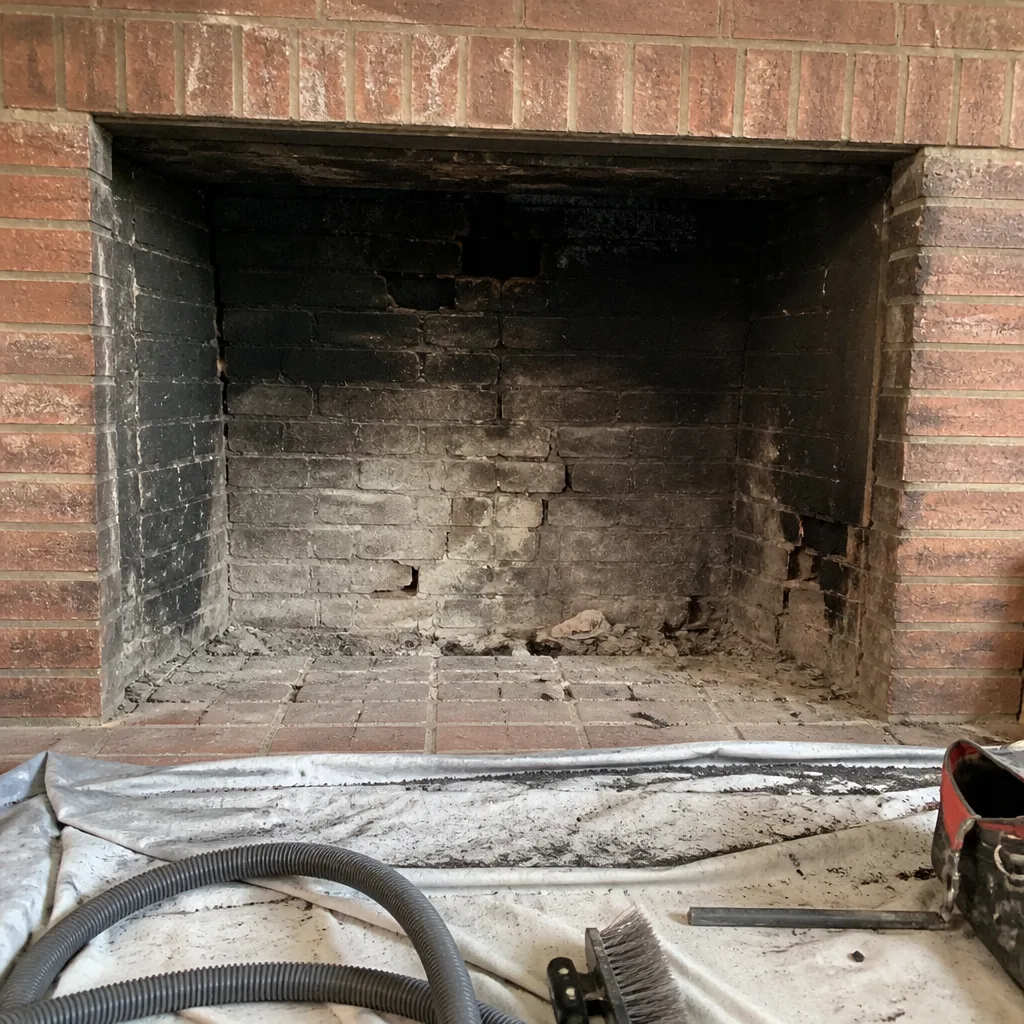 Before
 After
 Before
 After
When to Call a Professional
Call for a cleaning and inspection if you burn wood regularly and it’s been more than a season since the last sweep. Call if you notice a strong creosote smell in the room, smoke backing into the house when you light a fire, or a damper that no longer opens fully. Call if you’ve had a chimney fire, suspected or confirmed, and haven’t had the flue inspected since. Call if the cap or crown looks cracked or missing, or if water is staining the firebox or the masonry. And call before you buy a house with a fireplace you intend to use, because the flue’s condition is part of what you’re buying. Chimney Sweep Sedgefield offers free estimates in Sedgefield – call (855) 726-7779. We answer 24/7. Fast dispatch from 7am to 7pm, Sunday through Friday.
If your issue turns out to be the firebox or damper rather than the flue, our fireplace repair work covers that directly, and a chimney sweep visit is the right starting point if you’re not sure which problem you have. For water intrusion at the top of the chimney, look at chimney cap & crown service before the next rainy season.
Frequently Asked Questions
A standard single-flue fireplace cleaning in Sedgefield typically costs $150 to $300 in 2026, and a wood stove or stainless-lined flue generally runs $225 to $400. Stage-two creosote remediation adds to that range, and difficult roof access can push it higher. The written estimate sets the final price; call (855) 726-7779 for an exact quote – estimates are free.
A chimney used regularly for wood should be swept once a year, and more often if you burn frequently or notice heavy creosote. The annual rhythm matters more than a specific month, but booking before the burning season starts is easier than booking during it. If it’s been more than a year since the last sweep, call (855) 726-7779 for an exact quote – estimates are free.
Many damaged clay flue tiles can be resurfaced with a ceramic restoration system rather than fully replaced, which saves significant cost. Whether resurfacing is appropriate depends on how much of the flue is damaged and whether the tile is still structurally sound underneath. We don’t recommend either path without camera evidence you can see; call (855) 726-7779 for an exact quote – estimates are free.
Skipping it moves the cost from a routine cleaning to a repair bill: spalled liner sections, a deteriorated smoke chamber, or damage from a chimney fire that went unnoticed. The safety issue is real too, since creosote buildup and carbon monoxide risk both increase when a flue isn’t maintained. Call (855) 726-7779 for an exact quote – estimates are free.
Not if the process is right. The technician shows the camera footage, explains what it shows, and tells you plainly when work can safely wait. Recommendations are tied to what the camera sees, not to a sales target. Call (855) 726-7779 for an exact quote – estimates are free.
Cap and crown work is quoted per job based on the size and condition of the chimney, and it can be scheduled as a standalone service or alongside a cleaning. Because water intrusion at the cap and crown is the leading cause of chimney deterioration, it’s worth inspecting on the same visit. Call (855) 726-7779 for an exact quote – estimates are free.
The Bottom Line
Chimney cleaning cost in Sedgefield is variable for real reasons: flue type, liner material, access, and creosote stage. The right way to evaluate a quote is to look at the scope line by line, not to compare the headline number against another headline number. A cleaning that includes a camera inspection and a photo report is a different product from a quick brush-and-go, and the price should reflect that. Get the estimate in writing, confirm what’s included and excluded, and ask for evidence before you approve any repair. Our technicians have up to 9 years of experience, and we’re happy to walk you through what we find.
Ready to book? Call (855) 726-7779. We answer 24/7. Fast dispatch from 7am to 7pm, Sunday through Friday, and the estimate is free.
Written by the team at Chimney Sweep Sedgefield.