
Last updated November 25, 2026
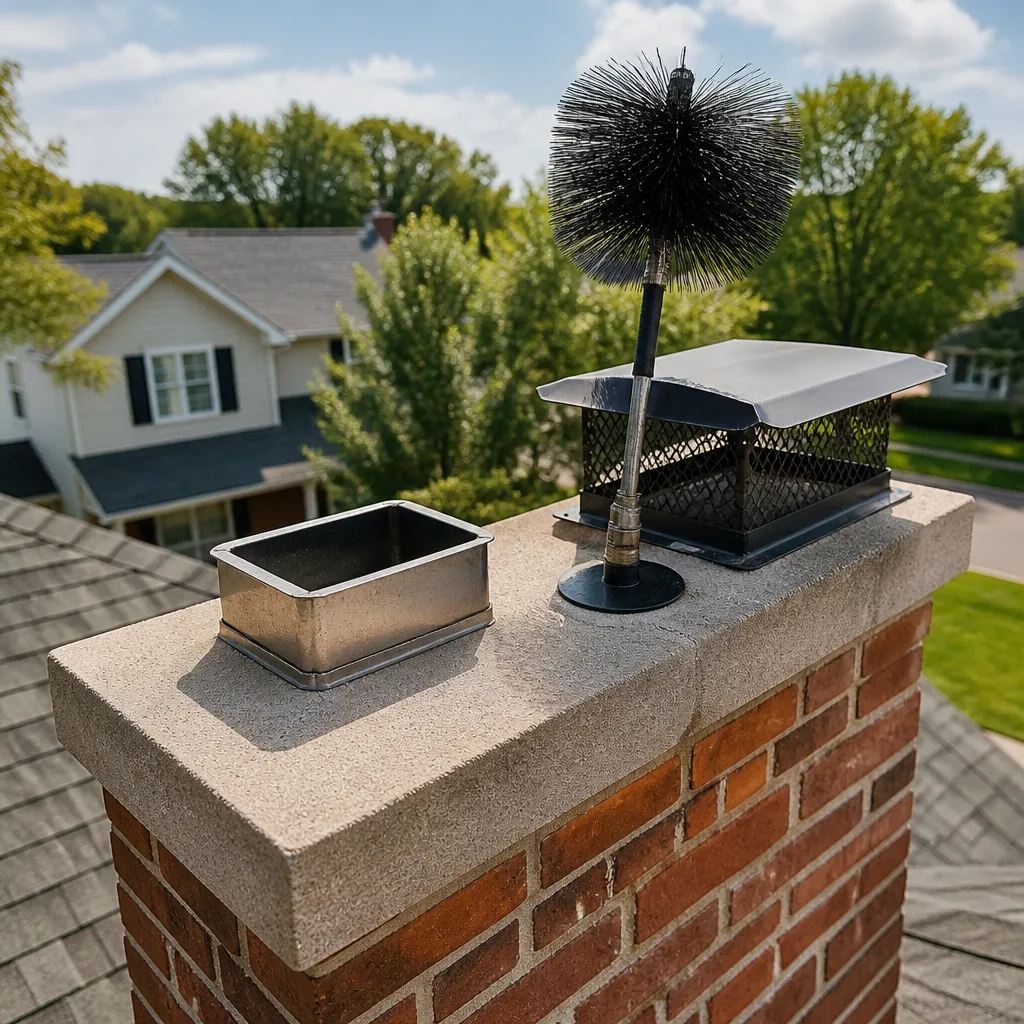 Sweep & inspection
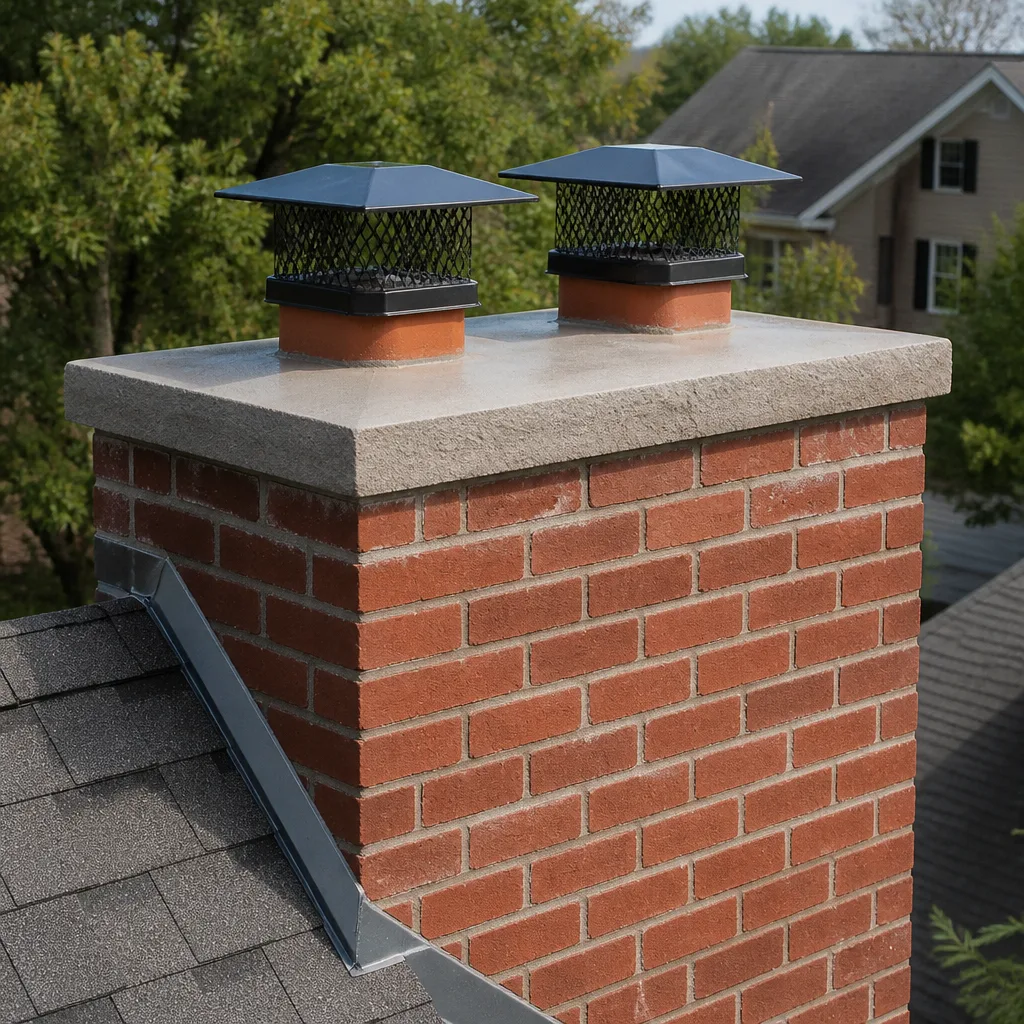 Caps & crowns
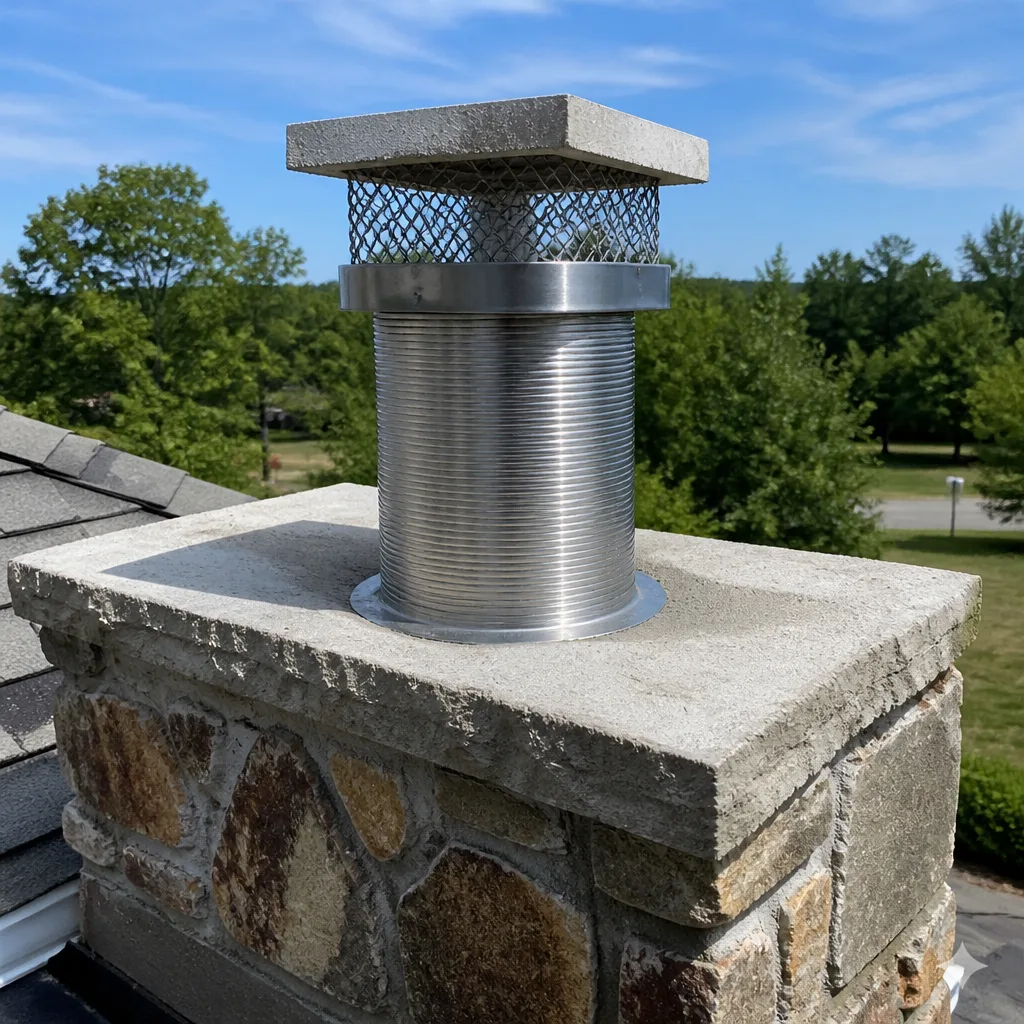 Flue relining
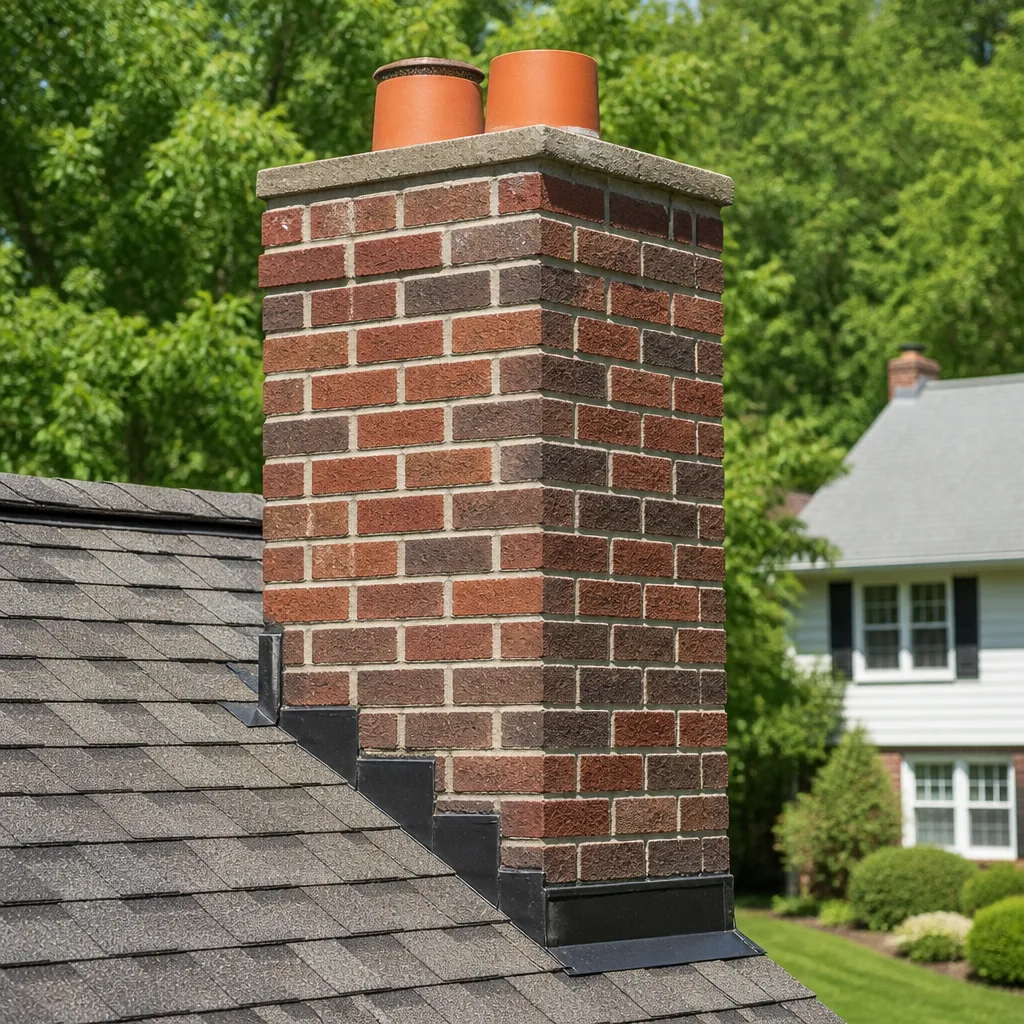 Masonry repair
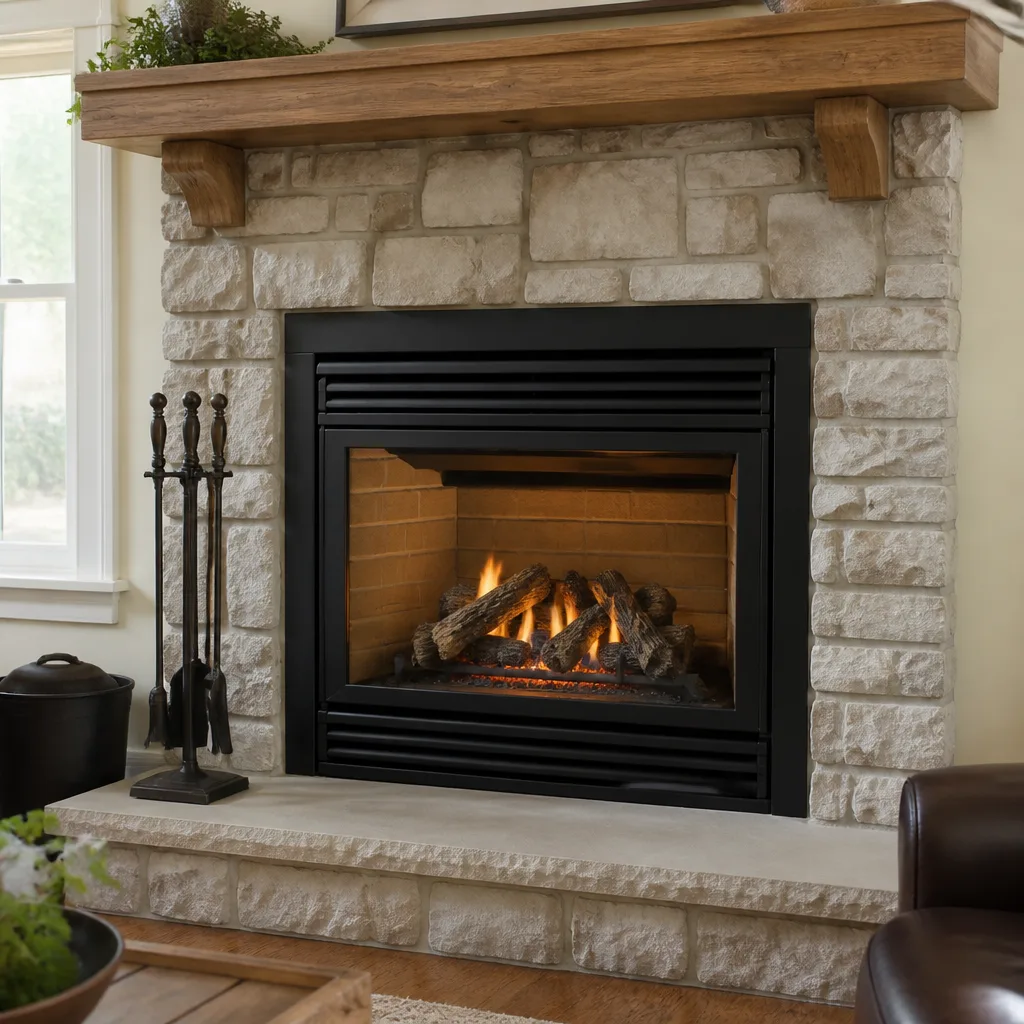 Gas fireplace service
Level 1 sweep and inspection to the NFPA 211 annual standard - flue, crown, cap, and flashing checked and photographed
Chimney sweep logs do not sweep chimneys. They loosen some creosote - which then falls where a brush and vacuum still have to collect it.
Chimney Cleaning Emergency Preparedness Guide for Sedgefield Homes
A chimney fire doesn’t always announce itself with a roar. Plenty of Sedgefield homeowners have had one and never knew it until the next cleaning turned up cracked flue tiles, warped metal, or a glaze of puffy creosote that only forms under intense heat. That quiet version is the one we think about most, because the emergency already happened and nobody responded. This guide covers the two sides of chimney emergencies in Sedgefield: how to recognize a fire or carbon monoxide event while it’s happening and what to do in the first ten minutes, plus how to prepare before anything happens so you’re not improvising in a panic. You’ll get the sounds and smells to watch for, the correct response sequence, the 24-hour follow-up, and a simple kit to keep ready.
Quick Answer
If you suspect a chimney fire, call 911 first, then close the damper and any air intakes to starve the fire of oxygen without opening the firebox door. If anyone has symptoms of carbon monoxide exposure, get everyone outside and call 911 from fresh air. After any suspected chimney fire, stop using the fireplace and get a professional inspection before you light another fire. In Sedgefield, preparedness means knowing those steps in advance, keeping working CO detectors near the fireplace, and having a sweep’s number saved before you need it.
Styles & brands we work with
- Sweep & inspection
- Caps & crowns
- Flue relining
- Masonry repair
- Gas fireplace service
Table of Contents
- How to Recognize a Chimney Fire in Progress
- The Correct First 3 Minutes: A Step-by-Step Response
- Carbon Monoxide Events Specific to Chimney Systems
- The 24 Hours After a Suspected Chimney Fire
- Building a Simple Chimney Emergency Kit
- Prevention: The Sedgefield Burning Season
- Common Mistakes to Avoid
- When to Call a Professional
How to Recognize a Chimney Fire in Progress
Chimney fires come in two personalities, and only one of them is obvious. The dramatic version involves a loud rumbling or a sound like a freight train, flames or sparks shooting from the top of the chimney, and black smoke pouring out. You’ll probably know something is wrong immediately. The slow-burn version is quieter and far more common: a low, persistent crackling, a hot smell in the room, or a fireplace that suddenly drafts poorly while the fire is still burning hot. Both cause real damage, and the quiet one often goes unnoticed until the next inspection.
Here’s what to watch for, in order of how often we hear about it from Sedgefield homeowners:
- Sound: a roar, rumble, or a tapping and crackling that doesn’t match a normal fire. The quiet version can sound like a low whoosh.
- Smell: a hot, acrid, or metallic smell that isn’t the usual wood smoke. A strong creosote smell inside the room can signal a flue fire.
- Smoke: dark or black smoke coming from the chimney top, or smoke backing into the room when the fire is drawing normally.
- Visible flame or sparks: flames visible at the top of the chimney, or sparks landing on the roof.
- Heat: the chimney breast or surrounding wall feeling unusually hot, or a hot smell near the mantel.
One thing about Sedgefield specifically: homes here often sit under mature oak and pine, and the same long, cool, humid winters that make for cozy fireplaces also produce creosote that builds fast when wood is burned before it’s fully seasoned. That buildup is the fuel a chimney fire feeds on, whether it announces itself with a roar or burns quietly for twenty minutes. The takeaway is that you don’t have to see flames to have had a fire. If anything felt off during a burn, treat it as a real event and get it checked.
The Correct First 3 Minutes: A Step-by-Step Response
The first response in a suspected chimney fire follows a short sequence. The most important thing is to stay calm and to starve the fire of air without opening the firebox. Opening the door or the damper feeds oxygen to a fire that’s already burning inside the flue, and that’s the worst thing you can do.
- Call 911 first if there’s any doubt. If you see flames or sparks at the chimney top, hear a roar, smell a hot metallic odor, or have any concern for the structure, call 911. Better to have them on the way and not need them than to wait.
- Get everyone out if smoke or CO is present. If smoke is backing into the room or anyone feels dizzy, nauseated, or confused, get everyone outside to fresh air and call 911 from there. Do not go back inside.
- Close the damper and air intakes, but leave the firebox door closed. Starve the fire of oxygen. Do not open the firebox door to “check” on it. Do not throw water on it. A closed firebox door keeps oxygen out and protects you from a flare-up.
- If you can safely do so, use a chimney fire suppressant. A specially formulated chimney fire suppressant stick or powder is designed to be used on a fire already in the firebox. Use it only if the firebox door is closed and you can do so without danger; otherwise stay out.
- Get outside and stay out. Wait for the fire department. Once they’ve handled the scene, don’t relight until a professional has inspected the flue.
When can you contain rather than evacuate? Only when there’s no smoke in the living space, no CO alarm, no one with symptoms, and the fire stays inside the firebox. Even then, the safe answer is to call. A quick call to the fire department costs nothing and gives you trained eyes on a situation you can’t fully see. For non-emergency scheduling afterward, a professional like our team at Chimney Sweep Sedgefield can inspect and advise on what happened and what needs repair.
Carbon Monoxide Events Specific to Chimney Systems
Carbon monoxide is the chimney emergency most homeowners underestimate because it has no smell, no color, and no obvious sound. It’s produced whenever solid fuel burns, and the flue is supposed to carry it up and out. When the flue is blocked, cracked, or drafting poorly, CO can back up into the living space instead. In Sedgefield homes, the setup matters: a fireplace in a tight, well-insulated room can actually struggle to draft if the house is sealed up, and that increases risk during the burning season.
Two chimney-specific CO scenarios are worth knowing:
- Downdraft: a cold flue or a reversal in air pressure can push smoke and CO back down the chimney instead of up. Signs include smoke in the room at startup, a cold smell when the fire is lit, and a flue that won’t draw. A blocked or partially blocked flue from a bird nest, leaf debris, or a sagging cap can cause the same effect.
- Blocked flue signs: smoke backing into the room, a fire that won’t stay lit, a smell of soot in the house, and soot staining around the firebox. All of these point to a flue that can’t exhaust properly.
CO detectors need to be positioned where they’ll catch a chimney issue. Place one on each level, and put one near the thermal mass of the fireplace wall rather than far across the room, because CO tends to pool near the source before it spreads. A CO alarm near the fireplace can pick up a problem faster than a single detector in a hallway. If it sounds, treat it as a real event: get out, call 911, and don’t relight until the flue is checked. This is the kind of risk our chimney sweep service is designed to catch before it becomes an emergency.
The 24 Hours After a Suspected Chimney Fire
The hours after a suspected chimney fire are where people make their biggest mistakes. Heat damage cracks tiles and warps metal, and the flue can look fine from the outside while being compromised inside. A single fire can leave a crack that lets CO into the house the very next time you light up. Here’s what to do in the first day.
- Do not use the fireplace. Not a small test fire, not “just to see.” The flue needs a professional inspection before it’s safe.
- Do not inspect it yourself. Don’t go up on the roof, and don’t drop anything down the chimney to check. You can’t see what matters from outside, and roof work is a fall hazard.
- Schedule an inspection. Call a professional to assess the flue. A camera inspection shows the condition of the tiles and liner, and that’s how you find out whether it’s cracked or compromised.
- Document what happened. Keep any fire department report, and write down what you saw and heard. This matters if you’re working with your insurer.
- Check your CO detectors and replace batteries if the alarm went off or you’re in doubt.
Don’t skip the inspection because the fire seemed small or quiet. The quiet ones are often the ones that cause the most damage over time. A professional can confirm whether the flue needs liner work or a resurface. Materials like HeatShield ceramic resurfacing let a damaged clay flue be restored in many cases without full liner replacement, which saves real money when it’s appropriate. If the liner is truly failed, a DuraFlex flexible stainless liner is the longer-term fix.
Building a Simple Chimney Emergency Kit
Preparedness is cheap and mostly about having the right things in the right place. Assemble a chimney emergency kit once and keep it where you can reach it, ideally in the room with the fireplace, in a clear container. It’s not complicated, but having it ready is what turns a panicked ten minutes into a calm response.
- A chimney fire suppressant stick or powder, kept near the fireplace and replaced before it expires. It’s designed for a fire already in the firebox and is the one item that can help during the event.
- Working CO detectors on every level, one near the fireplace wall. Test them at the start of every burning season.
- A chimney sweep’s contact saved in your phone and written on a card in the kit. If the power’s out or your phone’s dead, you can still make the call. Save ours: (855) 726-7779.
- Your documented inspection history in a folder or on your phone, showing the date and findings of the last inspection. Fire crews and insurers often want it.
- A flashlight and a note card with the fire department’s number written down, not just saved in a phone.
- A small fire extinguisher rated for the firebox area, and knowing how to use it. Keep it where you can reach it from the room.
Put the kit together before the burning season starts. In Sedgefield, that means building it ahead of the first cold snap, when the fireplace gets its first serious use. If you haven’t had an inspection yet this season, that’s the one item you can’t buy in a store. A proper chimney sweep in Sedgefield will also give you the documented inspection history that belongs in the kit.
Prevention: The Sedgefield Burning Season
The best chimney emergency is the one that never happens. In Sedgefield, the burning season lines up with long, humid winters and plenty of hardwood, and the two most common preventable problems are creosote buildup and water intrusion. Creosote builds faster when wood is burned before it’s fully seasoned. Wet wood burns cool and produces more of the residue that fuels chimney fires. Storing wood correctly and burning it only when it’s dry makes a measurable difference.
Water intrusion is the other quiet problem. Rain getting past a failing cap or crown slowly works into the masonry, and it shows up later as cracked tiles and structural damage. The fix is inexpensive compared to the repair, which is why we push chimney cap & crown work as routine preparation. We use cap and crown materials from brands like Copperfield and Famco because they hold up over the long term, not just for a season.
Here’s the practical prevention routine for a Sedgefield home:
- Burn only well-seasoned wood, and store it covered and off the ground.
- Schedule a sweep and inspection before the burning season starts.
- Keep a cap and crown in good condition to keep rain and animals out.
- Check the CO detectors at the start of the season and again mid-winter.
- Never skip the inspection because the fireplace “seems fine.” Most of the damage we find is invisible from the outside.
Common Mistakes to Avoid
- Opening the firebox door during a fire. It seems natural to look, but it feeds oxygen to a fire already burning in the flue. Leave it closed and starve the fire.
- Throwing water down the chimney. It can crack heated tiles instantly and create a bigger problem. Water is not the move here.
- Skipping the inspection after a “small” fire. Quiet chimney fires are the ones that leave damage no one finds out about until the next cleaning. Get it checked regardless of how minor it seemed.
- Putting CO detectors only in hallways. A single hallway detector can miss a backup near the fireplace. Put one near the fireplace wall on each level.
- Relighting before the flue is inspected. A cracked tile can let CO into the house the next time you burn. Don’t relight until a professional clears the flue.
- Using an unqualified sweep. A cheap sweep who only cleans and disappears won’t diagnose a fire-damaged flue. Our team works with brands like DuraFlex and HeatShield because the right materials matter for a real repair.
- Burning wet or green wood. It builds creosote fast and raises your fire risk all season. Season the wood before you burn it.
When to Call a Professional
Call a professional whenever there’s any doubt. That includes after any suspected chimney fire, after smoke backs into the room during a normal burn, if a CO detector has sounded, if the chimney breast feels unusually hot, or if you notice soot staining around the firebox. It also includes the routine case: before the Sedgefield burning season, if you haven’t had an inspection in a while, or if you’re not sure how much creosote is inside the flue. A camera inspection shows exactly what’s going on, and that’s the only way to know whether the flue is safe. For a failed liner, a DuraFlex system is a long-term fix. For a damaged clay flue, HeatShield resurfacing can often restore it without a full replacement. We offer free estimates in Sedgefield, and our technicians have up to 9 years of experience. Call (855) 726-7779.
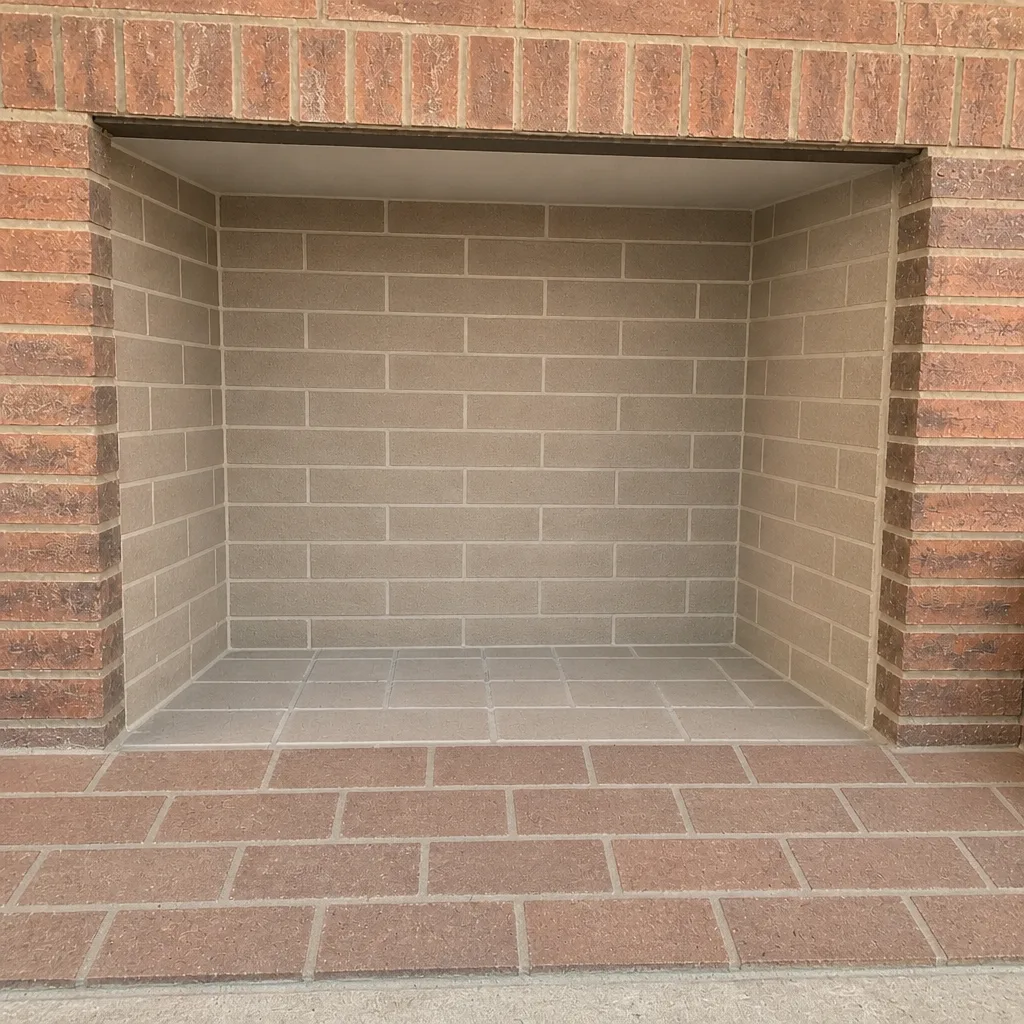
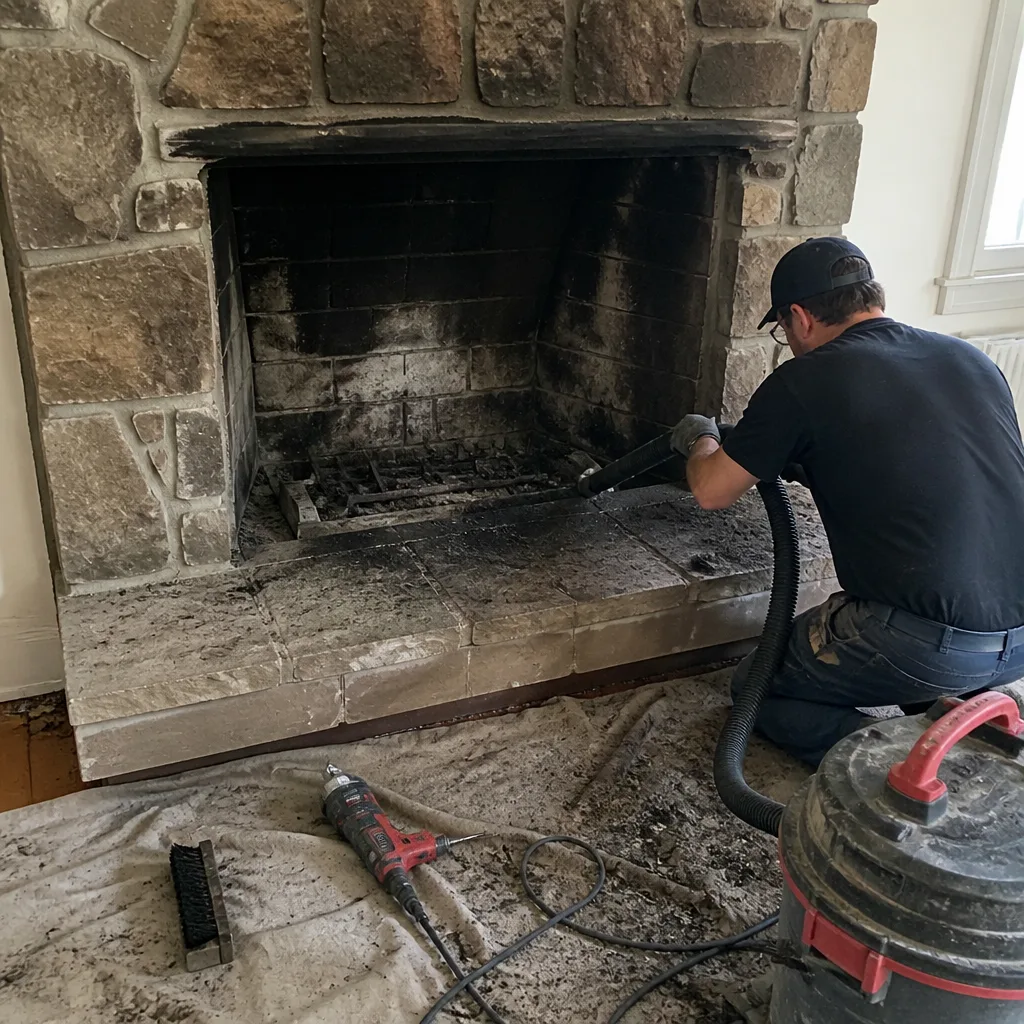
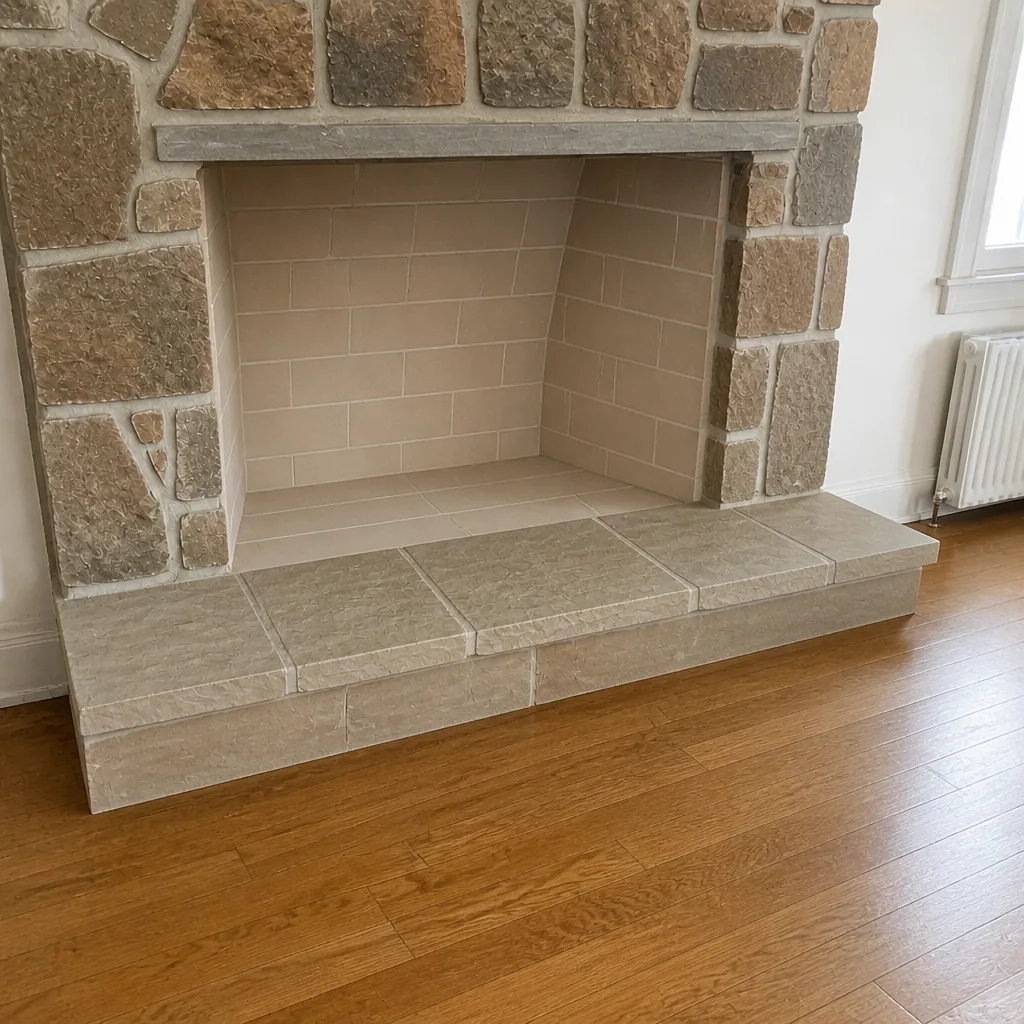
See the difference
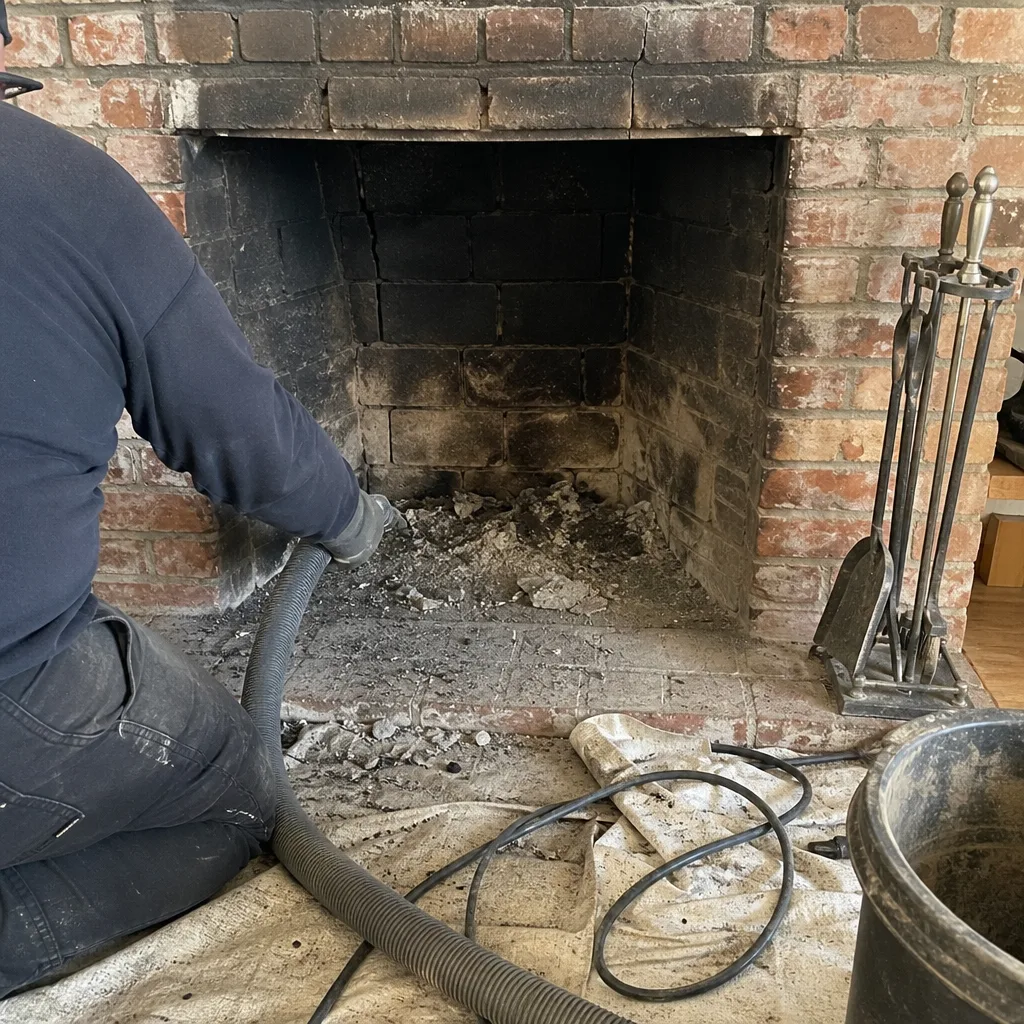 Before
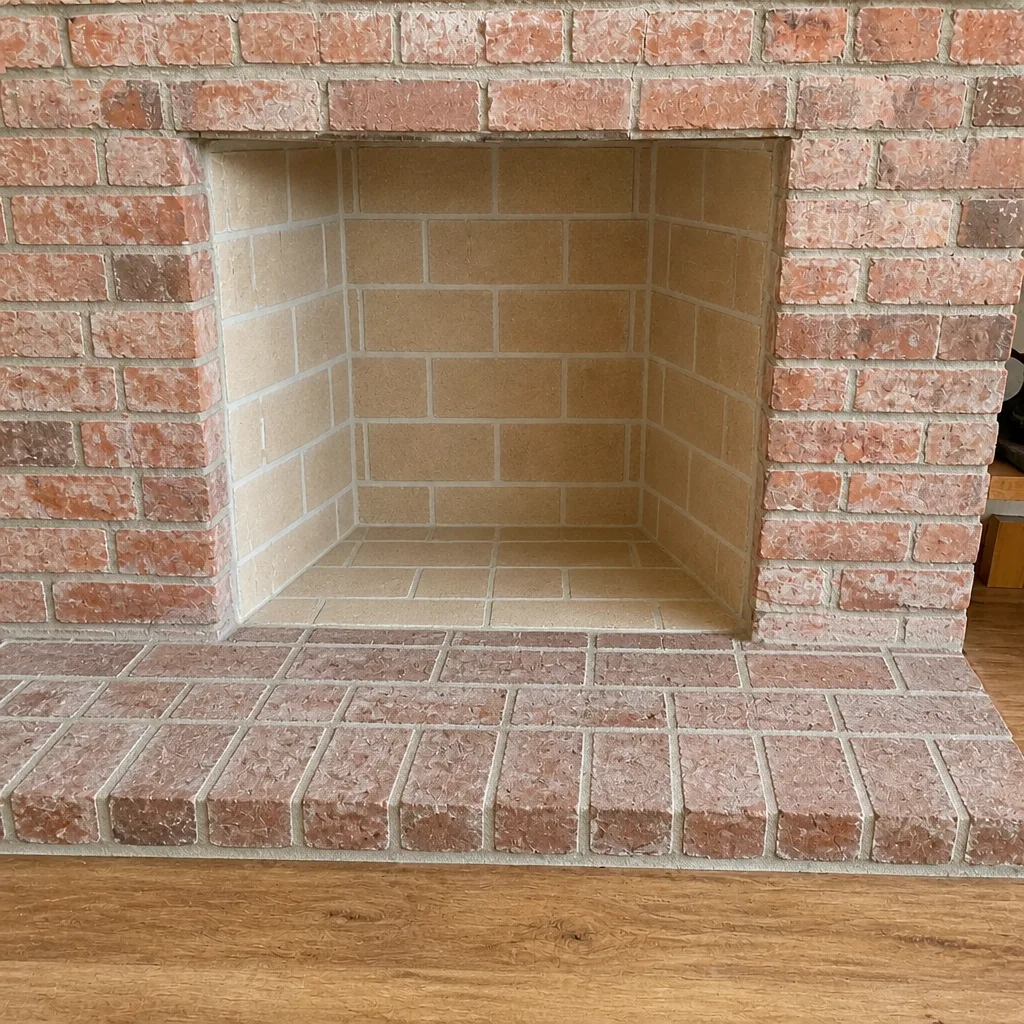 After
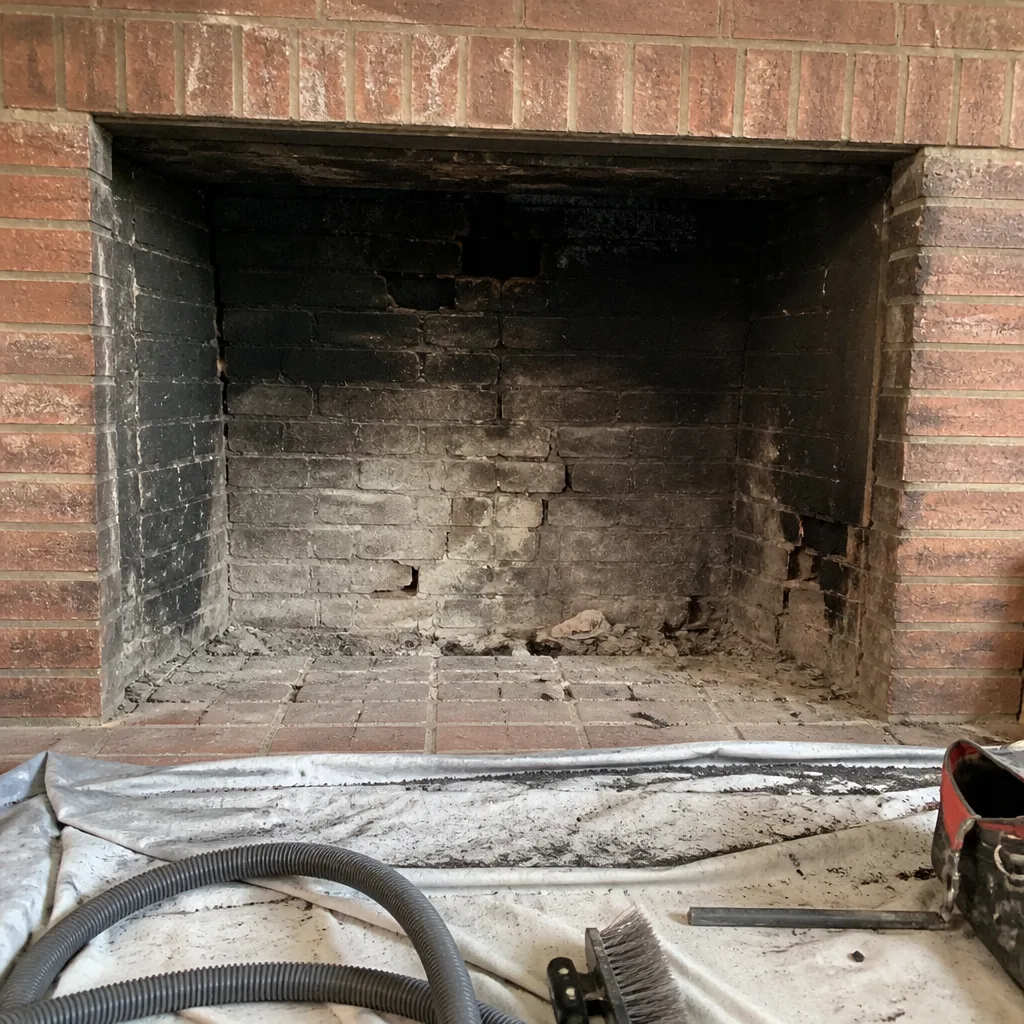 Before
 After
 Before
 After
Frequently Asked Questions
Look for evidence: cracked or warped flue tiles, a puffy, glazed creosote that only forms under intense heat, soot staining, or a hot smell that lingered after a burn. The sound of a low crackling or whoosh that didn’t match a normal fire is a common sign. If anything felt wrong during a burn, get a professional inspection rather than guessing.
Call 911 first if you see flames or sparks at the chimney top, hear a roar or rumble, smell a hot metallic odor, or have any concern for the structure. If smoke or carbon monoxide is in the room, get everyone outside and call 911 from fresh air. It costs nothing to have them respond, and it’s the safer call when you’re unsure.
Put one on each level, and place one near the fireplace wall rather than only in a far hallway. CO tends to pool near the source before it spreads, so a detector near the fireplace catches a backup faster. Test them at the start of the burning season and again mid-winter.
It depends on how much you burn, but the usual answer is once a year, and before the burning season in Sedgefield. If you burn frequently or notice poor draft, soot buildup, or smoke backing into the room, get it checked sooner. A sweep also gives you an inspection record, which is part of emergency preparedness.
Not until a professional has inspected the flue. A cracked tile or a warped liner can let carbon monoxide into the house the next time you light up, and you can’t see that from outside. Schedule an inspection before you relight, and don’t do a “small test fire” to see if it’s fine.
You may have damage you can’t see, especially if there was a quiet fire you didn’t notice. An inspection is the only way to know whether the flue is safe. For a damaged clay flue, HeatShield resurfacing can often restore it without full replacement, which is cheaper than waiting until it fails. Call (855) 726-7779 for a free estimate.
The Bottom Line
Chimney emergencies in Sedgefield follow a pattern, and knowing that pattern is the whole game. The dramatic fire gets attention, but the quiet one causes just as much damage. The response sequence is short: call 911 if there’s doubt, close the damper and air intakes without opening the firebox, get everyone out if there’s smoke or CO, and don’t relight until the flue is inspected. Prepare before the season with a kit, working CO detectors near the fireplace, a sweep’s number saved, and a documented inspection history. For a quiet, thorough inspection and repair using materials from brands like DuraFlex and HeatShield, our team is here. We offer free estimates, and our technicians have up to 9 years of experience with both fireplace repair and full chimney repair. Call (855) 726-7779. We answer 24/7. Fast dispatch from 7am to 7pm, Sunday through Friday.
Written by the team at Chimney Sweep Sedgefield.