
Last updated November 25, 2026
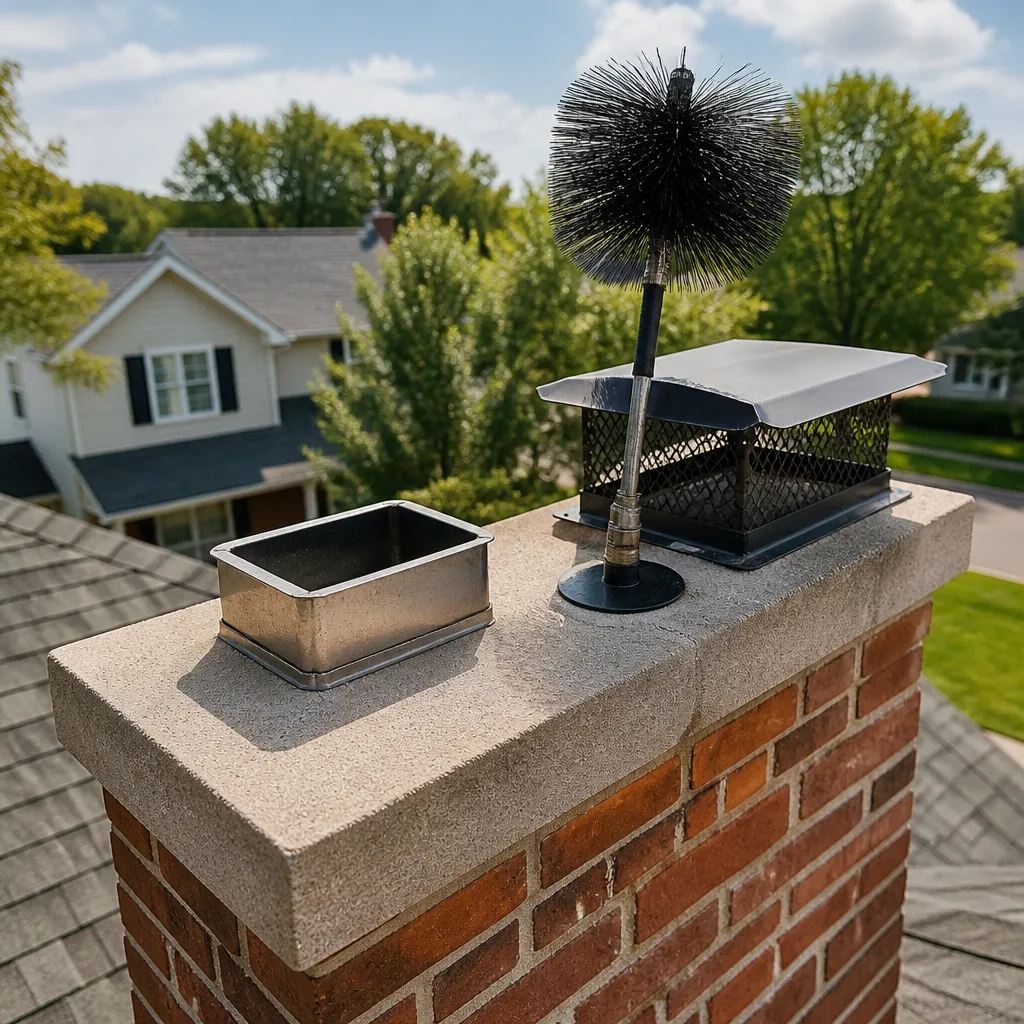 Sweep & inspection
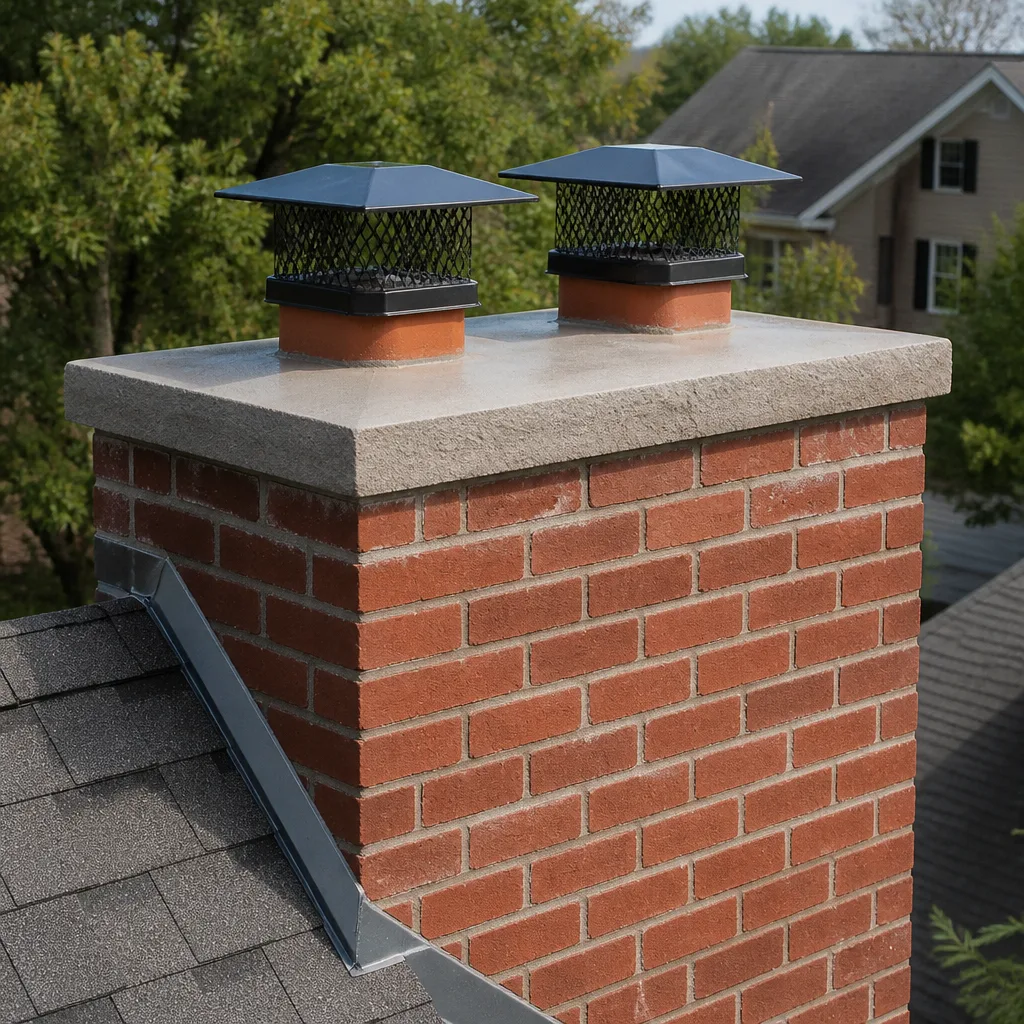 Caps & crowns
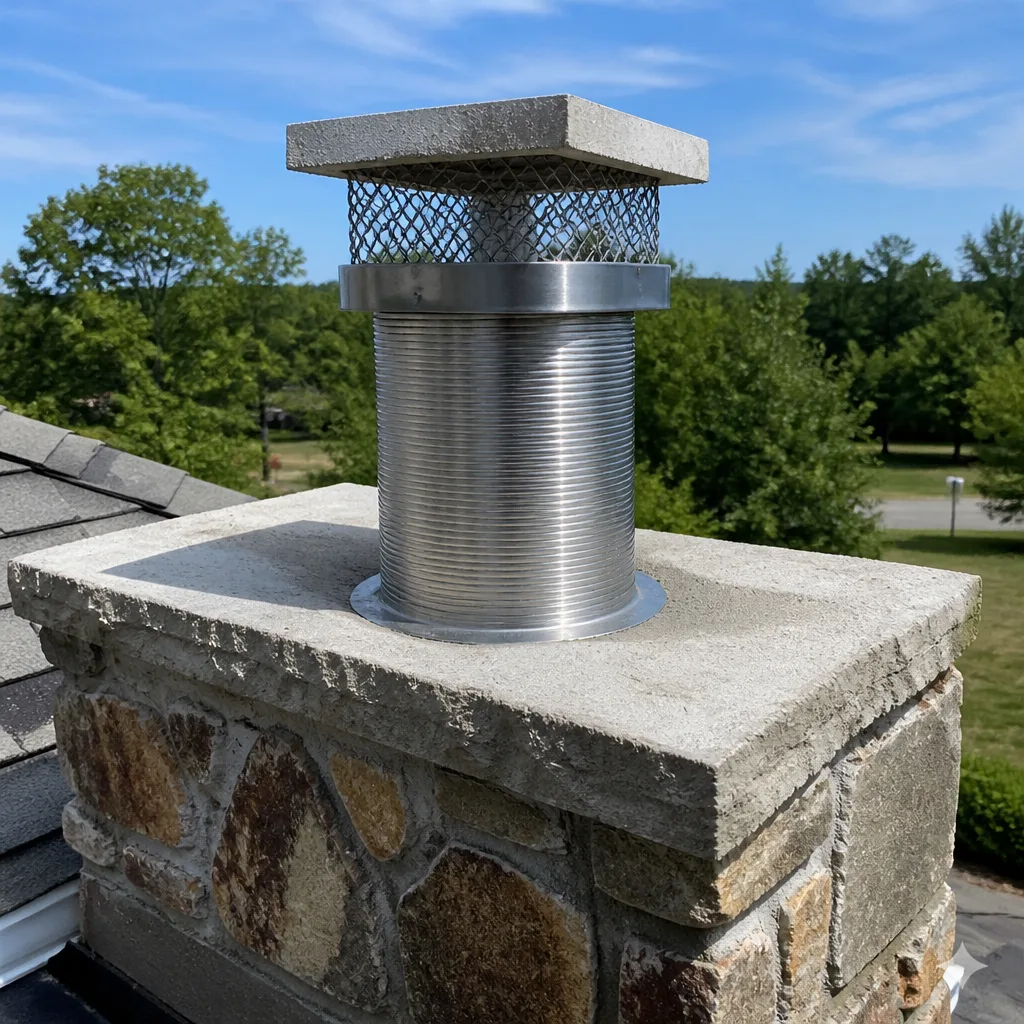 Flue relining
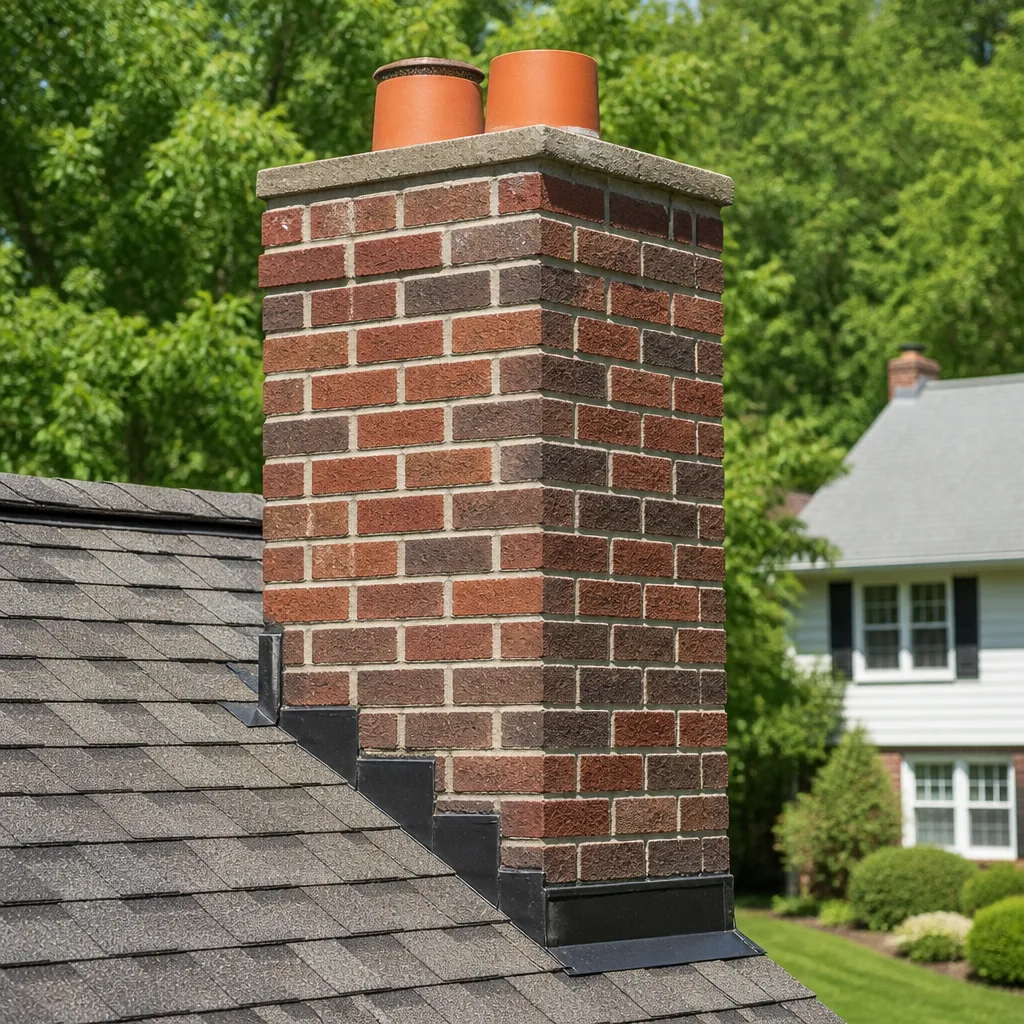 Masonry repair
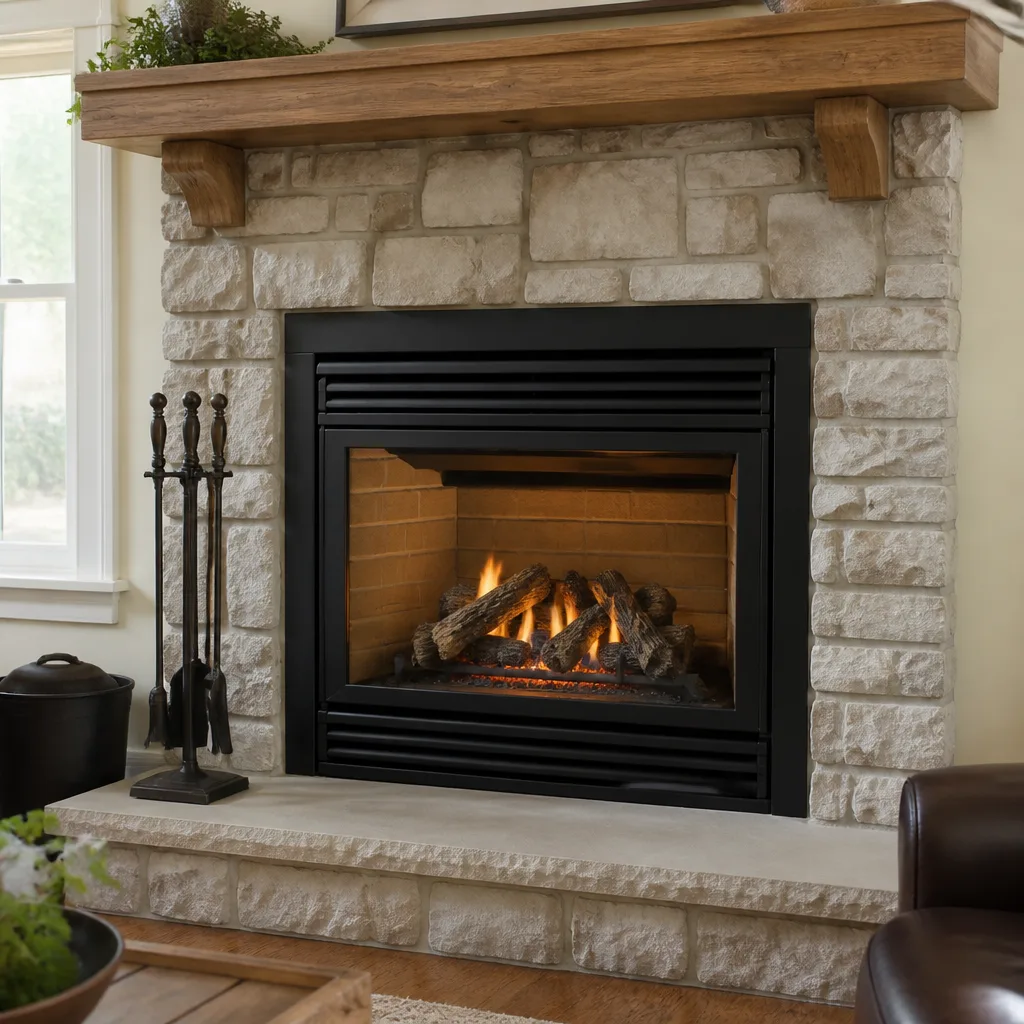 Gas fireplace service
Level 1 sweep and inspection to the NFPA 211 annual standard - flue, crown, cap, and flashing checked and photographed
Chimney sweep logs do not sweep chimneys. They loosen some creosote - which then falls where a brush and vacuum still have to collect it.
How to Hire a Chimney Cleaning Contractor in Sedgefield: A Step-by-Step Guide
Most homeowners hire a chimney sweep the way they hire a lawn service: they find a number, book a slot, and assume the work is the work. That assumption is the problem. Chimney sweeping has almost no barrier to entry. Anyone can buy a brush set, print a business card, and call themselves a sweep by Friday. In a Sedgefield market where a lot of fireplace use happens in a short cold season and a lot of homes sit on wooded lots with overhanging oak and pine, the difference between a trained specialist and a truck-and-ladder operation shows up in what gets missed. This guide walks you through the credentials that actually matter, the questions to ask before you book, and the job-site behaviors that tell you whether someone knows chimneys or just owns a brush.
Styles & brands we work with
- Sweep & inspection
- Caps & crowns
- Flue relining
- Masonry repair
- Gas fireplace service
Quick Answer
To hire a chimney cleaning contractor in Sedgefield, verify three things before you book: a CSIA Certified Chimney Sweep credential, NFI certification if any gas or fireplace work is involved, and liability insurance that specifically covers chimney work rather than a general contractor policy. Then ask what percentage of the contractor’s revenue comes from chimney work, what camera system they use for liner inspection, and whether they provide a written scope of work before touching anything. A legitimate sweep will answer all three without hesitation.
Table of Contents
- Why Certification Alone Isn’t Enough
- The Three Credentials That Actually Matter
- Five Questions to Ask Before You Book
- What a Legitimate Estimate Includes (and What a Bait-and-Switch Doesn’t)
- How to Verify a Sedgefield Contractor’s Work History
- Job-Site Red Flags
- Why the Materials Matter as Much as the Sweep
- Common Mistakes to Avoid
- When to Call a Professional
- Frequently Asked Questions
- The Bottom Line
Why Certification Alone Isn’t Enough
The CSIA Certified Chimney Sweep credential takes roughly 40 hours of study and a proctored exam. That’s a weekend of preparation and a written test. It’s a real credential and it filters out the worst of the field, but it’s also the kind of commitment a motivated person can knock out between a Friday and a Sunday.
So certification is a floor, not a ceiling. The question that tells you more is this one: what percentage of your gross revenue comes from chimney work specifically? A full-time chimney specialist will answer in the 80s or 90s. A general handyman who sweeps seasonally will guess, hedge, or change the subject. That gap matters because a specialist sees hundreds of flues and knows what normal looks like. A generalist sees a few dozen and treats every one as a first encounter.
Sedgefield sits in a part of the state where people burn hard for a few months and then don’t think about the flue until the first cold snap. That pattern means a lot of the work in this town happens in a compressed window, and a contractor who only sweeps part-time may not have the schedule capacity or the diagnostic depth to catch a problem before it becomes a repair. We’ve seen how a rushed seasonal sweep can miss a cracked tile or a failing crown because the technician was on the roof for eight minutes and had three more stops to make.
Credentials tell you someone passed a test. Revenue percentage tells you chimney work is their trade, not their side job. Both matter. Only one of them is easy to fake on a website.
The Three Credentials That Actually Matter
Of everything a contractor might list on a business card, three credentials carry real weight for chimney cleaning in Sedgefield. Ask for all three by name.
- CSIA Certified Chimney Sweep. The Chimney Safety Institute of America credential means the technician passed a proctored exam covering codes, safety, inspection standards, and venting. It’s the baseline. If a company can’t name a CSIA-certified sweep on staff, move on. A weekend of study gets someone through it, which is precisely why it’s a starting point rather than a finish line.
- NFI certification. The National Fireplace Institute certifies technicians on wood, gas, and pellet appliances separately. If your home has a gas log set or a gas fireplace insert, NFI certification is not optional. Gas appliance work involves combustion, venting, and carbon monoxide risk, and a sweep who only knows wood should not be adjusting a gas appliance.
- Liability insurance with chimney-specific coverage. A general contractor liability policy may not cover roof access, flue work, or the interior of a chimney system. Ask for a certificate of insurance and look at the coverage description. If it reads as a general handyman policy, the coverage may not match the risk of a technician on your roof.
One more: ask whether the technician carries a current CSIA certification card. A legitimate sweep carries it. A company that fields three crews and claims all are certified should be able to name who is certified and when the certification expires.
A Chimney Sweep Sedgefield job starts with the same credential check on our end. We staff certified technicians and we work with an intentional roster of professional-grade materials because the credential means nothing if the tools and methods behind it are ordinary. Our technicians have up to 9 years of experience, and that experience is part of what shows up in a job that goes the way it should.
Five Questions to Ask Before You Book
These five questions separate a trained specialist from a truck-and-ladder operation. Ask them on the phone, before you schedule. The answers tell you more than any website testimonial.
- “What camera system do you use for liner inspection?” A real sweep uses a video camera lowered through the flue and gives you a photo or video report. A sweep who says “I’ll look up there with a flashlight” is doing a visual check, not an inspection. You should be able to see what the camera saw before you approve any repair. The difference matters most when a contractor claims a liner is failing: a camera has a record, and a flashlight has an opinion.
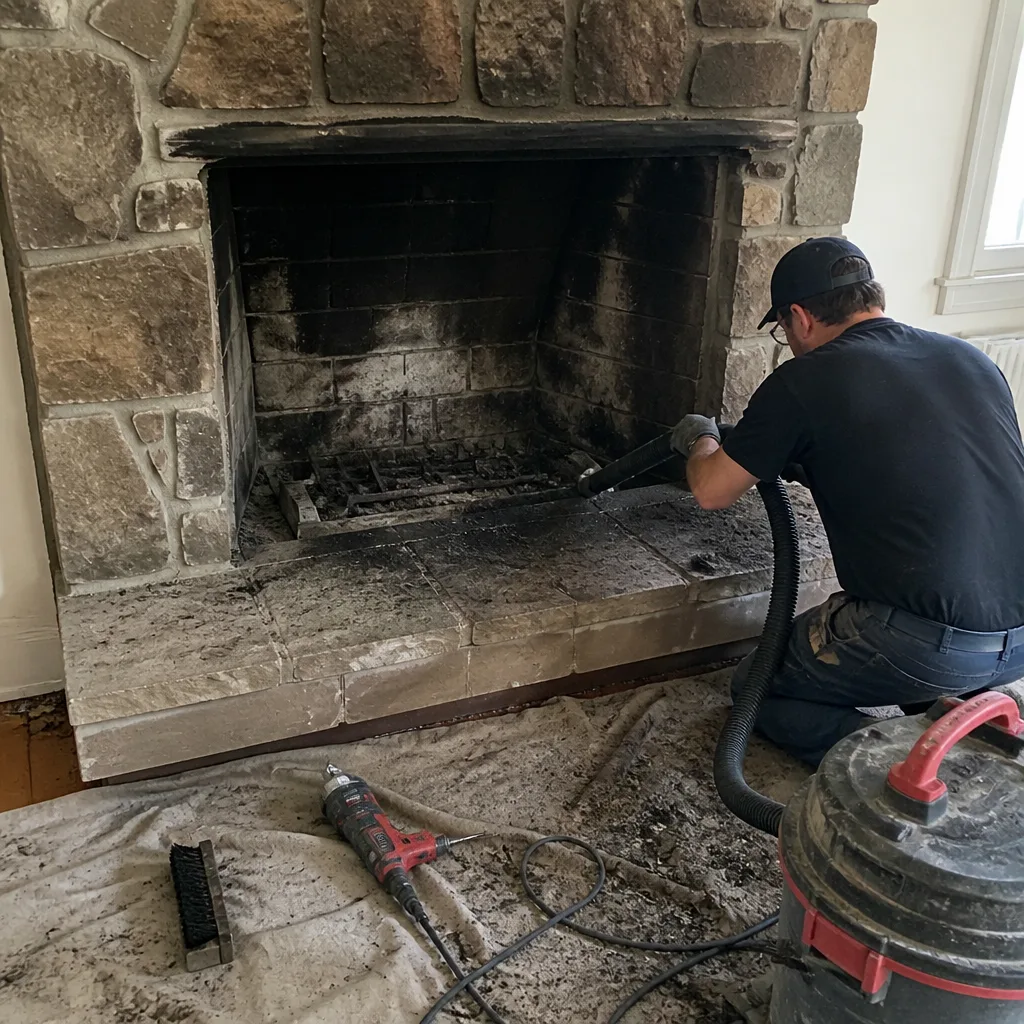
- “Do you carry your own drop cloths and HEPA vacuum?” This is a housekeeping question with a diagnostic edge. A professional sweep shows up with a drop cloth that covers the hearth and floor, and a HEPA vacuum that captures fine ash instead of blowing it around. A sweep who asks to borrow your vacuum or uses a shop vac without a HEPA filter will leave dust on every surface in the room.
- “What percentage of your revenue comes from chimney work?” As above, the answer should be high. Anything under half tells you chimney work is a side job.
- “Will you provide a written scope of work before starting?” The scope should name the chimney, describe the cleaning or inspection, and list any recommended repairs as separate line items. If the answer is “we’ll see when we get up there,” you have no basis on which to compare quotes or approve work.
- “Can you name the liner material you’ll be working with?” A sweep who can’t tell a clay tile flue from a stainless steel liner, or who can’t name the liner material on your appliance, doesn’t have the vocabulary to diagnose a problem. This question is the fastest credibility test on the list.
The pattern across all five is the same: a professional can answer without hedging. The hesitation is the tell. A technician who has done this work regularly in and around Sedgefield will answer each question in a sentence or two and move on to the next one.
What a Legitimate Estimate Includes (and What a Bait-and-Switch Doesn’t)
Sweeping is a service that is easy to quote low and then find problems after the technician is on the roof. This is the most common pricing trap in the trade, and it’s worth knowing the shape of it before you call anyone.
A legitimate estimate includes the sweep price as a flat number, stated before the technician arrives. It states what the sweep covers (the flue, the firebox, the smoke chamber, the damper as accessible). It lists an inspection as a separate line if the sweep and inspection are priced separately, and it names the level of inspection (a Level 1 visual, a Level 2 camera inspection, or higher). It also lists any recommended repairs as separate line items with the material and method named. Nothing is bundled invisibly.
A bait-and-switch quote looks different. The sweep is quoted at a very low number by phone, and then the technician arrives and finds “urgent” problems that add hundreds of dollars before the cleaning is done. The liners are always cracked. The crown is always failing. There’s no camera footage to back it up, and the scope of work arrives verbally, on the roof, in the moment. If you’re hearing a number from the technician who is standing between you and a warm fire, you’re in the wrong conversation.
Ask for the sweep quote in writing before booking, and ask what a Level 2 camera inspection costs as a separate line. A contractor who separates those cleanly has nothing to hide. A contractor who quotes a single bundled price and can’t break it down is quoting a package you can’t audit. When you get a written estimate, confirm that any recommended chimney repair work is itemized with the material named, and that the written estimate sets the final price. Estimates should be free.
How to Verify a Sedgefield Contractor’s Work History
Google reviews are useful but easy to game. A handful of five-star reviews from accounts with no other history is a signal of nothing. The verification that actually holds up is layered.
- Ask for three recent local references. Not references from another state and not a list of anonymous initials. Three recent Sedgefield-area jobs with addresses you can confirm on a map, and permission to call. A contractor who can’t produce three recent local jobs hasn’t been working locally.
- Check the CSIA directory. The CSIA maintains a public directory of certified sweeps by state and ZIP. Look up the company’s name and each technician’s name. If a company claims certification and it doesn’t appear, the claim is false.
- Check the state license board. Chimney work that involves structural repair or gas appliance work may require a state license in addition to the CSIA credential. Look up the company’s license status and confirm it’s active.
- Look at the review pattern, not the count. Read the one-star and three-star reviews first. A pattern of “found a cracked liner, quoted a big repair, no photos” across multiple reviews is a pattern worth paying attention to. So is a pattern of “arrived late, didn’t call.”
- Ask the company for its warranty language. A real warranty is a written document, not a verbal promise. Ask what happens if the sweep is followed by a problem, and how the company responds. A legible warranty is a sign the company expects its work to hold.
This is the step most homeowners skip. It’s also the one that catches the contractor who shows up in uniform, quotes confidently, and disappears after the check clears.
Job-Site Red Flags
Some problems show up in the first ten minutes. Watch for these behaviors and you’ll know what kind of company you’ve hired before the job is finished.
- A quote without seeing the chimney. A phone quote is fine as a ballpark. A confirmed number without a camera inspection or an on-site look is a guess dressed as an estimate. Real home conditions vary enough that a firm number without a look is a red flag.
- No written scope of work. If the contractor starts work without a written scope, you have nothing to compare against if a repair recommendation appears. Ask for the scope in writing before the technician goes on the roof.
- Can’t name the liner material. A sweep who can’t identify clay tile versus stainless steel versus aluminum liner has no business diagnosing a flue. Ask the question on the phone and listen to the answer.
- No drop cloths or HEPA vacuum. A professional setup is visible the moment the technician walks in. A shop vac without a HEPA filter and no drop cloth means fine ash across your furniture and rugs.
- “Urgent” repairs without camera footage. This is the classic upsell. A cracked tile or a failing crown is a real problem. But camera footage is the proof, and a contractor who recommends a five-figure repair without it has not shown you the evidence. Ask to see the video before approving anything.
- No written warranty. A verbal promise to “stand behind the work” is not a warranty. Ask for the language in writing.
- Pressure to book on the spot. A legitimate contractor gives you the estimate and lets you decide. A contractor who needs an answer today, before you’ve had a chance to think, is selling rather than estimating.
A good chimney sweep will pass every one of these red flags without effort. A bad one will show at least two before the work begins.
Why the Materials Matter as Much as the Sweep
A sweep’s skill is the first half of the equation. The materials are the second half, and it’s the half most homeowners never ask about. Two sweeps can do identical work on the same flue and end up with very different results depending on what goes onto or into the chimney afterward.
Ask what brands the contractor stocks and is trained on. A specialist works with a small, intentional roster for a reason: each material is chosen for a specific job, not for a price point. The chimney caps and crowns that keep water out are a good example. A stainless cap from a brand like Copperfield or a custom-fabricated cap sized to the flue is a different product from a hardware-store mesh screen, and it performs differently over five or ten years of weather. A crown that’s poured as a single piece with the right overhang sheds water the way it’s supposed to. A crown that’s a thin skim coat cracks in a season.
For lining and flue repair, the material question is even more consequential. A flexible stainless liner from DuraFlex is installed as a permanent relining solution. A ceramic flue-restoration system like HeatShield resurfaces damaged clay tiles rather than replacing them, which often produces a good outcome at a fraction of the cost of a full reline. A contractor who can name those options, explain when each is the right call, and show you the footage behind the recommendation is working the way a specialist should.
This is where chimney cap & crown work deserves its own conversation. Water intrusion is the leading cause of chimney deterioration in this part of North Carolina, and a cap and crown that are installed correctly are the two most common points of entry for water in the first place. If your contractor can’t explain why a cap and crown matter before they’re failing, that’s a conversation worth having.
We stock and train on a professional-grade roster specifically because it makes this conversation cleaner. When a technician can name the material and explain why it’s the right choice for the flue in front of them, you have the basis for a decision you can actually audit.
Common Mistakes to Avoid
- Hiring on price alone. The lowest phone quote is often the number before any work is added. Price the sweep and the inspection separately, and compare the written scope, not the headline number.
- Skipping the camera inspection. A visual check tells you the flue looks dark. A camera inspection tells you whether the clay tiles are intact. In a Sedgefield home on a wooded lot with a heavy burn season, the camera is what catches a problem before it becomes a repair.
- Approving repair work without seeing the footage. A cracked tile or a failing crown is a real problem. But a recommendation without camera evidence is a recommendation you can’t verify. Ask to see the video before approving anything.
- Assuming every sweep is a specialist. A chimney sweep is not every general handyman’s side job. Ask which percentage of the contractor’s revenue comes from chimney work, and listen for the hedge.
- Letting a contractor bundle the sweep and inspection without a written scope. Bundled pricing hides which portion is diagnostic and which is work. Ask for the scope in writing, itemized.
- Not asking for a written warranty. A warranty that isn’t in writing isn’t a warranty. Ask what happens if a problem shows up after the work, and how the company responds.
- Booking a sweep in the middle of a cold snap and expecting a thorough job. A compressed burn season brings a crowded schedule. If the technician has three more stops, the sweep can be rushed. Book before the season, or ask how much time the technician has allotted for the visit.
When to Call a Professional
Some chimney problems are obvious and some aren’t. Call a professional when you smell smoke in the house while the fireplace is burning, when the fire struggles to draw or back-puffs into the room, when you see dark staining on the firebox or the outside of the chimney, when the cap or crown is visibly damaged, or when it’s been long enough since the last sweep that you can’t remember the date. Call before the next burn season if you’ve moved into a home with an unfamiliar chimney, and call before any structural or liner decision is made on the strength of a verbal recommendation. Call (855) 726-7779 for a free estimate. We answer 24/7. Fast dispatch from 7am to 7pm, Sunday through Friday. A fireplace repair or liner decision deserves a camera inspection and a written estimate, not a verbal quote on the roof.
Frequently Asked Questions
A chimney sweep in Sedgefield typically costs somewhere in the range of a standard residential sweep, with the exact price depending on the firebox, the flue accessibility, and whether an inspection is included. The estimate is free and the written estimate sets the final price. Call (855) 726-7779 for an exact quote: estimates are free, and the scope of the sweep and the inspection are quoted as separate line items.
Yes, in the sense that CSIA certification is the minimum credential worth asking about, but certification alone isn’t enough. The CSIA exam takes roughly 40 hours of study and a proctored test, which means a motivated person can pass it in a weekend. Pair the credential with the revenue question: what percentage of the contractor’s work is chimney work? A certified sweep who does chimney work full-time is the combination you want. Call (855) 726-7779 to ask us the same questions we recommend in this guide.
Most homes that burn regularly should be swept once a year, and the schedule should be checked by an inspection before the burn season starts. Homes that burn hard through the winter, or that burn unseasoned wood, may need a sweep more often. A camera inspection tells you the actual condition of the flue, which is more useful than a calendar rule of thumb. Call (855) 726-7779 and we’ll talk through your fireplace use before recommending a sweep.
Creosote builds up on the flue walls, and a heavy enough layer can ignite, which is the mechanism behind most chimney fires. A blocked or damaged flue can also let carbon monoxide back into the house. Neither outcome is guaranteed, but both are real risks, and both are cheaper to prevent than to fix. Call (855) 726-7779 for an inspection before the next season: estimates are free and a camera report tells you where you stand.
It depends on what the camera shows, and the answer is often that a damaged clay flue can be restored rather than replaced. A ceramic resurfacing system like HeatShield can rebuild a cracked tile surface, which is often a fraction of the cost of a full reline. A flexible stainless liner from DuraFlex is the right call when the flue is beyond resurfacing or when the appliance requires a specific vent. Ask to see the footage before you decide. Call (855) 726-7779 and we’ll show you what the camera found and what the repair options are.
A legitimate estimate should state the sweep price as a flat number before booking, name what the sweep covers, list the inspection as a separate line with its level named, and list any recommended repairs as separate line items with the material and method named. It should not bundle all of that into one number you can’t audit. Call (855) 726-7779 for a free estimate with a written scope: the written estimate sets the final price.
The Bottom Line
Hiring a chimney cleaning contractor in Sedgefield comes down to three checks. Verify the CSIA certification and the insurance coverage, ask what percentage of the contractor’s revenue comes from chimney work, and put the sweep and inspection in writing as separate lines before anyone books the job. Then watch how the technician works: drop cloths, HEPA vacuum, camera footage, written scope, named materials. The contractor who answers all of that without hesitation is the one you want. The contractor who hedges, bundles, and quotes from the roof is the one you don’t. We work with professional-grade materials and certified technicians because that’s the standard the work deserves. Call (855) 726-7779 for a free estimate. We answer 24/7. Fast dispatch from 7am to 7pm, Sunday through Friday.
Written by the team at Chimney Sweep Sedgefield.
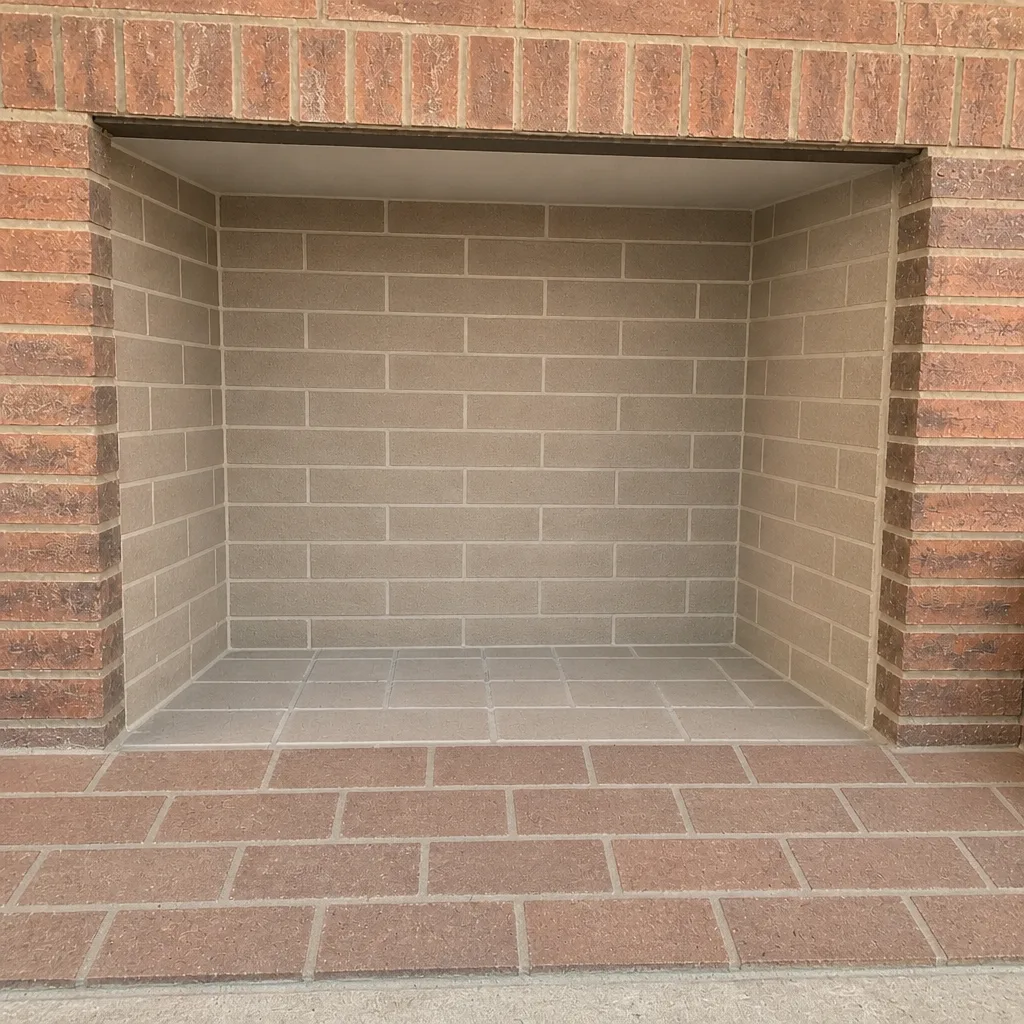
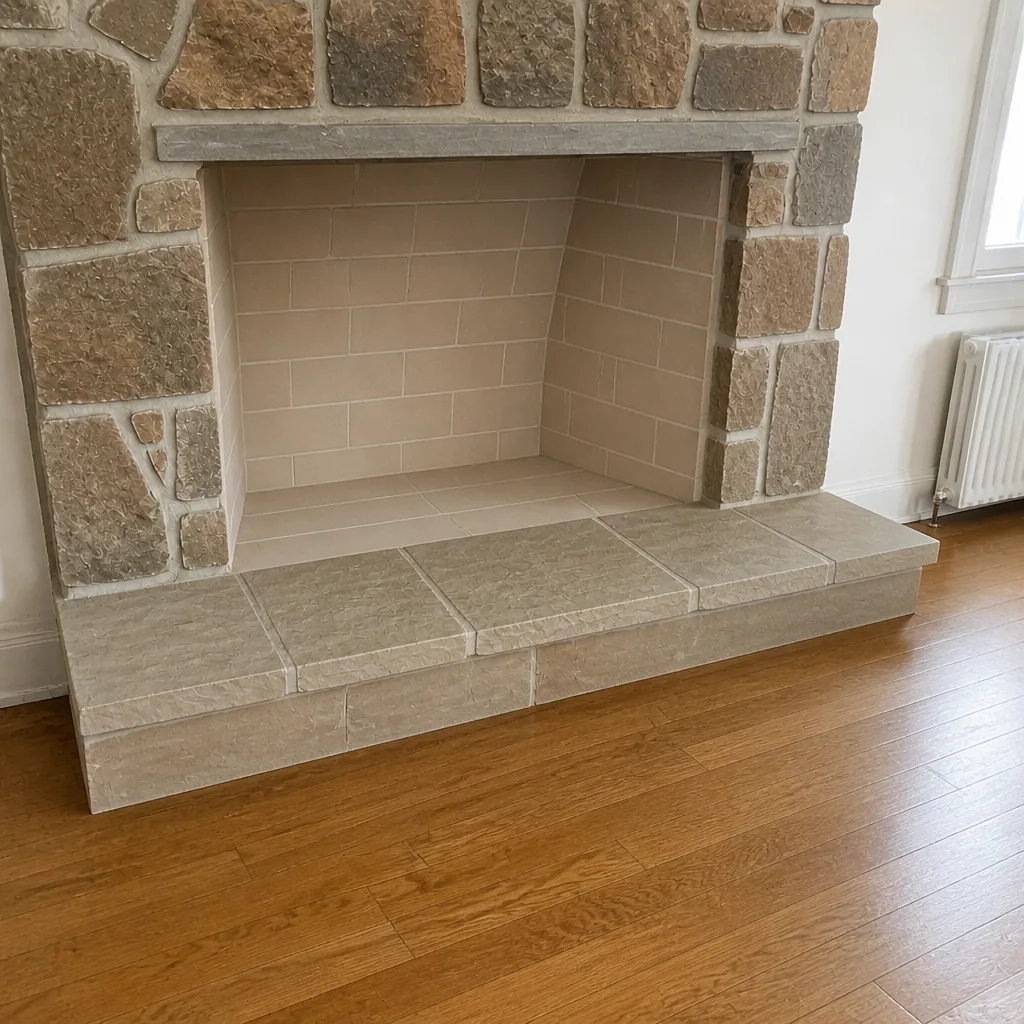
See the difference
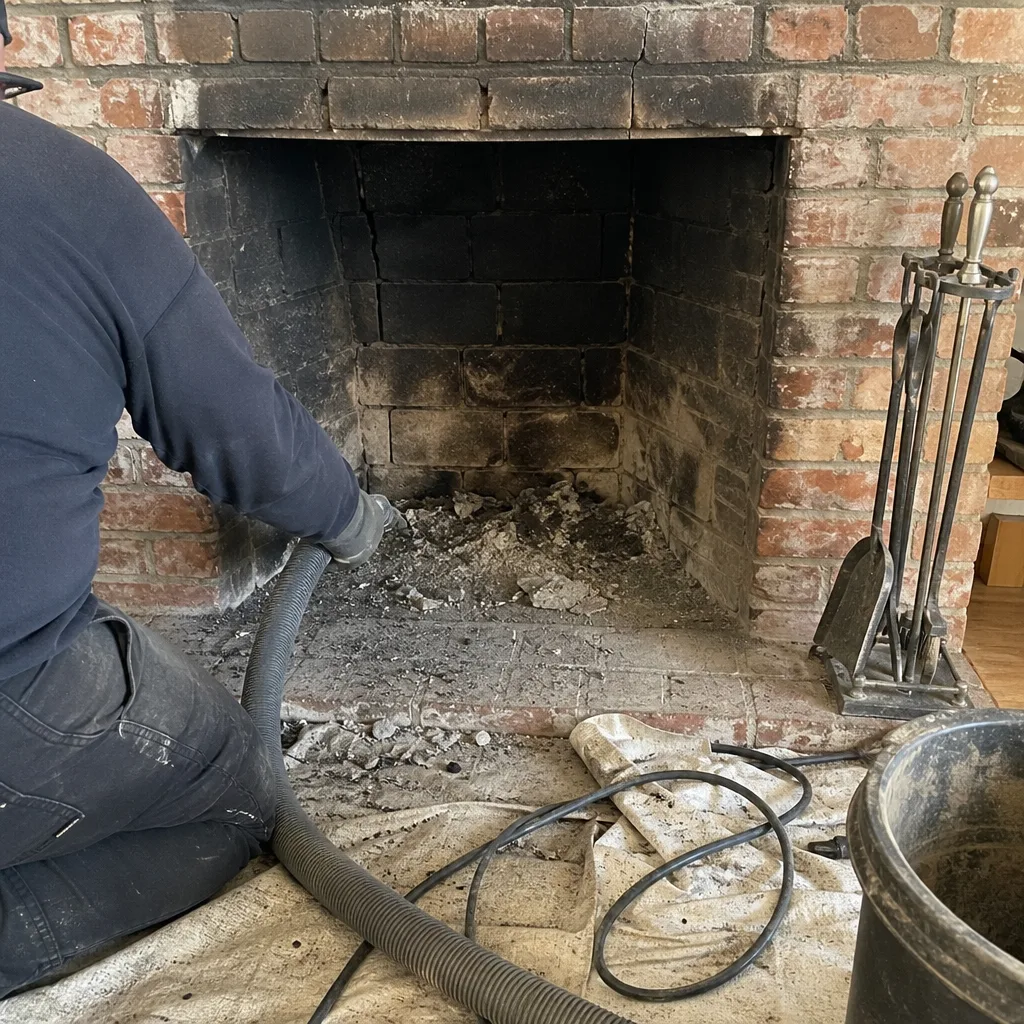 Before
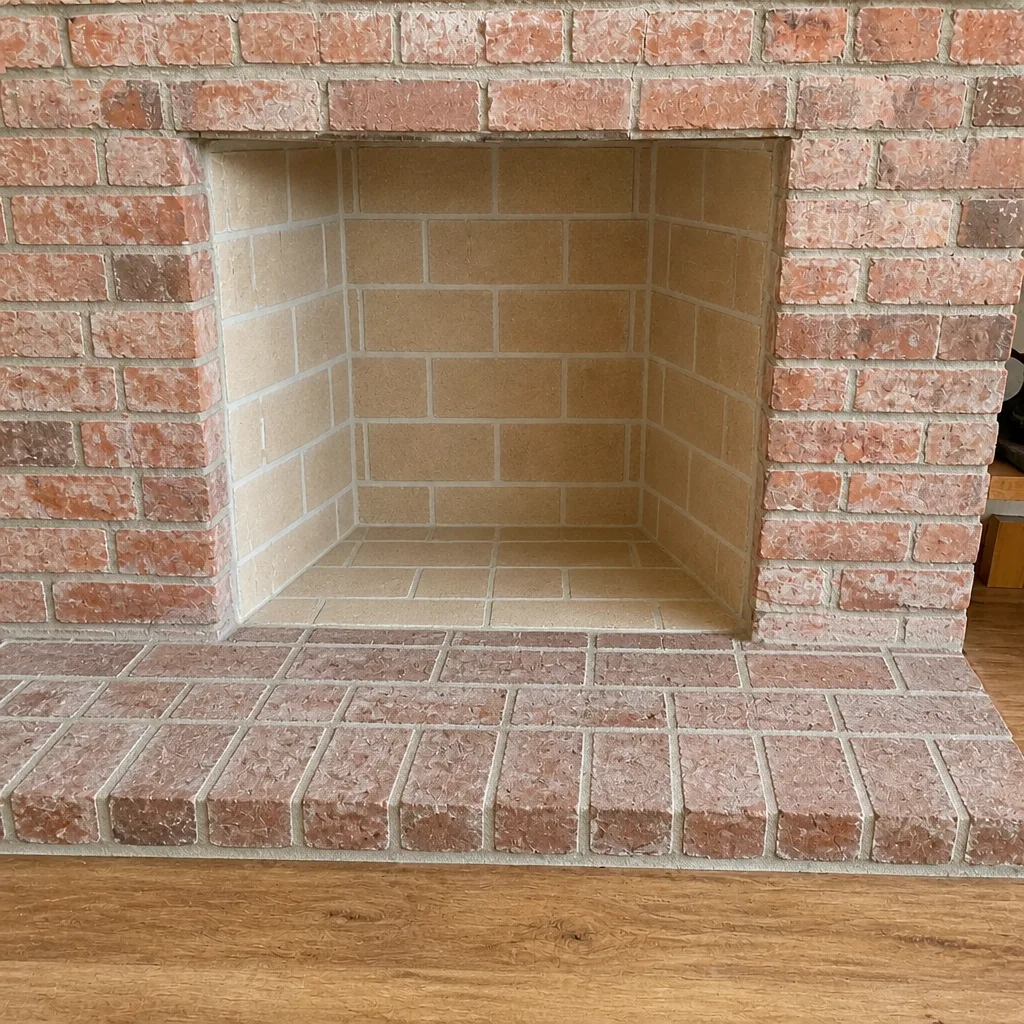 After
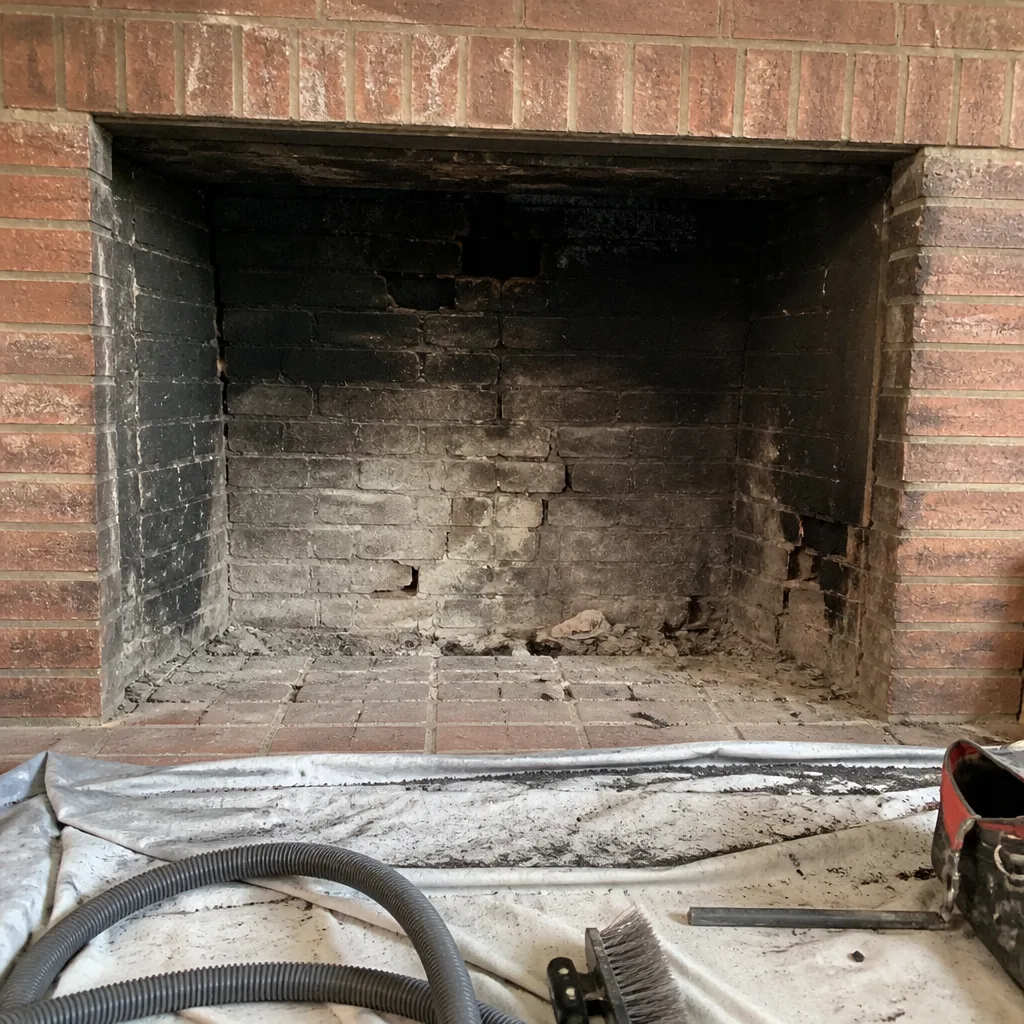 Before
 After
 Before
 After