
Last updated November 25, 2026
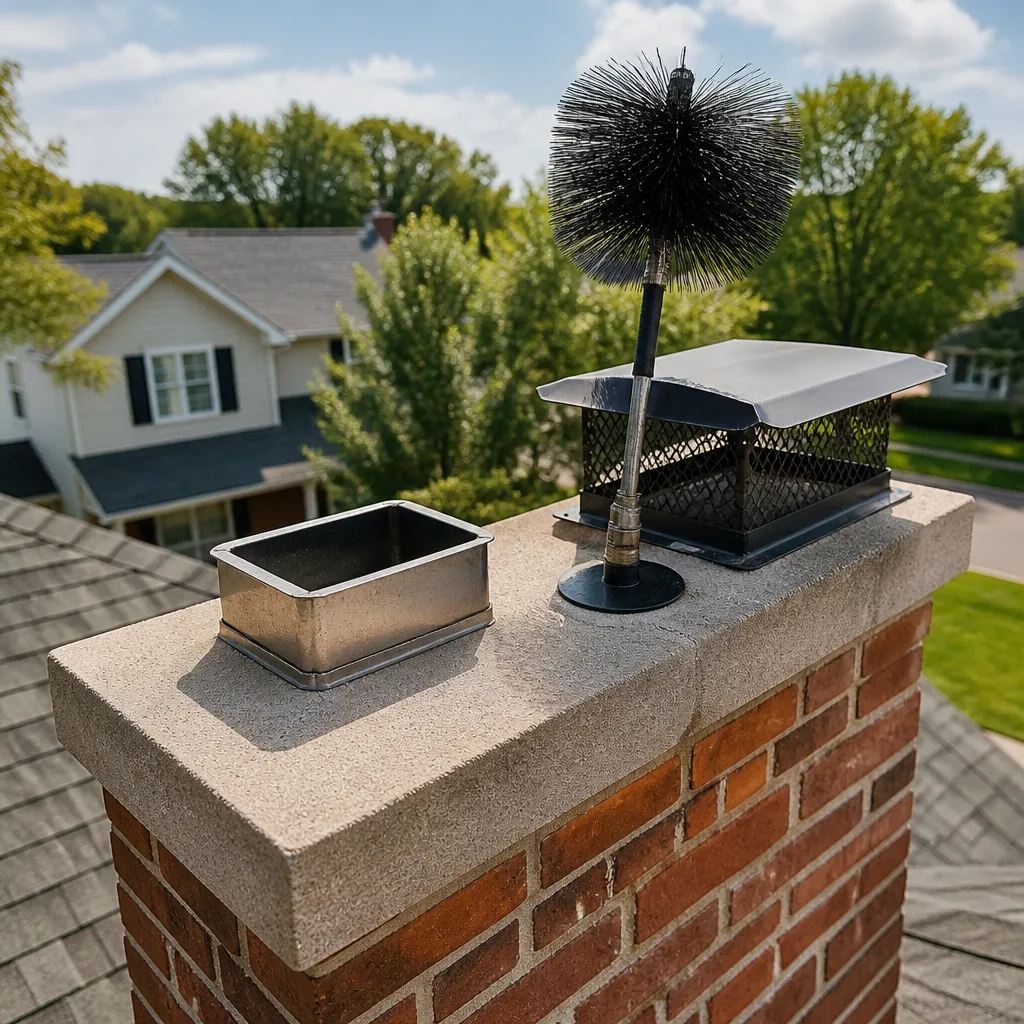 Sweep & inspection
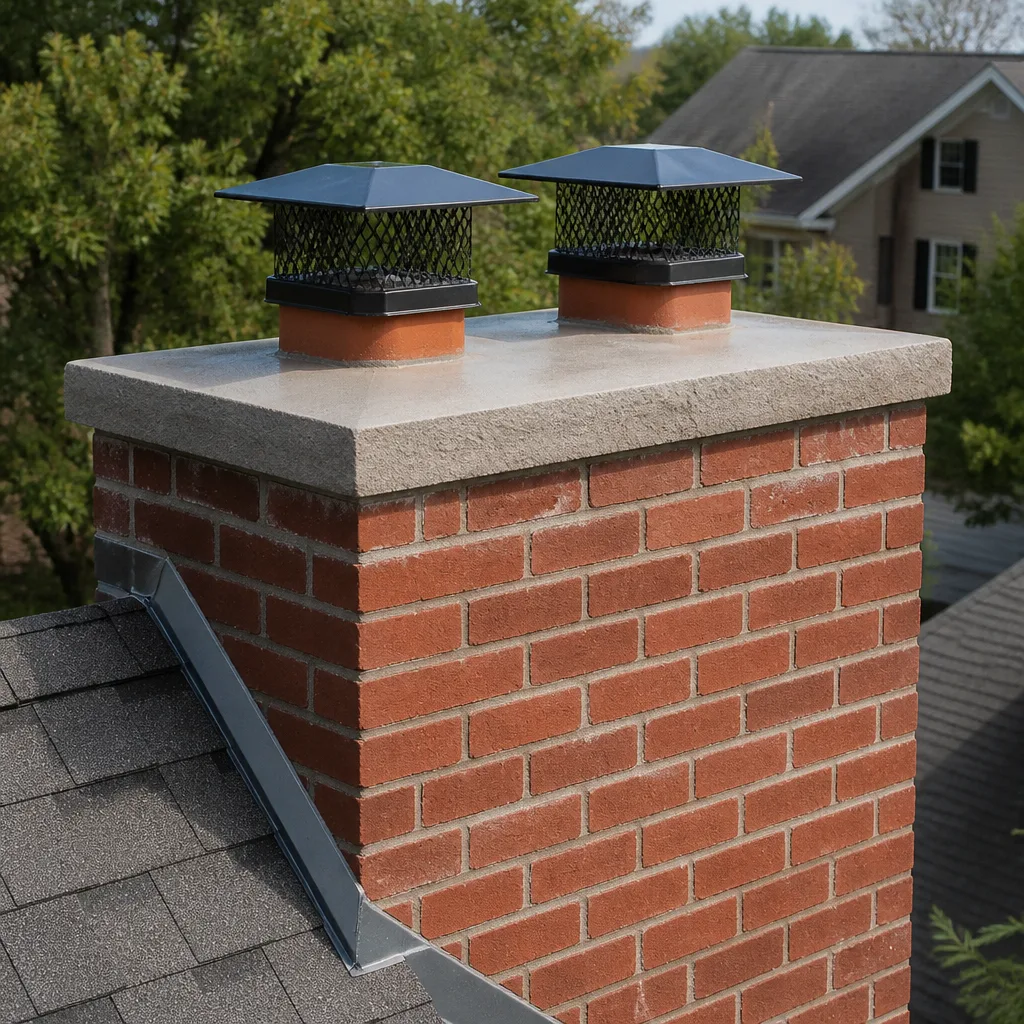 Caps & crowns
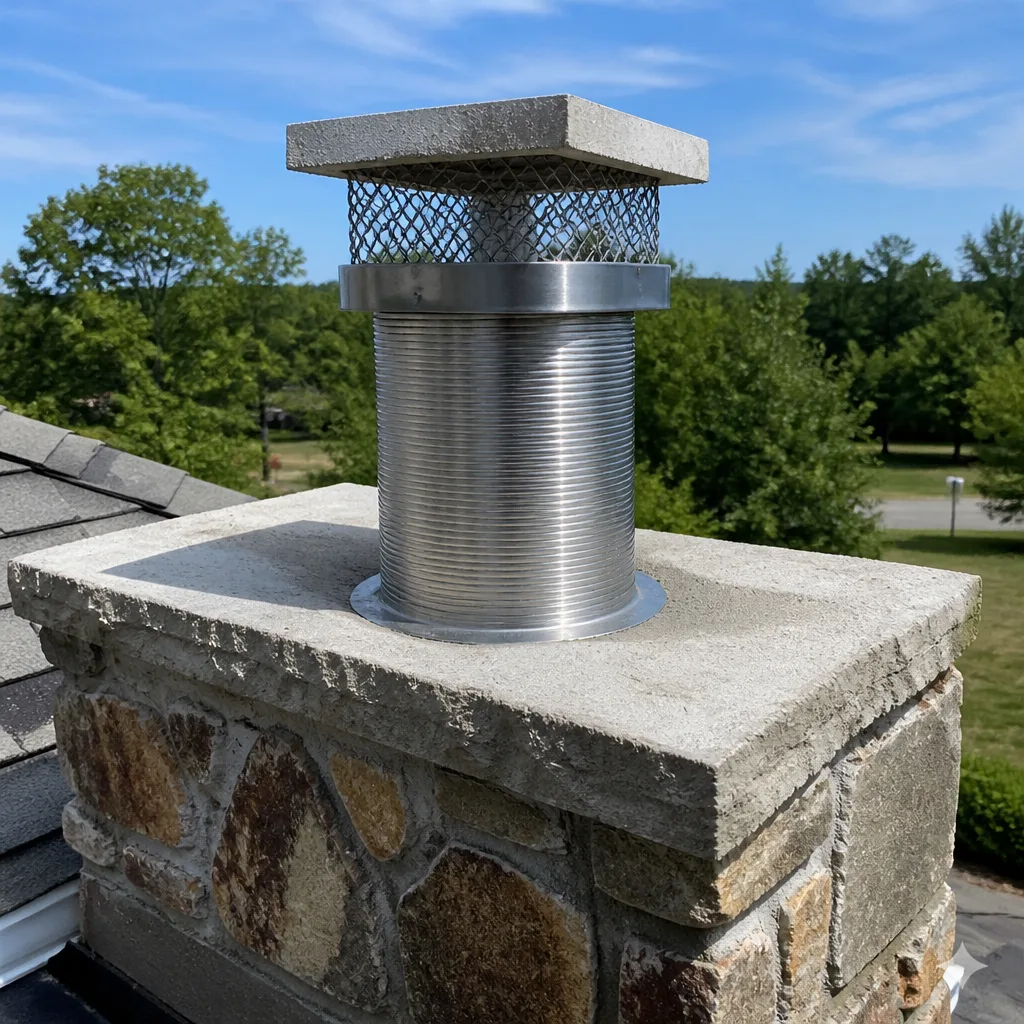 Flue relining
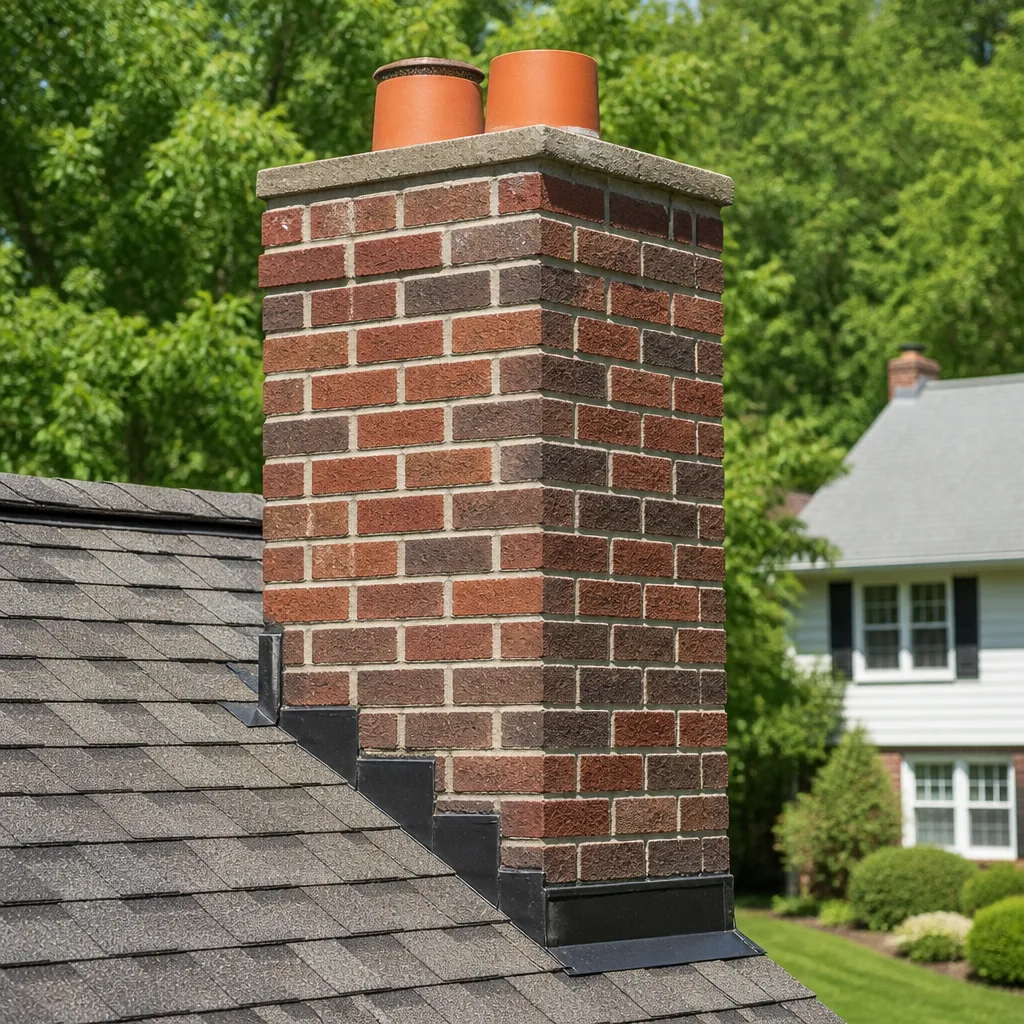 Masonry repair
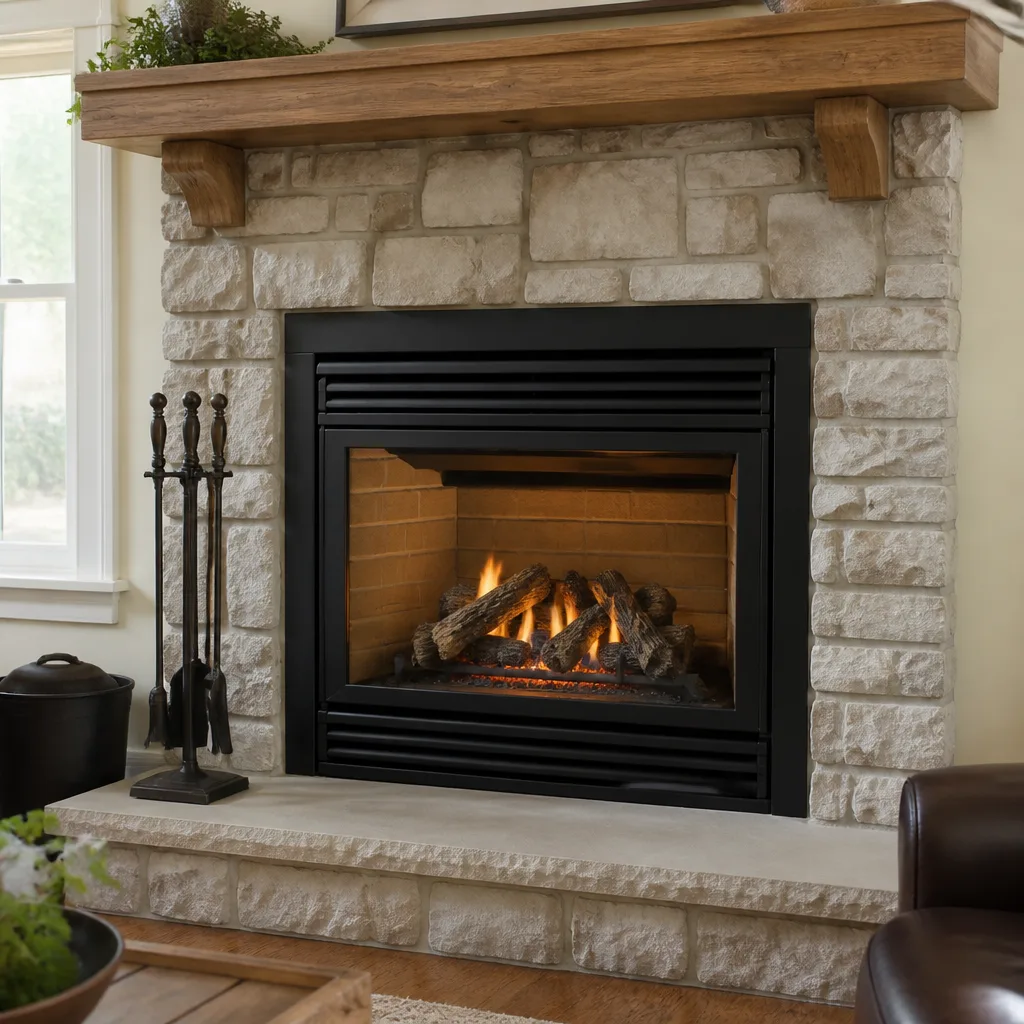 Gas fireplace service
Level 1 sweep and inspection to the NFPA 211 annual standard - flue, crown, cap, and flashing checked and photographed
Chimney sweep logs do not sweep chimneys. They loosen some creosote - which then falls where a brush and vacuum still have to collect it.
Seasonal Chimney Cleaning Care for Sedgefield: Year-Round Homeowner’s Guide
Most Sedgefield homeowners think about their chimney twice a year: once when the first cold snap sends them hunting for firewood, and once when spring arrives and they forget it exists. That gap is where problems start. Late spring is actually the most neglected chimney window in Sedgefield. Burning season has just ended, temperatures are mild enough for mortar work, and scheduling is wide open, yet nearly everyone waits until October and then competes for pre-season appointments. This guide maps the four seasons to the specific chimney tasks that matter here, from post-season cleaning to winter monitoring, so you can plan the work instead of reacting to it.
Quick Answer
Seasonal chimney care in Sedgefield works best as four distinct phases rather than one annual sweep: a post-season cleaning in late spring before summer humidity sets in, a structural check after storm season in summer, a full inspection and any repairs in early fall before the first cold snap, and mid-season monitoring for heavy-burn households through winter. Each phase targets hazards that build during that specific season. Doing them in order prevents the expensive catch-up repairs that come from skipping the spring and summer windows.
Styles & brands we work with
- Sweep & inspection
- Caps & crowns
- Flue relining
- Masonry repair
- Gas fireplace service
Table of Contents
- Why Sedgefield Chimneys Need Seasonal Care, Not Annual Sweeps
- Spring (April – May): Clean Before the Humidity Sets In
- Summer (June – August): Post-Storm Structural Checks
- Fall (September – October): The Pre-Season Inspection Sequence
- Winter (November – March): Mid-Season Monitoring
- How Sedgefield Ice Storms Crack Crowns and Displace Caps
- The Year-Round Care Calendar at a Glance
- Common Mistakes to Avoid
Why Sedgefield Chimneys Need Seasonal Care, Not Annual Sweeps
A chimney in Sedgefield lives through four very different sets of conditions each year, and each one stresses a different part of the structure. A single annual sweep in October catches creosote but misses the water damage that accumulated in July, the crown crack that opened in January, and the cap that came loose in a spring storm. By the time you see interior stains, those small seasonal issues have become structural ones.
Here’s what each season does to a chimney in this part of North Carolina:
- Spring humidity softens mortar and lets creosote bond deeper into porous masonry. Creosote that’s been sitting dry all winter behaves very differently once the air turns muggy.
- Summer storms drive rain against caps, crowns, and flashing. Water entry is the leading cause of chimney deterioration, and it does most of its work quietly.
- Fall temperature swings move masonry in and out, which is exactly when small cracks become visible and when pre-season appointments fill up.
- Winter freeze-thaw cycles and occasional ice events stress crowns and displace caps without leaving obvious evidence.
What we’ve found is that homeowners who schedule each phase in order spend less overall, because every phase catches its problems while they’re still small. The Chimney Sweep Sedgefield approach treats the year as a sequence rather than a single appointment. If you only do one thing this year, do the spring cleaning. If you can do two, add the fall inspection. Everything else is easier once those two are in place.
One more point on context. Fireplaces in Sedgefield get used hard from November through February and then sit idle for months. That usage pattern matters: a chimney that burns hot for four months and then rests for eight accumulates a specific kind of creosote glaze that’s harder to remove later. Cleaning it soon after the burning season keeps that glaze from setting.
Spring (April – May): Clean Before the Humidity Sets In
Late spring is the best window of the year for a chimney sweep in Sedgefield, and almost nobody uses it. The reasoning is simple: the burning season just ended, the flue is full of fresh creosote, and the air is still dry enough that the masonry hasn’t started absorbing moisture. Clean now, and you remove the creosote before summer humidity turns it into something bonded to the flue walls.
Why timing matters so much here:
- Creosote is easier to remove when fresh. It hasn’t hardened into glaze, so the sweep is faster and less abrasive on the flue.
- Dry masonry absorbs less. A flue cleaned in April and left dry over summer resists moisture penetration far better than one that sat full of creosote through August.
- Mild temperatures allow mortar work. If the sweep turns up a crown crack or a failing mortar joint, you can have it repaired now rather than racing the first cold snap.
- Scheduling is wide open. April and May bookings are easy. October bookings are not.
What a proper spring cleaning involves:
- Inspection of the firebox, damper, smoke chamber, and flue before any brushing begins.
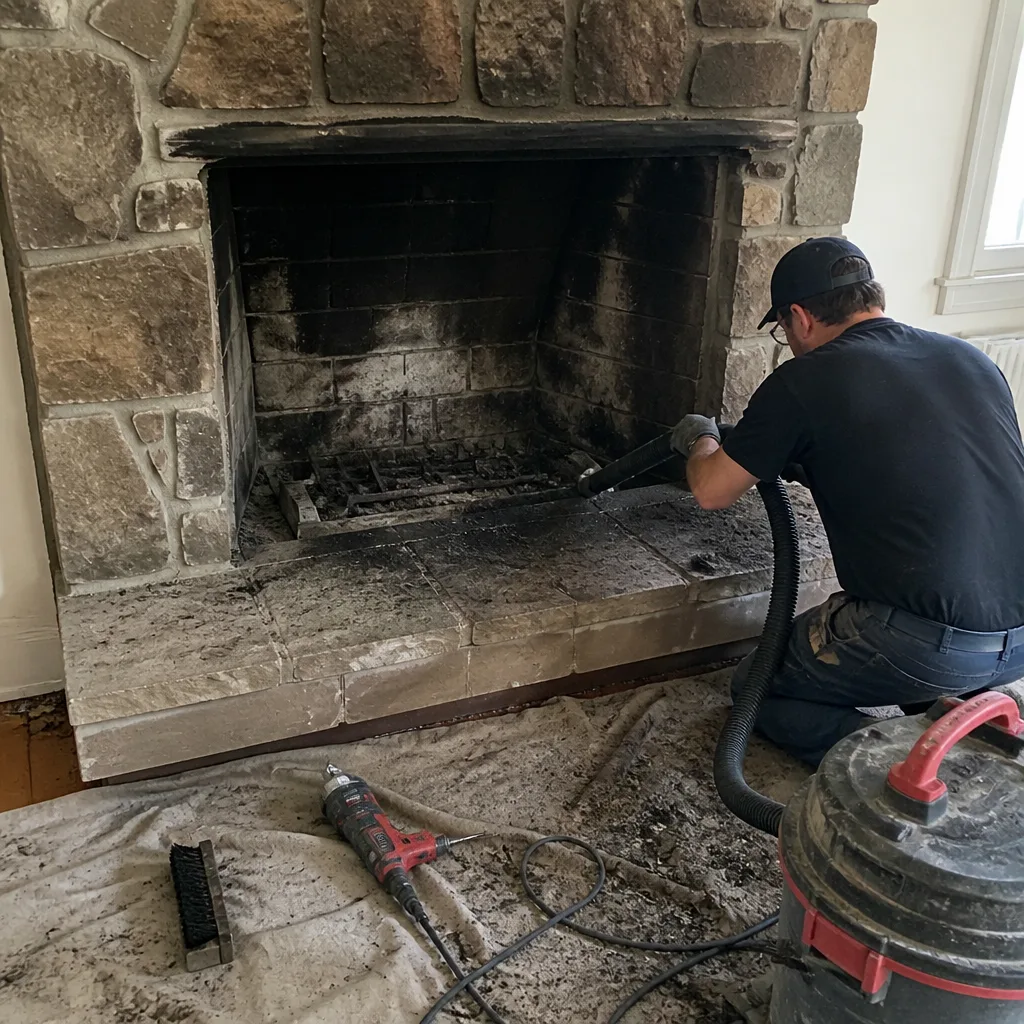
- Protective drop cloths and negative-air equipment so no soot enters the living space.
- Brushing of the flue with the correct brush type for the flue’s material.
- Removal of ash and debris from the firebox and smoke shelf.
- A camera inspection with photos you see before the sweep leaves.
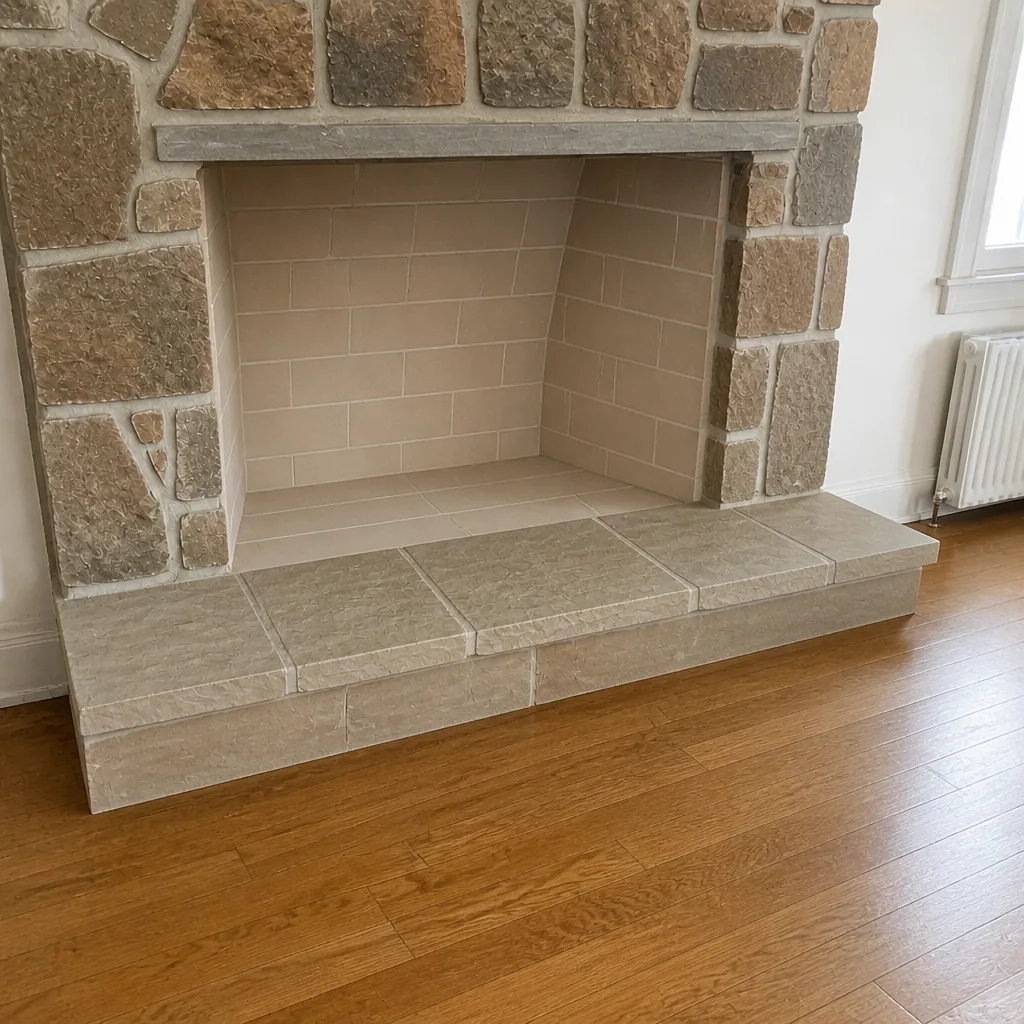
We do the camera inspection because it answers the question every homeowner has: how do I know the liner is actually sound? Photos of your own flue settle that. If the clay tiles show damage, that’s the moment to talk about options, and HeatShield ceramic resurfacing often handles a damaged flue without pulling the whole liner. That matters most in spring, when you have time to think through the choice before fall.
One thing we don’t recommend in spring: lighting the fireplace “just to test it” after the sweep. You’ve just cleaned the flue, and a small fire adds a light film back to it. Leave it until fall.
Summer (June – August): Post-Storm Structural Checks
Summer in Sedgefield is the season when water does its quiet damage. Storm season sends heavy rain and wind against the exterior of the chimney, and the two most vulnerable points are the cap and the crown. A chimney cap that’s been dislodged lets rain straight down the flue. A crown with a hairline crack lets water into the masonry itself, where it freezes in winter and cracks the structure from the inside.
Here’s what a summer check looks like from the ground up:
- Cap integrity. Is the cap still seated, level, and attached? Any gap where wind can get under it?
- Crown surface. Hairline cracks in the concrete crown are the earliest sign of water entry.
- Flashing. The metal seal between chimney and roof is where most leaks start. Look for lifted edges, rust, or gaps.
- Masonry joints. Crumbling mortar at the top courses, especially on the windward side.
- Interior signs. Water stains on the ceiling near the chimney, dampness in the attic, or a musty smell on humid days.
If you see any of these, it’s worth having chimney cap & crown work evaluated now rather than waiting. Cap and crown service is one of the most specific things we do, because those two points account for the majority of water intrusion we see in Sedgefield homes. Fixing a loose cap in July is a straightforward job. Replacing rotted framing around a leak in November is not.
Storm checklist for homeowners:
- After any major storm, look at the chimney from the ground with binoculars.
- Check for missing caps, obvious new cracks, or pieces of masonry in the yard.
- Look inside the firebox for dampness or staining on the smoke chamber.
- If you’ve had interior water stains appear, call for an inspection before the next rain event.
In our experience, most summer calls come from homeowners who notice a stain and assume the worst. Usually the fix is a cap or a crown reseal, not a rebuild. A camera inspection tells you which, and the photo report lets you see the difference yourself.
Fall (September – October): The Pre-Season Inspection Sequence
Fall is the season everyone remembers, and it’s also the season with the tightest scheduling. The first genuinely cold night in Sedgefield triggers a surge of calls, and every sweep in the area is booked for weeks. If you want your chimney ready before you actually need it, book the inspection in September, not October.
The pre-season inspection is a specific sequence, not just a look up the flue:
- Exterior check. Cap, crown, flashing, and masonry joints assessed from the roof.
- Firebox and damper. Damper operation, firebox cracks, and grate condition.
- Smoke chamber. The most overlooked part of the system, where smoke slows and creosote collects.
- Flue inspection. Camera view of the full liner, checking for cracks, gaps, and glaze.
- Draft test. Confirming the chimney will actually pull smoke out before you light the first fire.
- Report and estimate. A written summary with photos and, if any work is needed, a flat-price estimate agreed before you book.
Why September matters for repair lead times: if the inspection turns up a needed reline, a crown rebuild, or fireplace repair, you want those weeks in hand before burning season. A DuraFlex flexible stainless-steel liner installed in September is a settled job by October. The same liner ordered in early November may not be installed before the first hard freeze.
Another fall issue worth naming: draft problems. As the outside temperature drops and the house warms up, the pressure dynamics inside a chimney change. A chimney that drew fine in spring can smoke in the fall, and the cause is often a smoke chamber that needs smoothing or a flue that’s slightly oversized for the firebox. We check for this specifically in fall because a smoking fireplace is one of the most common complaints we hear once burning starts, and it’s much easier to fix before you’ve furnished the firebox with a fire.
Fall is also the moment to confirm that your liner choice is right for the long term. We install DuraFlex stainless-steel liner systems as permanent relining, not as a patch that needs revisiting. If your fall inspection suggests relining, ask for the option sheet, not just the first quote.
Winter (November – March): Mid-Season Monitoring
Once burning season starts in Sedgefield, most chimneys run fine through the cold months. The exception is heavy-burn households: homes that light a fire most days, or that run the fireplace for hours each evening. Those chimneys accumulate creosote faster than the once-a-year schedule accounts for, and a mid-winter brushing can be the difference between a safe season and a chimney fire.
Signs that a mid-season brushing is worth considering:
- Heavy daily use. If you’re burning most evenings from November through February, the creosote load builds quickly.
- Visible creosote. A flashlight look up the flue from the firebox showing a thick, glossy layer is a sign to stop burning until it’s cleaned.
- Smoke rollout. Smoke coming into the room rather than up the flue can indicate a partial blockage.
- Strong smell in the off-hours. A smoky smell when the fire is out, especially on damp days, often means the flue needs attention.
- Wood quality issues. If you’ve been burning unseasoned wood, the creosote will be worse than usual.
What we don’t recommend in winter: burning through a visible glaze layer because the season is “almost over.” That’s the exact condition that causes the chimney fires that lead to full rebuilds. Stopping for a mid-season cleaning is a day’s interruption. A chimney fire is a season-ending event, and it can also vent carbon monoxide back into the home.
Here is where the safety framing matters, and we’re specific about it. Chimney fires happen when creosote in the flue ignites. Carbon monoxide risk happens when the flue is obstructed or the draft fails, so combustion gases enter the living space instead of going up the chimney. Both are preventable, and both are tied to the state of the flue. If your carbon monoxide detector goes off during burning season, leave the house and call the fire department before calling anyone else. Do not relight the fireplace until the chimney has been inspected.
One winter habit worth building: a quick visual check of the firebox and a sniff at the chimney each week. Small early warnings beat a mid-season emergency repair.
How Sedgefield Ice Storms Crack Crowns and Displace Caps
Sedgefield’s occasional ice storms are easy to underestimate. They’re usually not severe enough to knock down trees or close roads, so homeowners don’t think of them as chimney events. But ice loading does two specific things to a chimney, and both are silent.
First, ice forms on the crown, the concrete top surface around the flue opening. When that ice expands and then melts, it opens hairline cracks in the crown. Water then seeps below the crown surface, freezes again, and lifts the masonry. A crown that looked fine in October can be cracked by February and pulling water into the flue by spring.
Second, wind-driven ice and sleet can lift or displace a chimney cap. A cap that gets nudged off its seating will let rain straight into the flue. It won’t always fall off the roof; it will just sit at a slight angle, which is enough to let water in.
What to check after an ice event:
- Look at the cap. Is it level? Does it sit squarely on the flue opening?
- Look at the crown from the ground with binoculars. Are there new dark lines that weren’t there before?
- Check the attic for any dampness or new staining near the chimney.
- Listen for water inside the firebox during the next rain after the thaw.
The takeaway from ice season is simple: schedule the annual inspection in fall, before ice arrives, and you’ll have a baseline. If something changes after an ice event, you’ll know because you have the photos from before. If the crown is already cracked and needs work, HeatShield or a full crown rebuild are both viable paths depending on the extent. A camera inspection tells you which one, and you should see the evidence before you accept either.
The Year-Round Care Calendar at a Glance
Here is the sequence in one place. Every phase is worth doing; the two that matter most are the spring cleaning and the fall inspection.
- April – May: Post-season cleaning. Remove creosote before humidity bonds it to the flue. Schedule any mortar or crown work that showed up in the winter.
- June – August: Post-storm structural check. Confirm the cap is seated, the crown is sound, and the flashing is intact. Watch for interior water signs.
- September – October: Pre-season inspection and repair. Full inspection sequence, draft test, and any relining or repair with lead time before the cold snap.
- November – March: Mid-season monitoring. Weekly visual checks, and a mid-winter brushing for heavy-burn households if usage justifies it.
- After any ice event: Cap and crown check from the ground, plus an interior dampness check.
If you’re starting from zero and don’t know when the chimney was last cleaned, do the cleaning and inspection first, then follow the calendar. Our technicians have up to 9 years of experience working Sedgefield chimneys, and they’ve seen every version of “I’m pretty sure it was cleaned recently.” A camera inspection removes the guessing.
Two parts of the calendar you can book as standalone work: the chimney cap & crown checks after storms and ice events, and the fireplace repairs that turn up in the fall. You don’t need a full sweep to fix a loose cap. You do need someone who knows whether the cap needs reseating or replacing.
Common Mistakes to Avoid
- Waiting until October. Every homeowner in Sedgefield who waits until the first cold night calls in the same week. The best appointments are in April and September, and scheduling early is the single easiest way to protect your chimney.
- Skipping the summer check because the chimney “seems fine.” Water intrusion doesn’t show up as a smell or a draft issue in summer; it shows up as a ceiling stain in fall. A ground-level look at the cap and crown after a storm catches problems while they’re still small.
- Hiring the lowest bid without a camera inspection. A sweep that brushes the flue without showing you the liner is doing half the job. Ask for the camera footage and a photo report before you agree to any repair.
- Burning through visible glaze. If the flue shows a thick, glossy layer of creosote, stop using the fireplace until it’s cleaned. That layer is what ignites in a chimney fire.
- Assuming a 90-day crown is fine in Sedgefield’s freeze-thaw. Ice events crack crowns that look sound. Check the crown after every ice storm, not only in fall.
- Letting one contractor sweep and another repair. When the sweep and the mason are different companies, the finger-pointing starts the moment something fails. One crew, start to finish, is worth more than a lower bid.
- Treating a smoky fireplace as a normal thing. Smoke rolling into the room usually means a draft problem or a partial obstruction. It’s fixable; it doesn’t need to be lived with.
See the difference
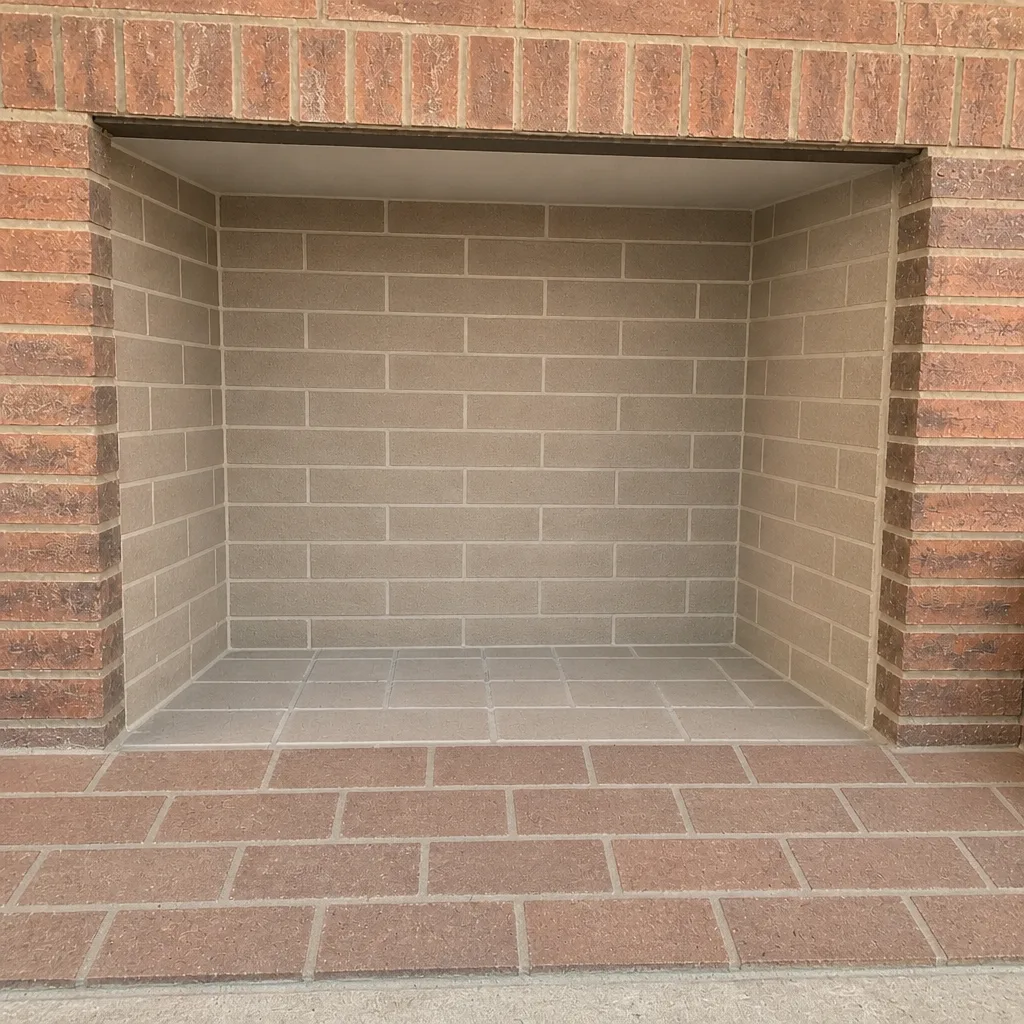
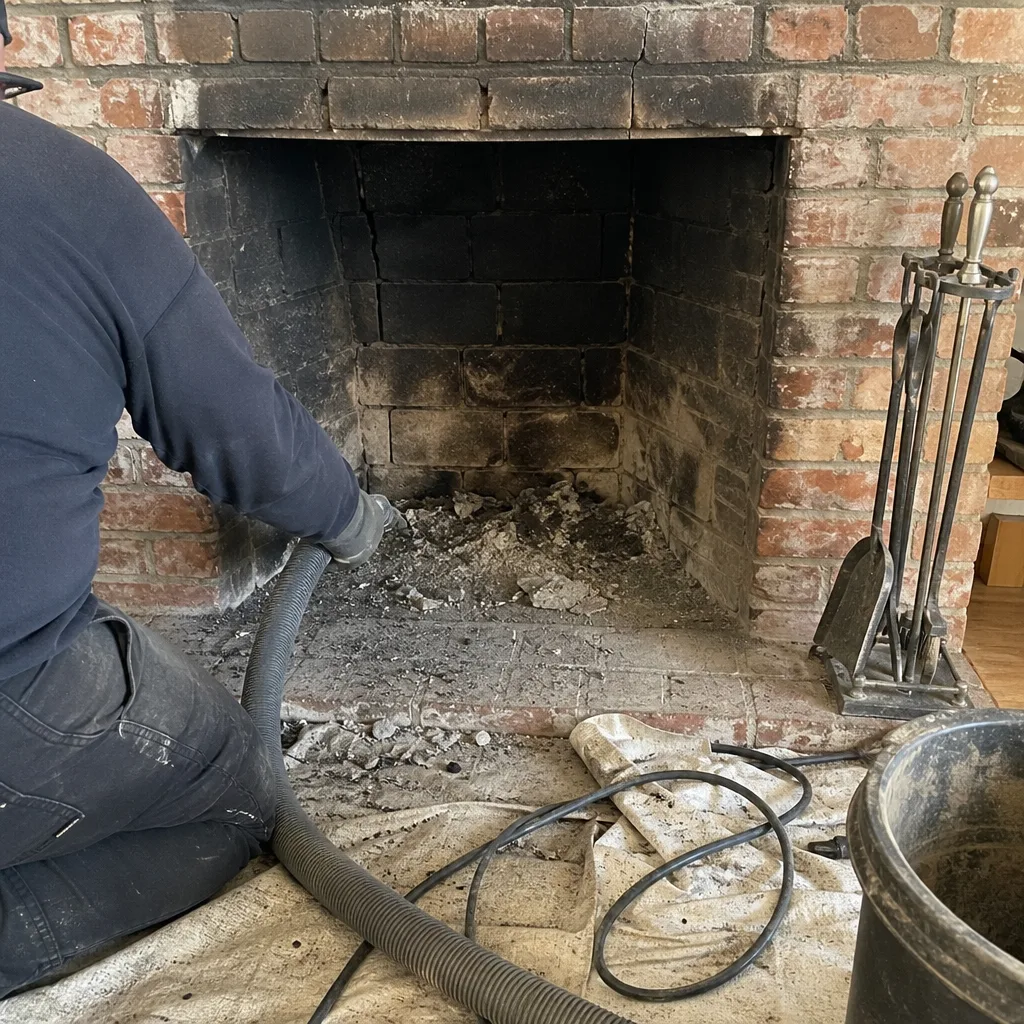 Before
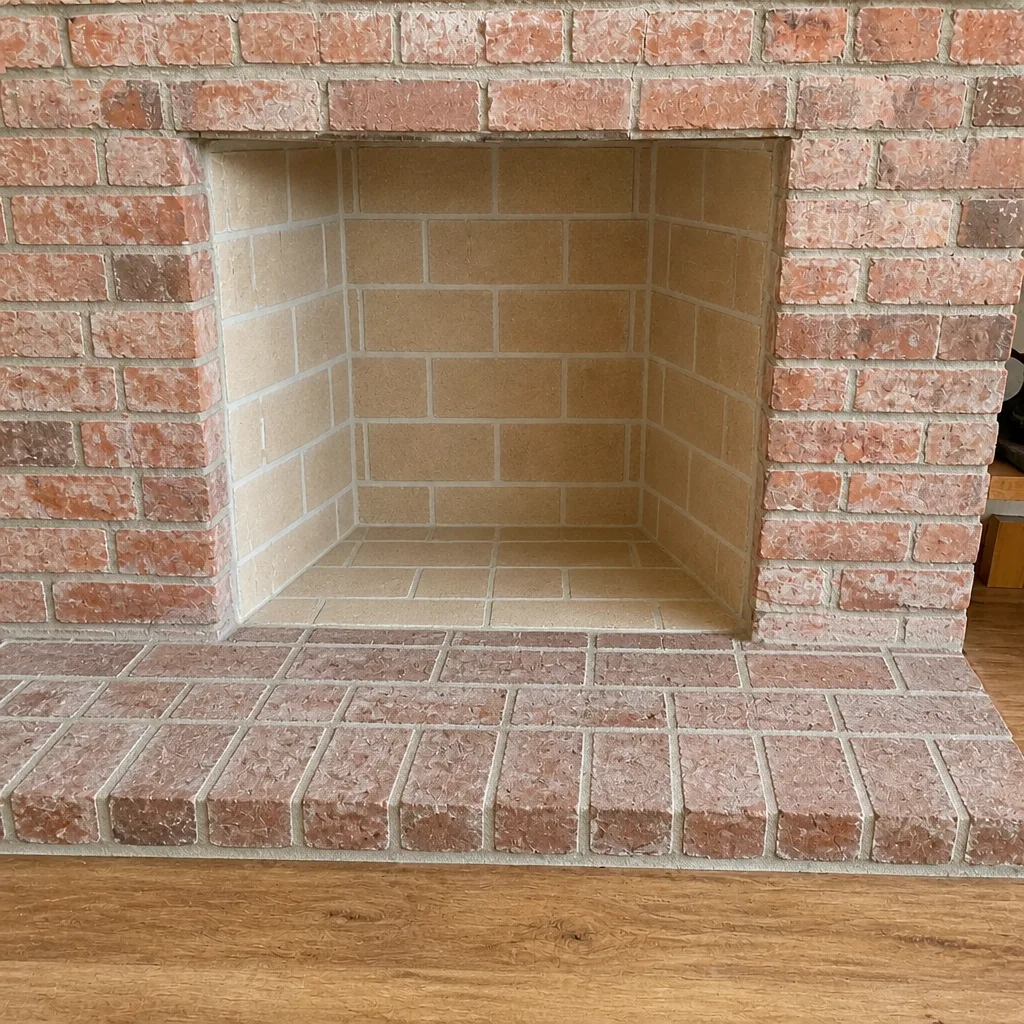 After
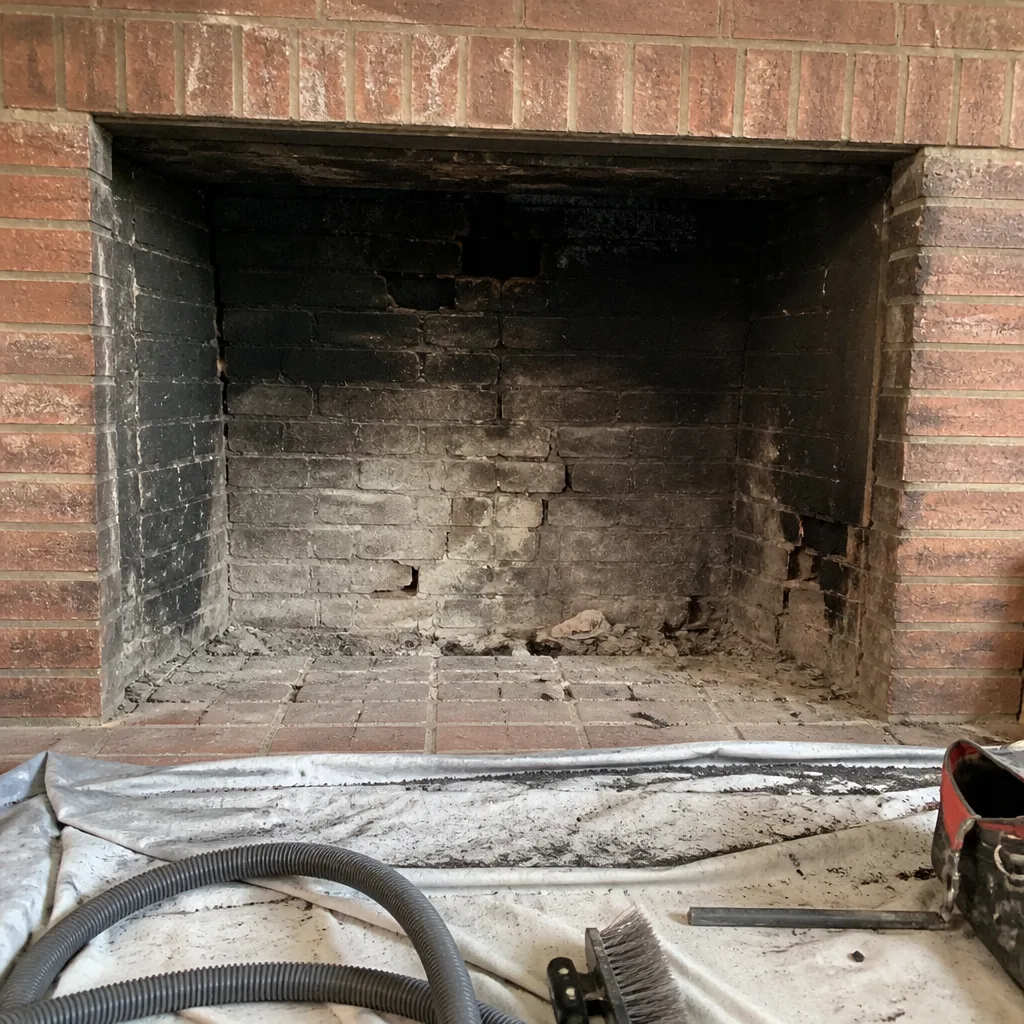 Before
 After
 Before
 After
When to Call a Professional
Call for a sweep and inspection if you’ve burned through a season without cleaning, if the chimney hasn’t been inspected since you bought the home, or if you see any of the seasonal warning signs above. Call sooner if you see water stains on the ceiling, smell smoke on non-burning days, notice a loose cap after a storm, or have a carbon monoxide alarm go off during burning. Call before relighting if you’ve had a chimney fire, even a small one. Sooty buildup and a strong draft pull are not signs of a clean flue; they’re signs of one that needs attention. DIY brushing is a bad idea on a real flue, and camera inspection of a liner isn’t something you can do safely from the firebox. Chimney Sweep Sedgefield offers free estimates in Sedgefield. Call (855) 726-7779. We answer 24/7. Fast dispatch from 7am to 7pm, Sunday through Friday.
Frequently Asked Questions
Most sweeps in Sedgefield run in the low-to-mid hundreds of dollars, and a full inspection with camera and photo report is quoted separately or bundled depending on what’s needed. Creosote level, flue accessibility, and whether it’s a first cleaning in years all affect the estimate. The written estimate sets the final price, and it’s agreed before you book. Call (855) 726-7779 for an exact quote. Estimates are free.
The rule most professionals use is once a year for a regularly used fireplace, and more often for heavy-burn households. In Sedgefield, the practical pattern is one post-season cleaning in spring and one pre-season inspection in fall, with an extra brushing mid-winter if you’re burning most evenings. A camera inspection tells you if the creosote level is ahead of schedule. Call (855) 726-7779 to book a cleaning.
In many cases a damaged clay flue can be resurfaced rather than replaced, which is where HeatShield comes in. It rebuilds the flue’s inside surface without pulling the whole liner. If the damage is more extensive, a DuraFlex flexible stainless-steel liner is a permanent reline rather than a patch. The choice depends on the camera inspection, and you should see the photos before you decide. Call (855) 726-7779 for a free estimate and a look at your options.
Skipping spring means creosote sits through humid months and bonds deeper into the masonry, making the next sweep harder and more expensive. Skipping summer means a loose cap or cracked crown lets water in for months before you notice an interior stain. Skipping fall means you’re calling on the first cold night and waiting behind everyone else. In Sedgefield, the skipped seasons are what we see most often, and they’re also the most expensive. Call (855) 726-7779 to get back on schedule.
Yes, and they’re easy to miss because the damage isn’t obvious from the ground. Ice forms on the crown, expands into the hairline cracks, and lifts the masonry on thaw. Caps get nudged off seating by wind-driven ice. Both are silent until water shows up inside. A ground-level check after each ice event plus the fall inspection catches the problem before it goes interior. Call (855) 726-7779 if you’re not sure what you’re looking at.
Yes. Every inspection includes a camera view and a photo report you keep. If the sweep finds a liner issue, a crown crack, or a fireplace repair, you’ll see the evidence before we recommend anything. When work can safely wait, we say so. The flat-price estimate is agreed before you book. Call (855) 726-7779 for a free estimate.
The Bottom Line
Seasonal chimney care in Sedgefield comes down to four phases, done in order: clean in late spring before humidity sets in, check the exterior after storm season, do the full inspection and any repairs in early fall, and monitor closely through winter if you burn hard. The two appointments that matter most are the spring cleaning and the fall inspection, and neither should wait for October. Fire safety, carbon monoxide, and water intrusion all track back to the state of the flue and the crown, so catching each one at its seasonal peak saves the most money and the most risk. Work with a specialist across all four seasons.
Ready to schedule yours? Call (855) 726-7779 for a free estimate. We answer 24/7. Fast dispatch from 7am to 7pm, Sunday through Friday. Flat-price estimates are agreed before booking, and every inspection includes a camera view and photo report you keep.
Written by the team at Chimney Sweep Sedgefield.